Amiens is located in northern France, around an hour and a half from Paris by car. The city is best known for its enormous Gothic cathedral, but there is much more to discover. Wander along the canals and colourful houses of Saint-Leu, take a boat through the gardens of the Hortillonnages, visit the house where Jules Verne lived for many years and discover street art in unexpected places. Many of Amiens’ main attractions are within walking distance of each other. From the city centre, you can easily explore Saint-Leu before continuing to Parc Saint-Pierre and the Hortillonnages. Two days will give you enough time to see the main sights. If you also want to visit museums and spend more time exploring the Hortillonnages, an extra day is well worth considering. Join me as I explore Amiens and share the places worth visiting during a city break.
Read this article in DutchAdmire Amiens Cathedral
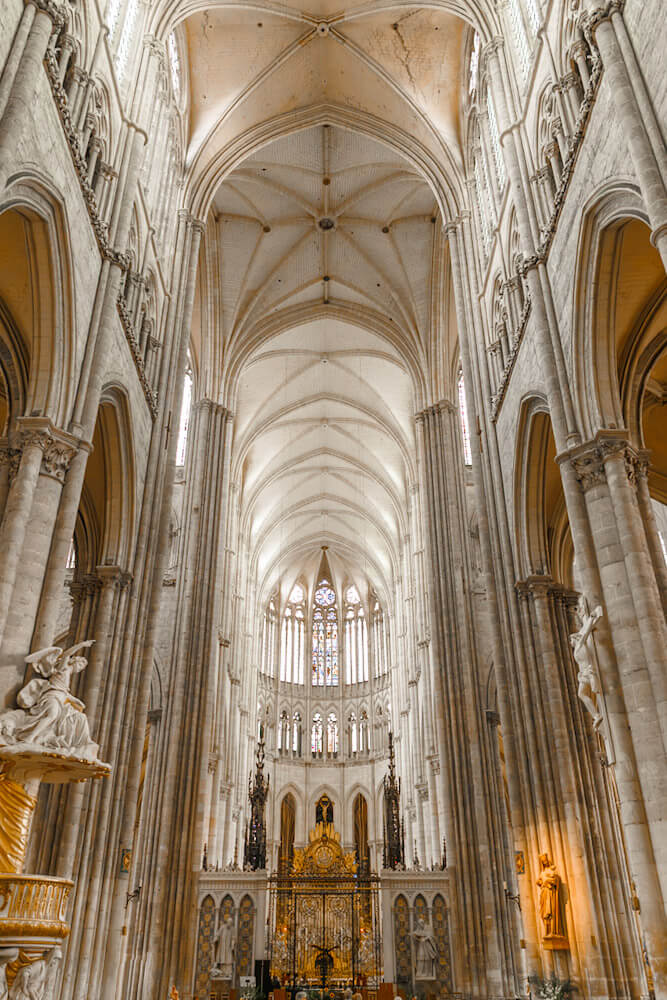
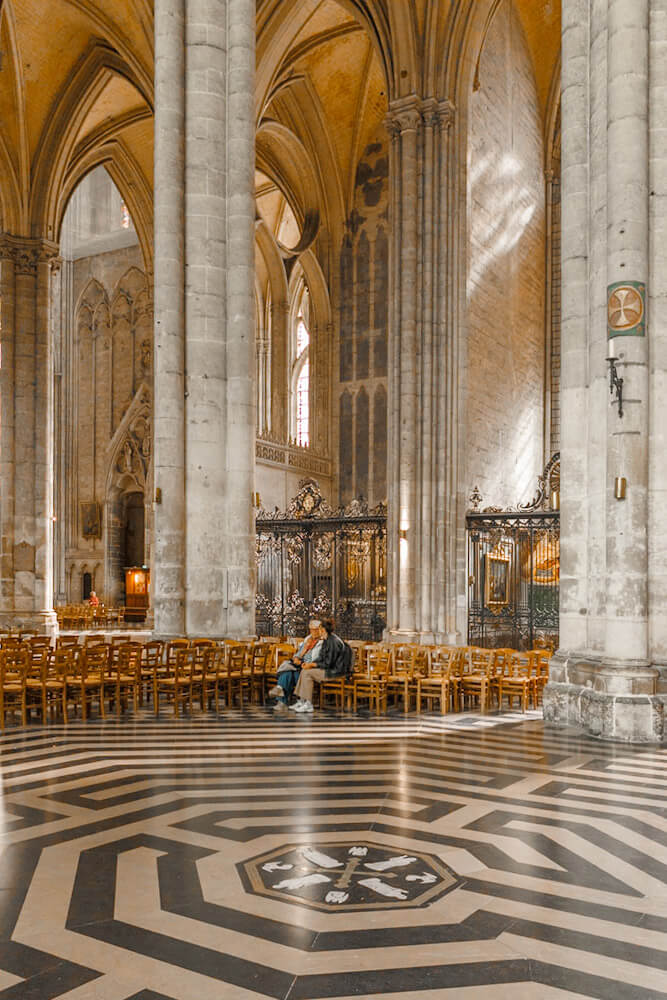
Right in the heart of the city stands Amiens’ most famous landmark, Cathédrale Notre-Dame d’Amiens. Even if you have already visited several French cathedrals, this is one that will probably make you stop and look for a while. Not only because of its richly decorated façade but also because of its enormous size. Built in the 13th century, Notre-Dame d’Amiens has been a UNESCO World Heritage Site since 1981. By interior volume, it is the largest Gothic cathedral in France. You really notice its scale when you step inside. The central nave rises more than 42 metres above the floor and the tall windows allow a surprising amount of natural light to enter. Take your time to explore the interior.
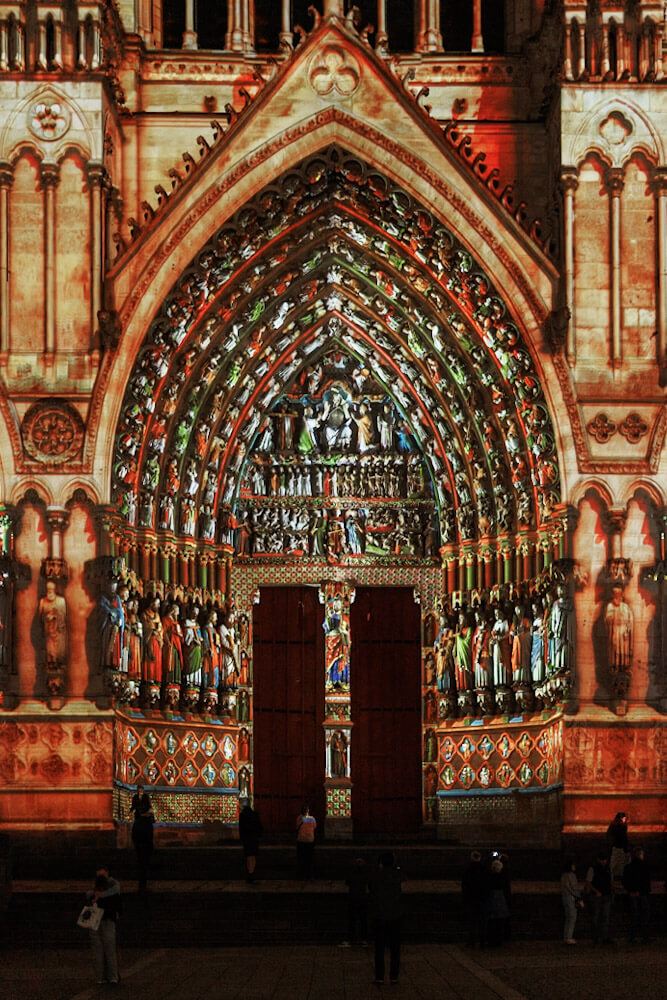
One of the cathedral’s best known sculptures is the Ange Pleureur, or Weeping Angel. The sculpture became particularly famous during the First World War, when many soldiers sent postcards featuring the angel back home. Another remarkable object is a relic traditionally believed to belong to John the Baptist. The fragment of a skull was brought to Amiens from Constantinople in 1206 and has remained in the cathedral ever since. Outside, pay particular attention to the western façade. Hundreds of sculptures and figures surround its three great portals and even the enormous doors are beautifully decorated. The façade is impressive from a distance, but it is only when you get closer that you begin to appreciate the amount of detail.
Watch the Chroma light show
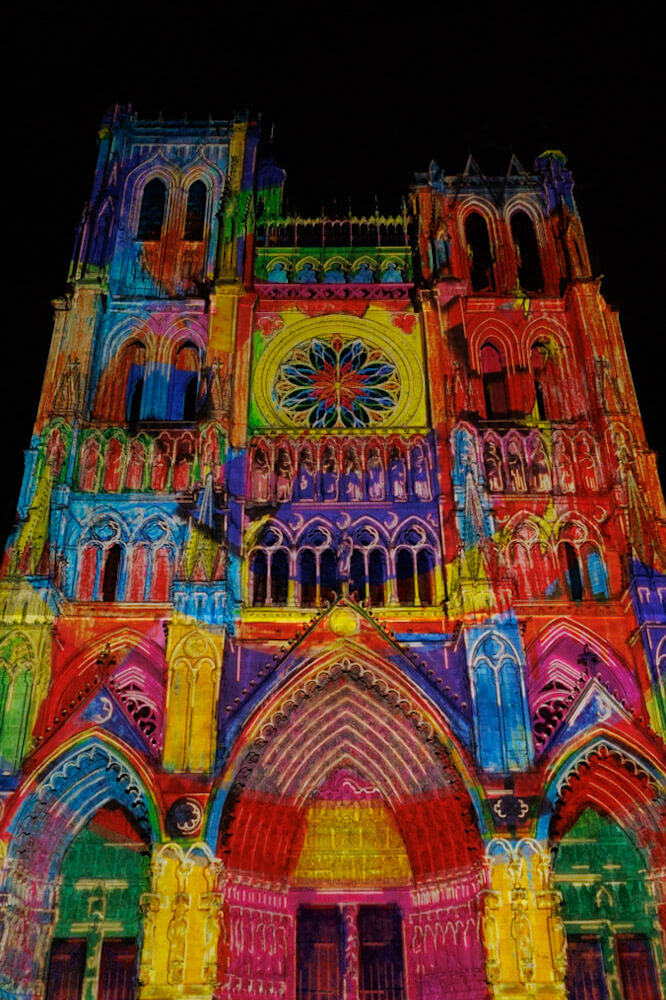
Chroma is a spectacular light show that transforms the western façade of Amiens Cathedral after sunset. The entire front of the building becomes a projection surface, with images carefully mapped onto its architecture. Columns, arches and sculptures are covered in colours, patterns and animations, revealing details you might not even have noticed during the day.
One particularly interesting part of Chroma refers to the original colours of the sculptures on the façade. Medieval cathedrals were once far more colourful than the pale stone buildings we recognise today. During the show, you get an impression of how parts of the cathedral may have looked centuries ago.
Chroma is free to watch, although performances do not take place throughout the year. Check the current dates and starting times before your visit.
Wander through Saint-Leu
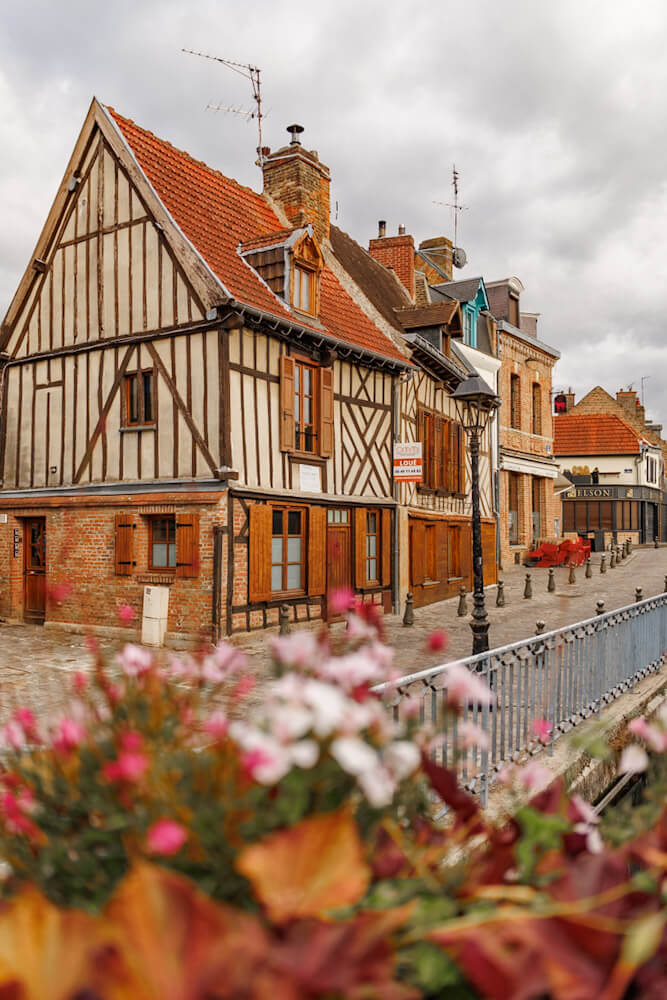
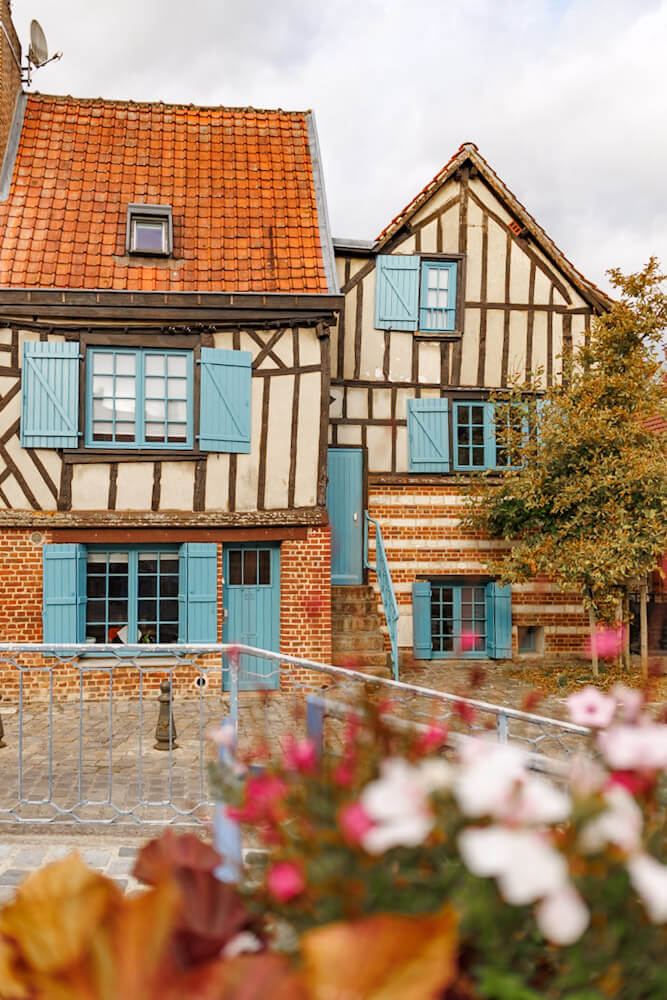
Just a few minutes’ walk from the cathedral is Saint-Leu, one of the most enjoyable neighbourhoods in Amiens to explore without a particular route in mind. Narrow streets, colourful houses, small bridges and different branches of the River Somme give this historic district its distinctive character. From the Middle Ages onwards, the neighbourhood was home to workers and craftspeople whose livelihoods depended on water. Watermills stood along the canals, providing the power needed by weavers, dyers and leather tanners, among others. The textile industry was particularly important to Amiens. One valuable product was bleu de guède, a blue dye extracted from the woad plant. Growing, processing and trading woad brought considerable wealth to the city, earning the dye the nickname ‘blue gold’. From the 16th century onwards, woad gradually gave way to indigo, which produced a more intense shade of blue.
From working district to lively neighbourhood
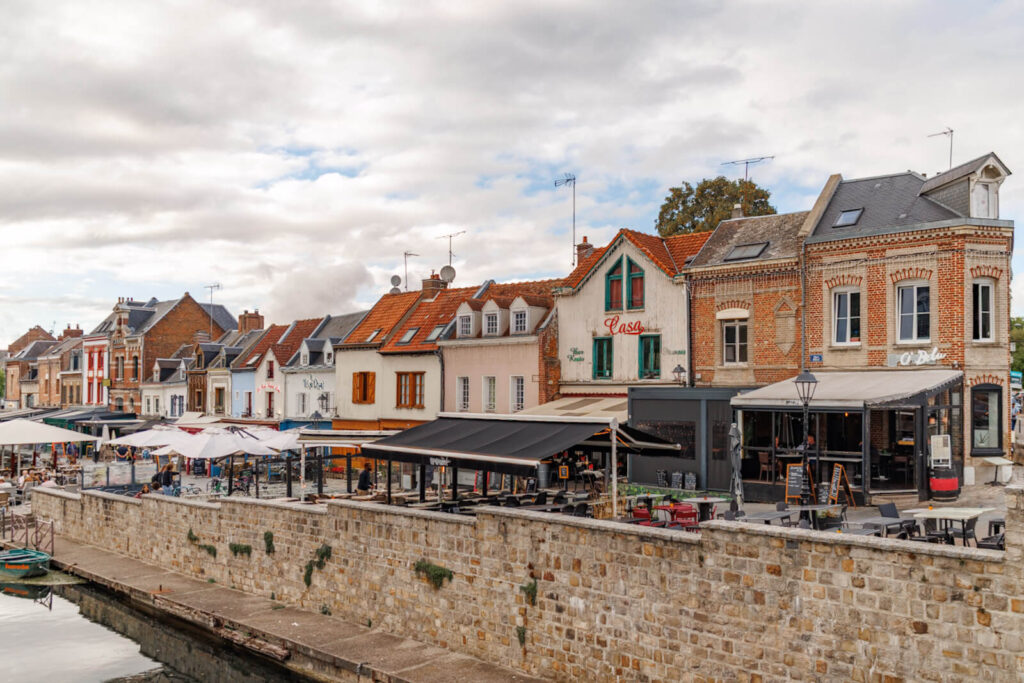
After the Second World War, Saint-Leu experienced a period of decline. Traditional crafts disappeared, buildings deteriorated and the population decreased. There were even plans to demolish much of the neighbourhood and fill in its canals. Fortunately, the opposite happened. Saint-Leu was restored and gradually developed a very different character. Today, the colourful neighbourhood is home to students, independent shops, cultural institutions, restaurants and cafés. The area around Quai Bélu is particularly lively, with outdoor terraces right beside the water and views towards the cathedral rising above the surrounding streets.
Discover street art in Saint-Leu
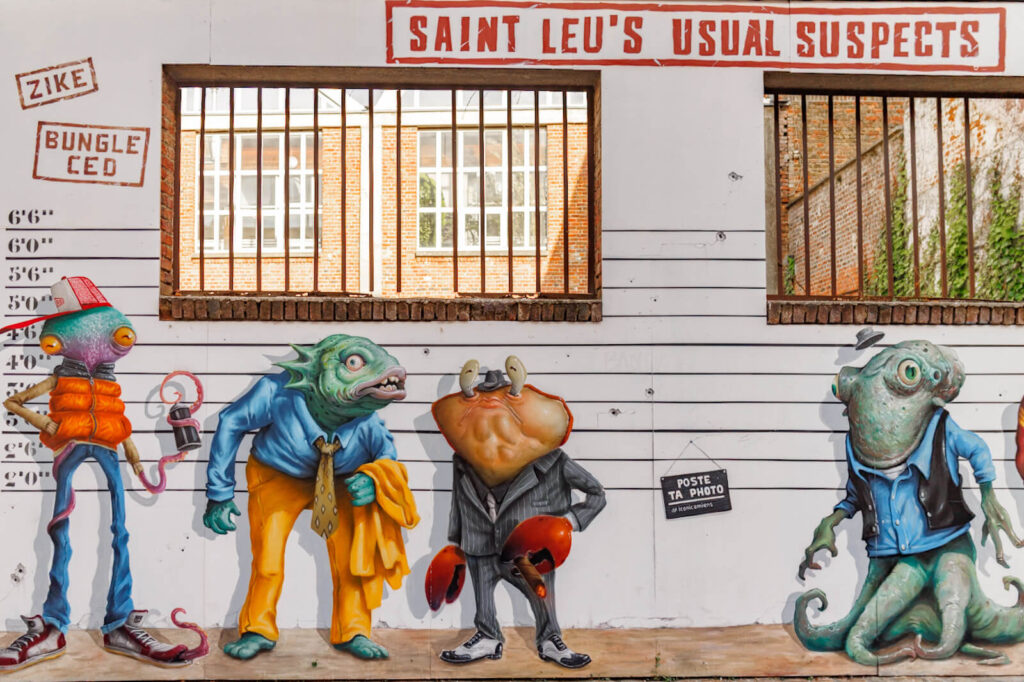
One of the things that makes Saint-Leu so interesting is the contrast between its historic surroundings and the contemporary artwork covering its walls. You will come across street art in all kinds of places, from large building façades to spaces beneath bridges and walls that are easy to walk past without noticing. Many of these works are part of IC.ON.IC, a visual arts festival held in Amiens since 2021. Not all the artwork disappears when the festival ends, so over the years Saint-Leu has developed something of a permanent street art trail. There are now more than forty works to discover, with new murals appearing each year.
Since 2025, you can also spot small mosaics by the French artist Invader in Saint-Leu and the city centre. If you have seen his work in other cities, you will probably recognise the little pixelated characters straight away.
Cross the red bridge to Parc Saint-Pierre
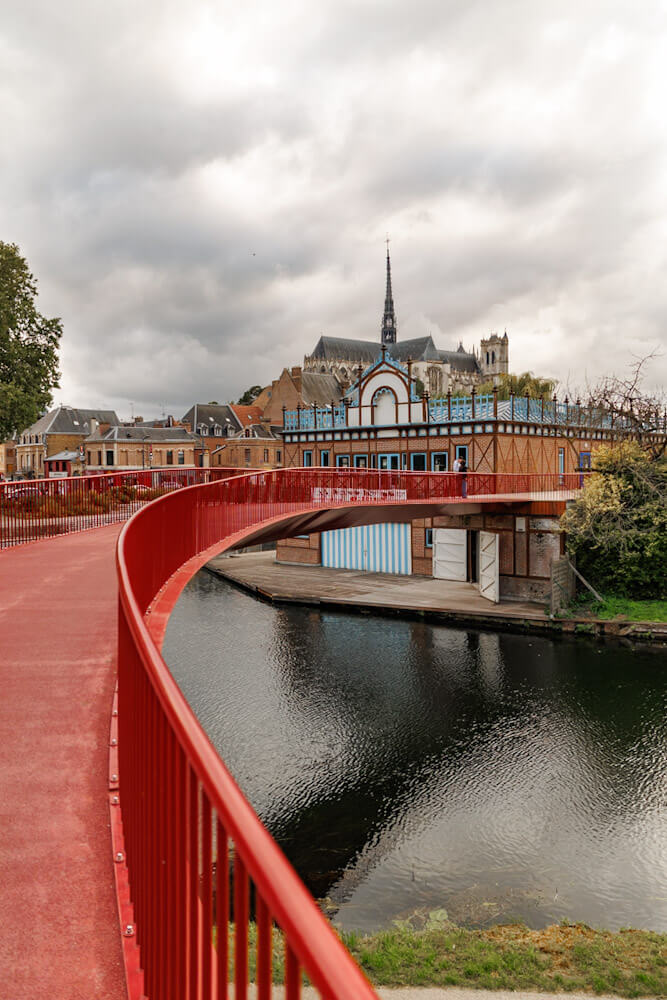
At the edge of Saint-Leu, a striking red pedestrian bridge crosses the water. Its bright colour makes it an interesting place for photographs, but the bridge also provides a convenient connection to a completely different part of Amiens. Cross it and you will find yourself almost immediately in Parc Saint-Pierre. This large urban park lies between Saint-Leu and the Hortillonnages, with walking paths, open lawns, ponds and plenty of greenery. Amiens is known for being a green city and this is one of the places where that becomes particularly noticeable. You do not necessarily need to spend hours in the park during a city break, but it is worth including a short walk here while exploring Saint-Leu.
Take a boat through the Hortillonnages
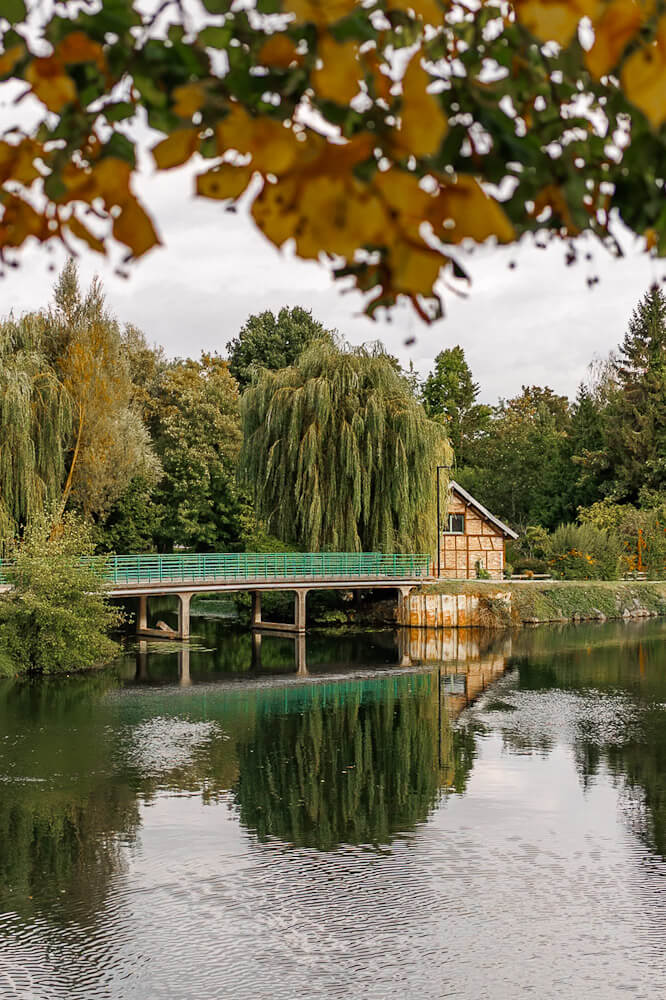
One of the most unusual places in Amiens is the Hortillonnages, a watery landscape covering approximately 300 hectares and crossed by around 65 kilometres of canals. The area consists of hundreds of small plots of land that were traditionally used as vegetable gardens. One of the nicest ways to explore is from the water. A boat takes you through narrow canals, past small islands with gardens, little houses and bridges. In some places, you can still see working vegetable gardens that reflect the area’s original purpose.
For centuries, the Hortillonnages supplied the people of Amiens with fresh fruit and vegetables. The gardeners, known as hortillons, transported their harvest in specially designed flat boats along the waterways into the city, where the produce was sold at local markets. From 1882 onwards, one of the places where this took place was the Marché sur l’eau, or water market, near Place Parmentier.
Only a small number of the vegetable gardens are still used professionally today. Many plots have become private gardens over the years, although the area’s centuries old horticultural tradition has not disappeared completely. Fruit and vegetables are still grown here and some of the produce finds its way to local markets and restaurants in Amiens.

International Garden Festival
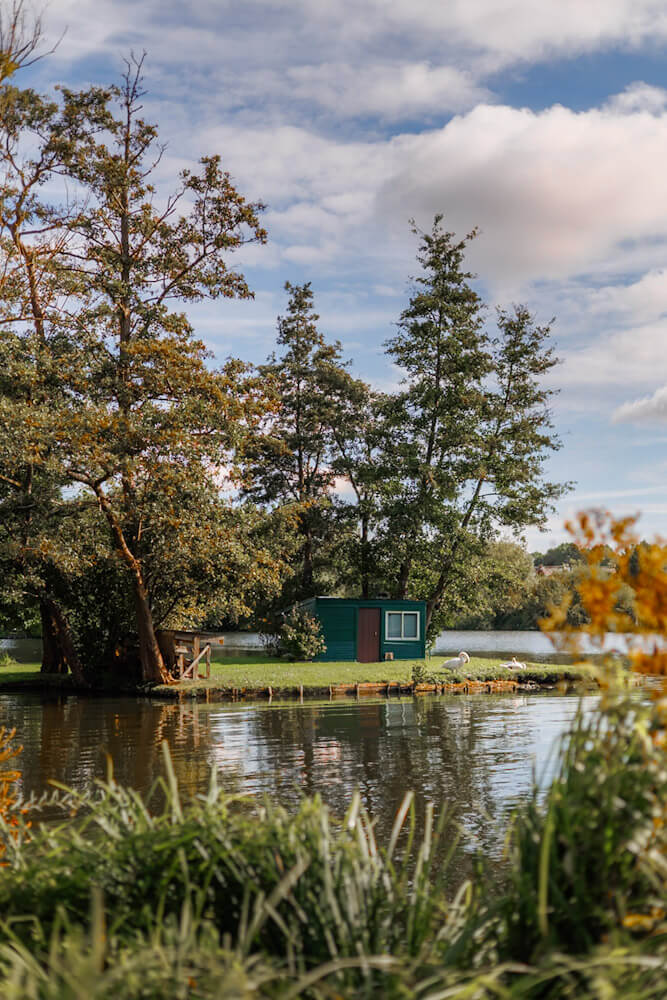
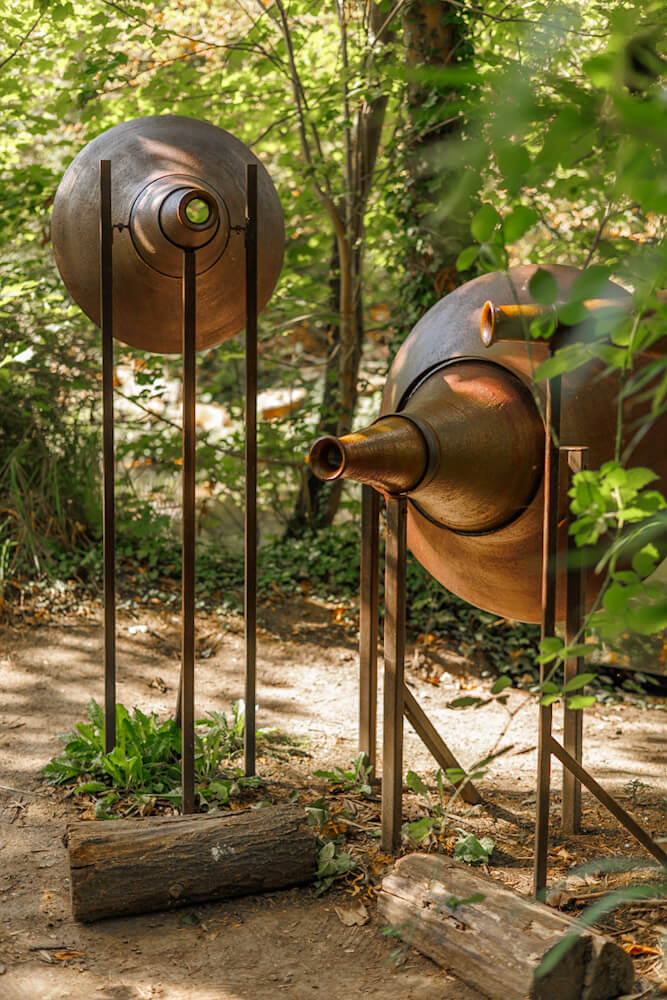
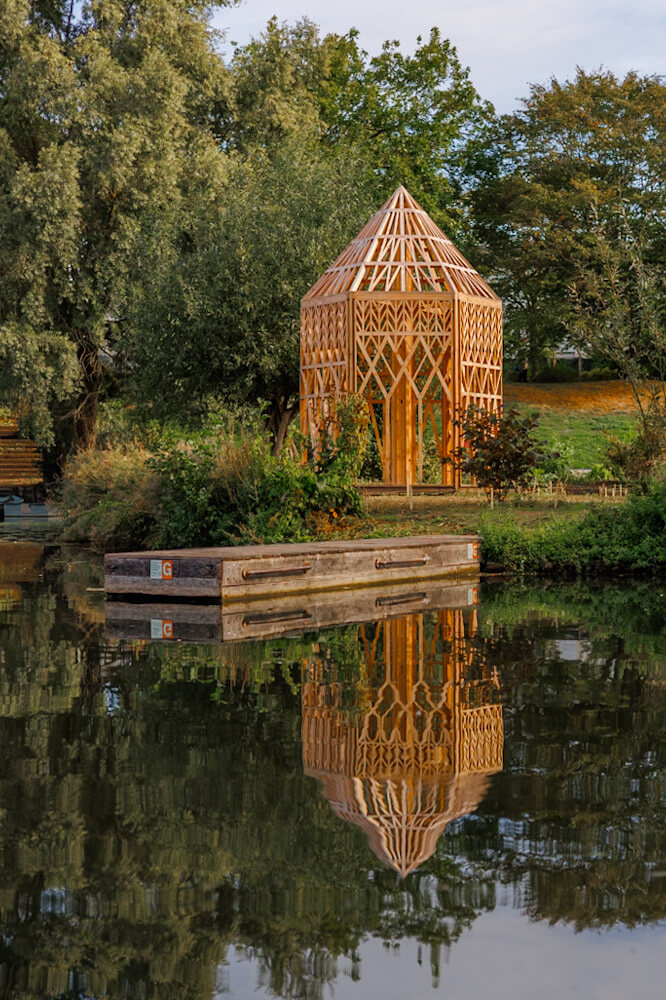
From spring until autumn, the Hortillonnages hosts the Festival International de Jardins, also known as the International Garden Festival. Throughout the area, you will find dozens of unusual gardens and art installations created by landscape architects, artists and designers. New works are introduced every year, while some installations remain in place for several seasons. At Port à Fumier, you can rent a small electric boat and explore the islands and artworks from the water. Keep in mind that boat rental here is only available during the festival season.
Visit Maison de Jules Verne
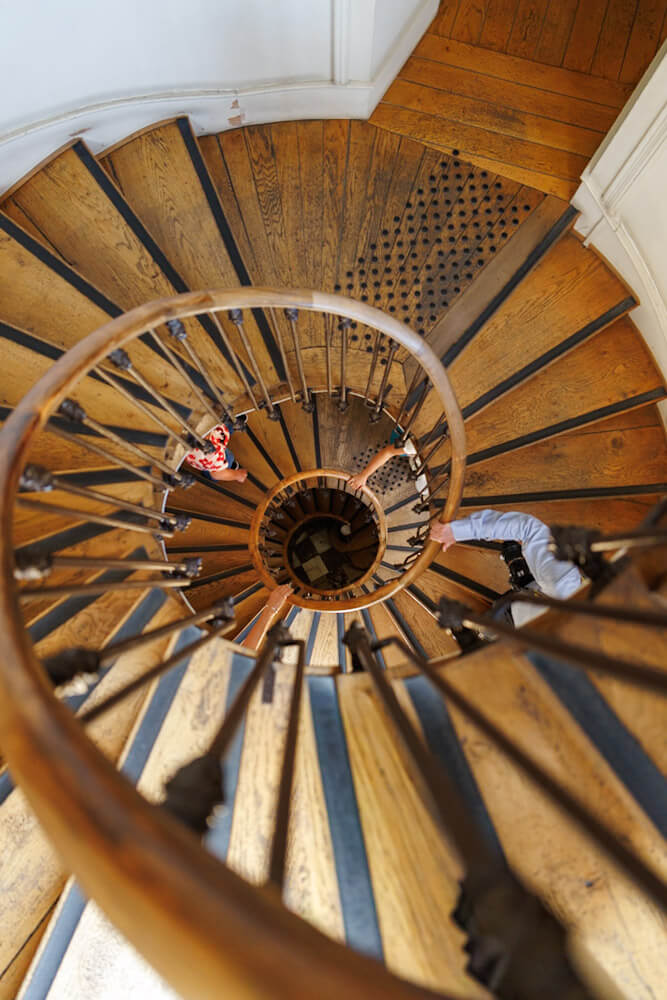
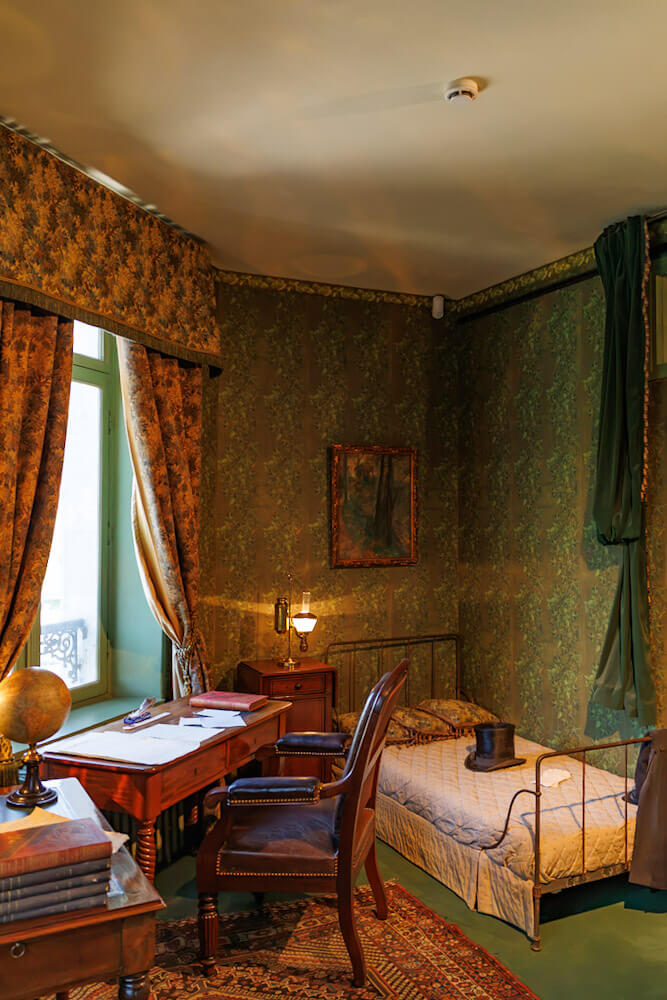
One of Amiens’ most famous residents was the writer Jules Verne. Between 1882 and 1900, he lived with his wife Honorine in the house now known as Maison de Jules Verne. The elegant building, with its distinctive tower, has been turned into a museum and is about a ten minute walk from the city centre. During your visit, you can explore rooms furnished in the style of the 19th century. Among the furniture and personal belongings are manuscripts, books and illustrations, along with displays dedicated to famous novels such as Around the World in Eighty Days and Twenty Thousand Leagues Under the Seas. The well known winter garden, several studies and the library make it easy to imagine what everyday life might have been like for Jules Verne in this house.
See Cirque Jules Verne
You will find references to Jules Verne elsewhere in Amiens too. Just outside the city centre stands Cirque Jules Verne, a distinctive circular circus building dating from the 19th century that is still used for performances today. Jules Verne was involved in the building’s official opening, while its design was the work of architect Émile Ricquier. Even if you are not attending a performance, it is worth walking past to see the building. It is particularly easy to combine with a visit to Maison de Jules Verne, as the two are not far apart.
Explore the art and architecture of Musée de Picardie
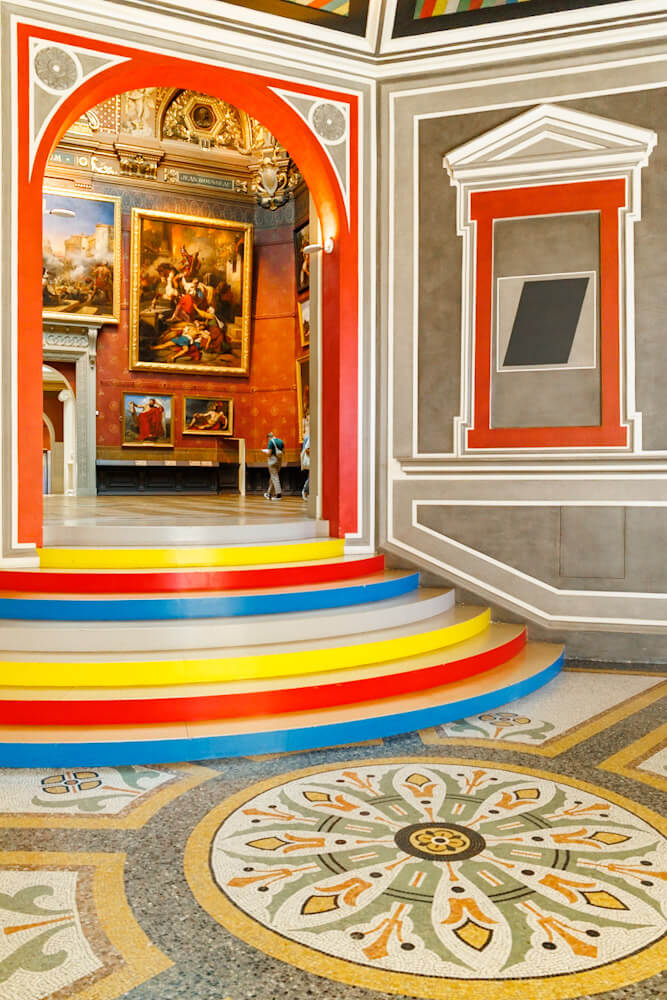
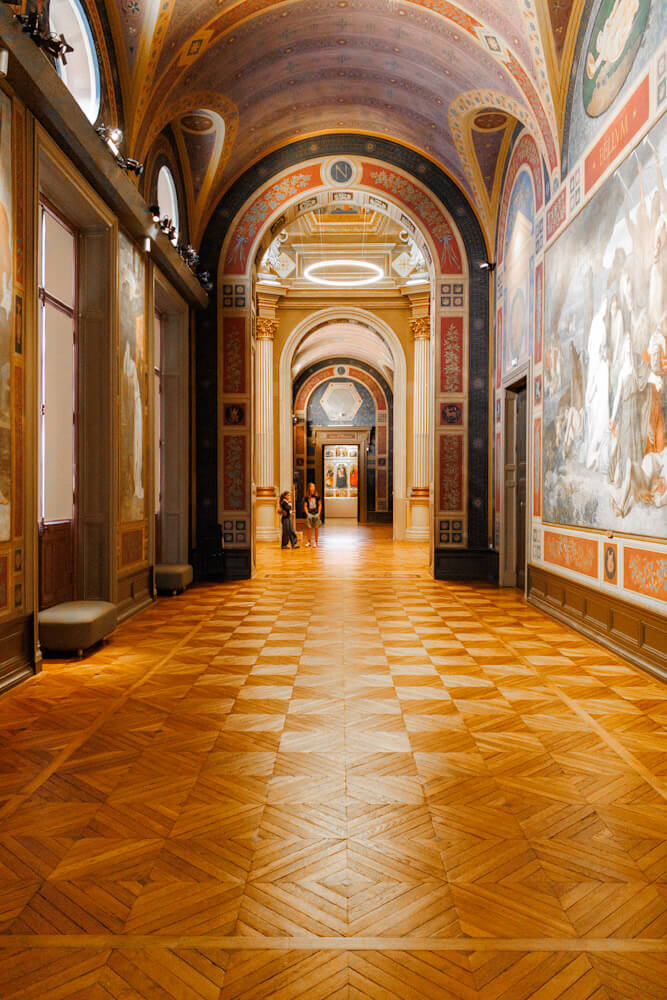
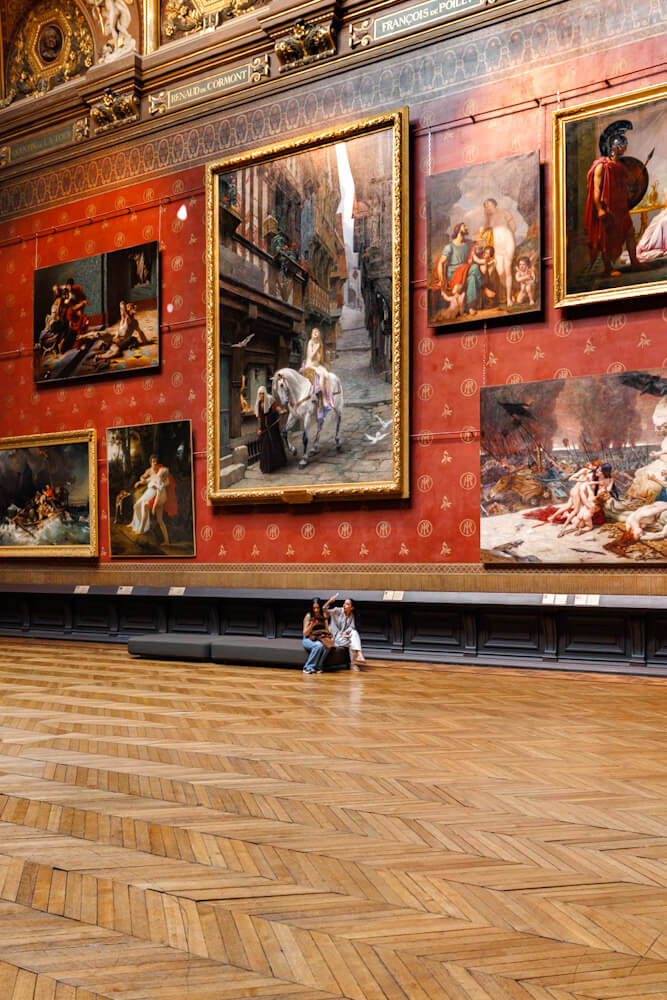
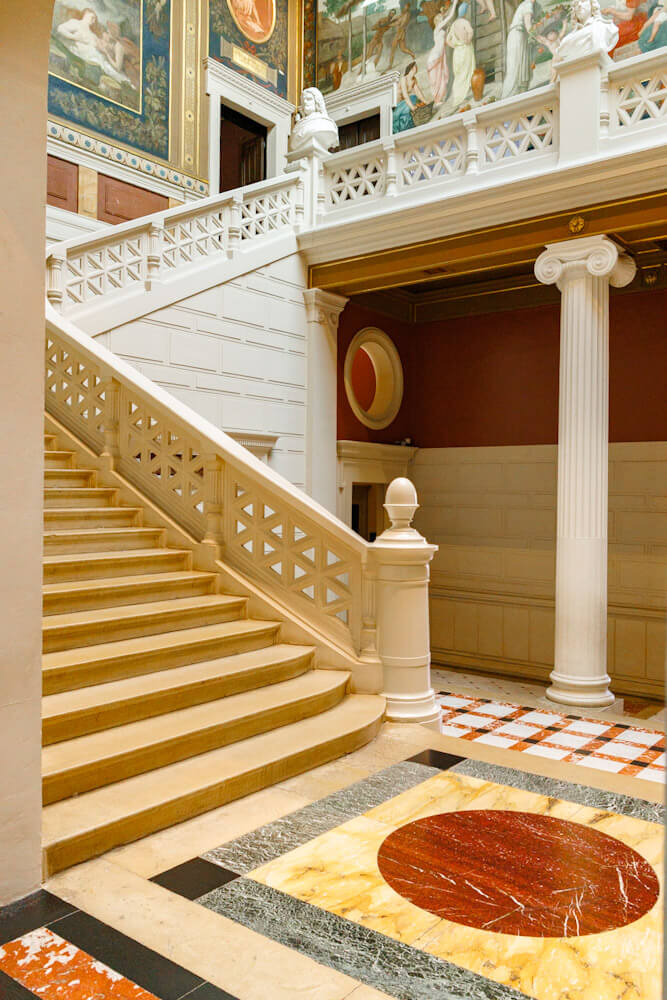
Musée de Picardie is the main art museum in Amiens. Even if you are not planning to spend hours looking at paintings, the building itself is a good reason to visit. Constructed in the 19th century, this monumental museum was among the first major buildings in France to be designed specifically as an art museum. I particularly like the recently renovated entrance, which leads into an enormous central hall with a glass roof high overhead. The wide staircases, tall galleries, vaulted ceilings and richly decorated rooms also make the building interesting to explore in its own right. The collection is very varied, with archaeological discoveries, medieval objects, sculptures and paintings from different periods. Part of the museum is dedicated to ancient Egypt, where you can see a real mummy among the Egyptian antiquities.
Explore the historic centre of Amiens
Between visiting the main attractions, it is worth spending some time simply wandering through the centre of Amiens. Parts of the city suffered extensive damage during the Second World War, so historic buildings now stand alongside architecture from the postwar reconstruction period. Even so, there are still plenty of interesting places to discover, each with its own story.
Horloge Dewailly and Marie sans Chemise
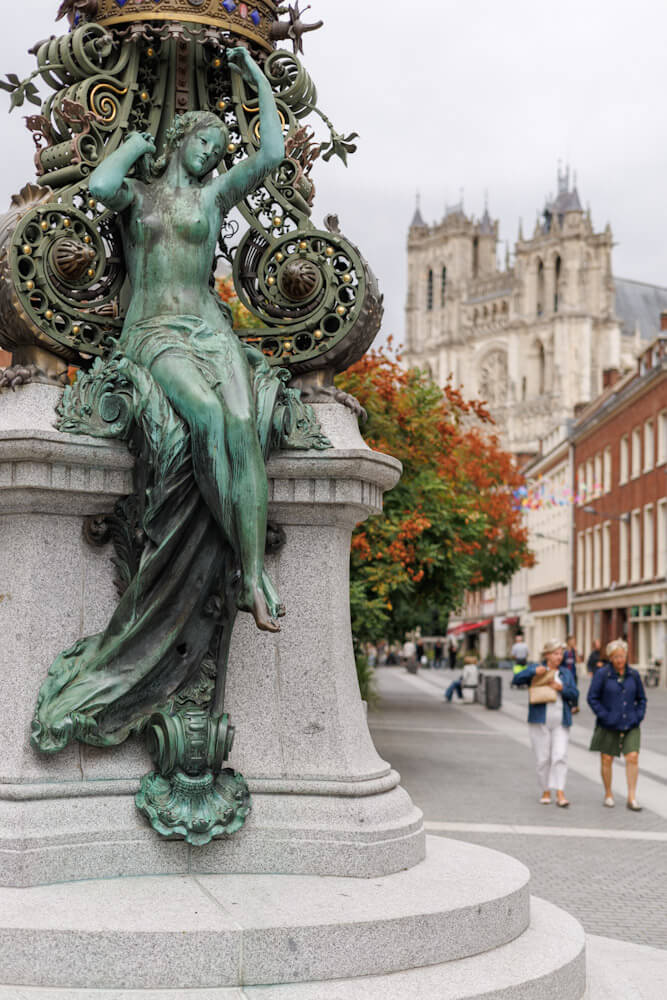
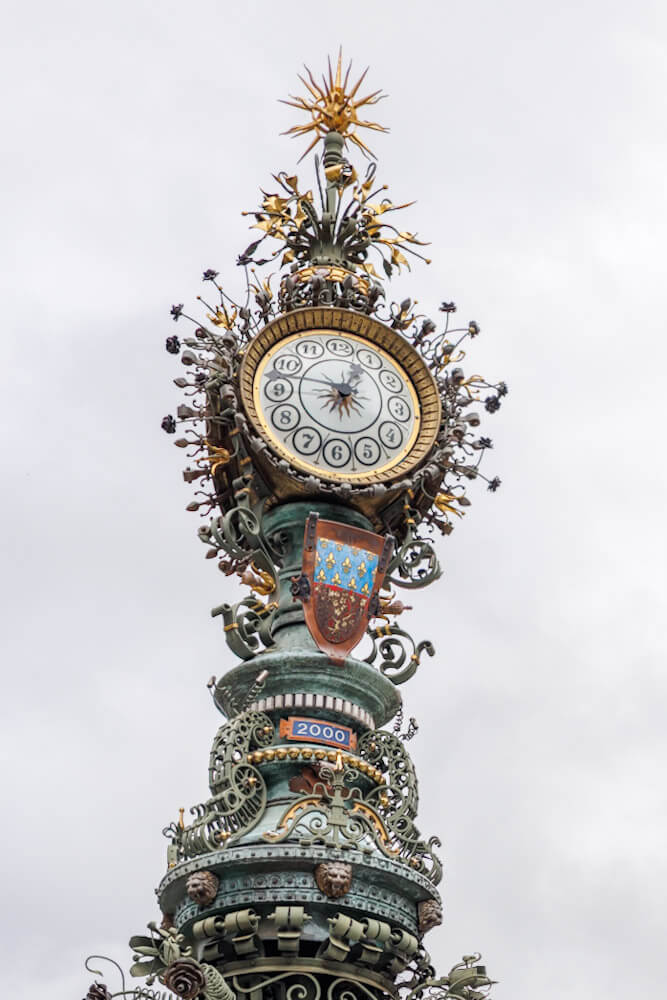
Close to the cathedral stands the unusual Horloge Dewailly, an ornate clock with three faces and a bronze female figure at its base. The clock was installed towards the end of the 19th century so that residents who did not own a watch could still check the time. The female figure soon acquired the nickname Marie sans Chemise, meaning ‘Marie without a shirt’. The original clock was lost during the Second World War, but the statue survived. The clock you see today is a reconstruction dating from 1999.
Beffroi d’Amiens
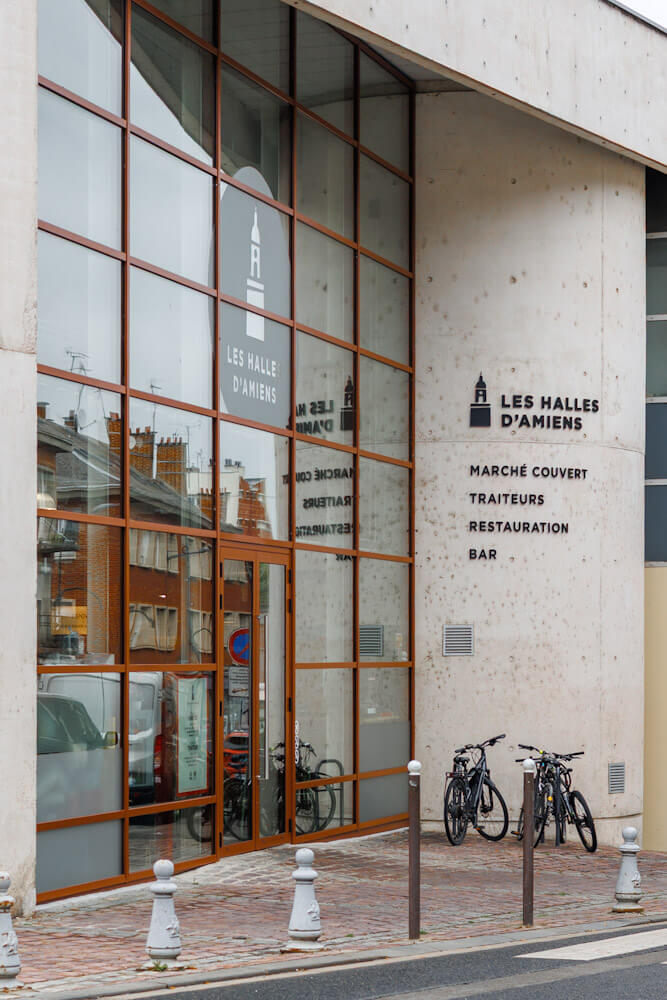
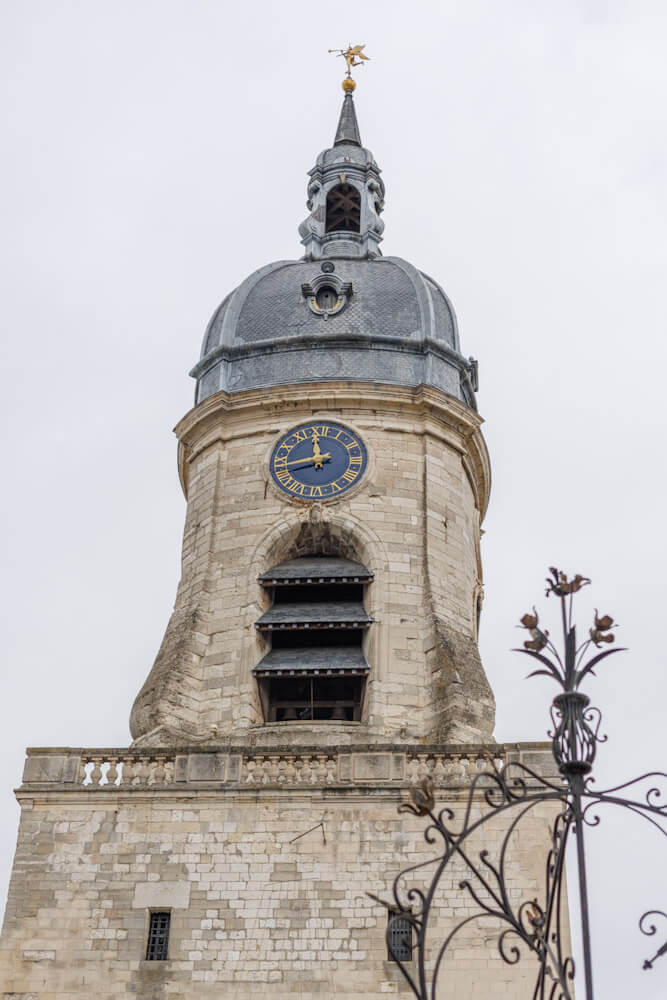
Not far from the clock stands Beffroi d’Amiens, the city’s historic belfry. For centuries, the tower has symbolised the independence and civic power of Amiens. Together with other belfries in Belgium and France, it is recognised as a UNESCO World Heritage Site. The belfry stands right beside the covered market, making it easy to visit both during the same walk.
Les Halles d’Amiens
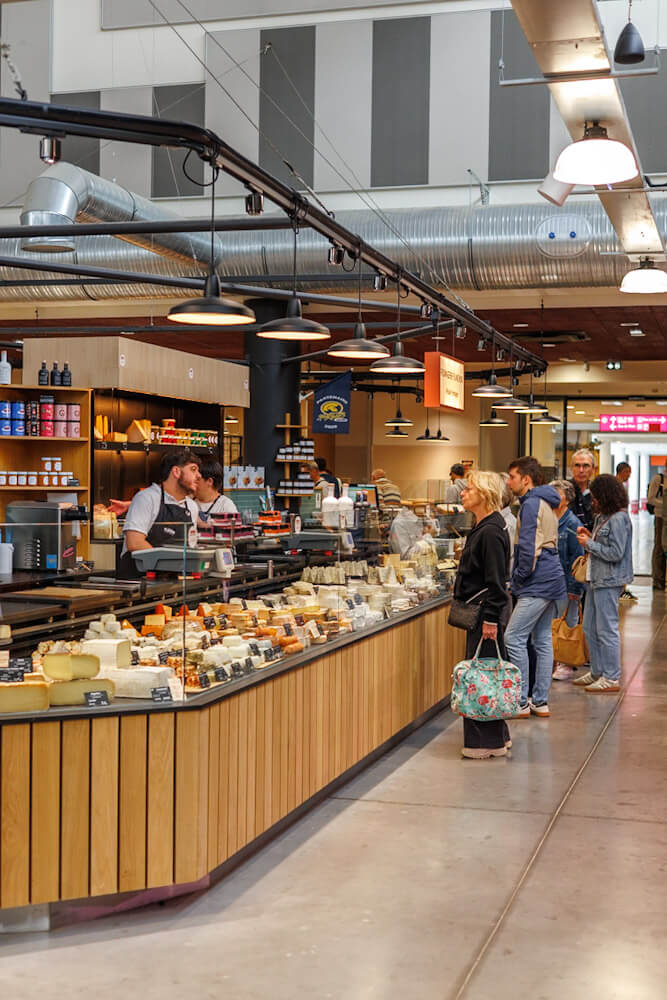
Les Halles d’Amiens is the city’s covered food market. Following a major renovation, the market reopened at the end of 2025 and I think it is well worth stopping by. Inside, you will find specialist food stalls selling cheese, fish, meat, bread and vegetables, as well as places where you can sit down for something to eat or drink. It feels just as much like a local meeting place as a market.
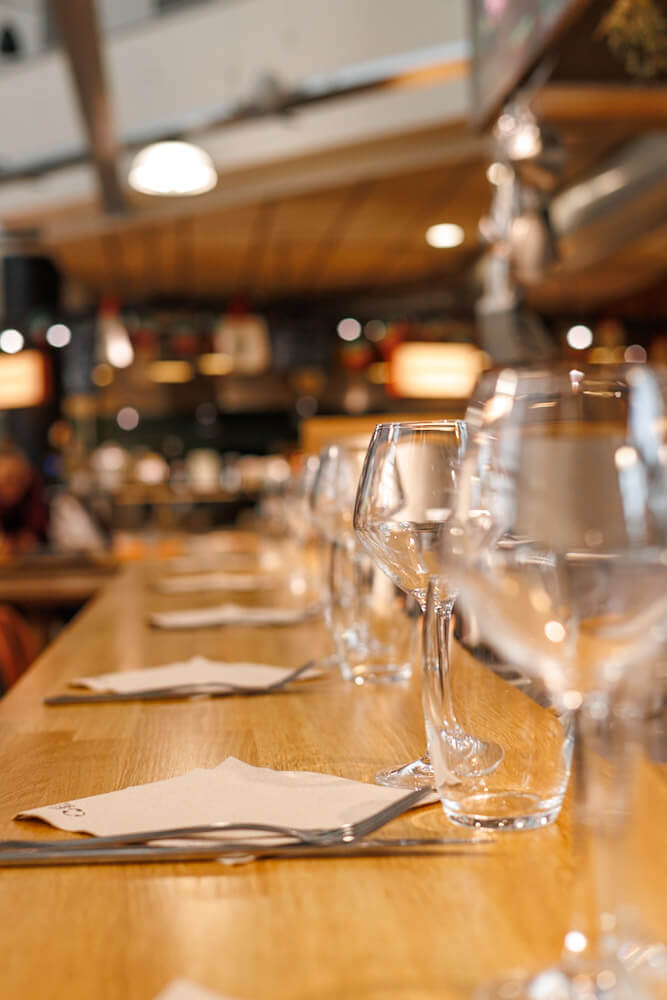
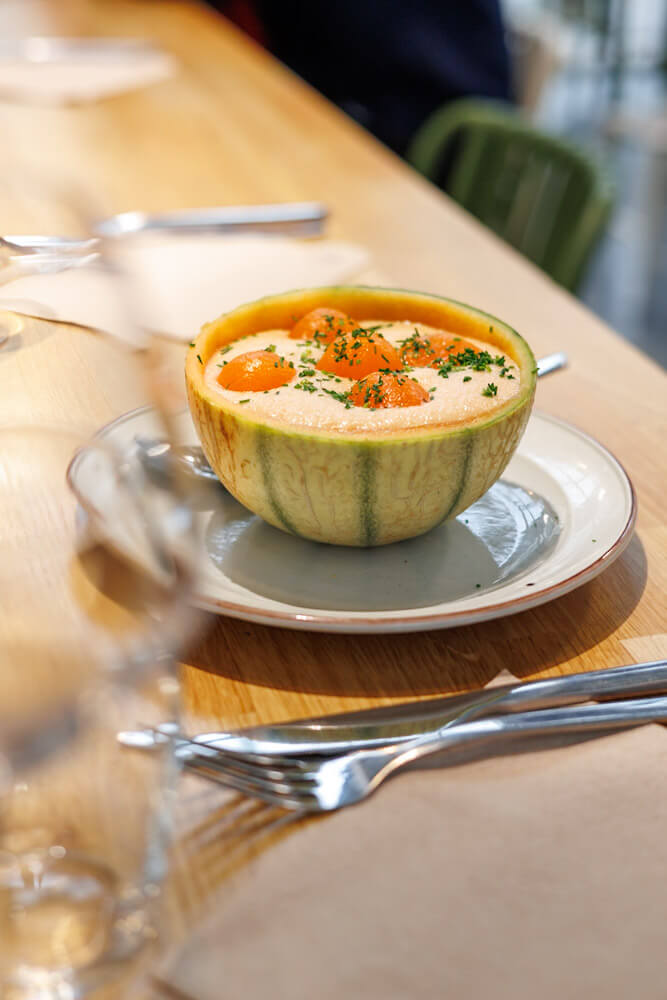
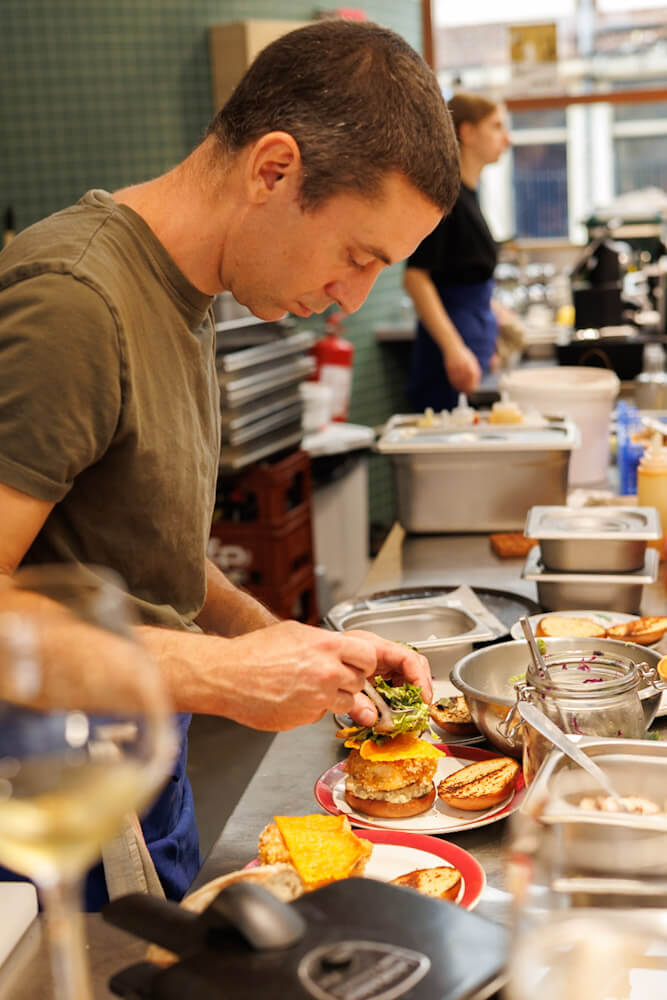
One of the interesting places to eat inside the market is Papoyo, run by Thomas Dumont, the young chef behind the Amiens restaurant Hyacinthe. His market restaurant is much more informal, with an open kitchen and counter seating. That is part of what makes it enjoyable. From your seat, you can look straight into the kitchen and watch the dishes being prepared right in front of you. Instead of a restaurant kitchen hidden behind closed doors, the cooking takes place in the middle of the market hall. I would definitely recommend stopping here.
Even if you are not planning to eat, I would still include Les Halles d’Amiens in a walk through the city. The market and the belfry stand next to each other, so you can easily see both in one visit.
Try macarons d’Amiens
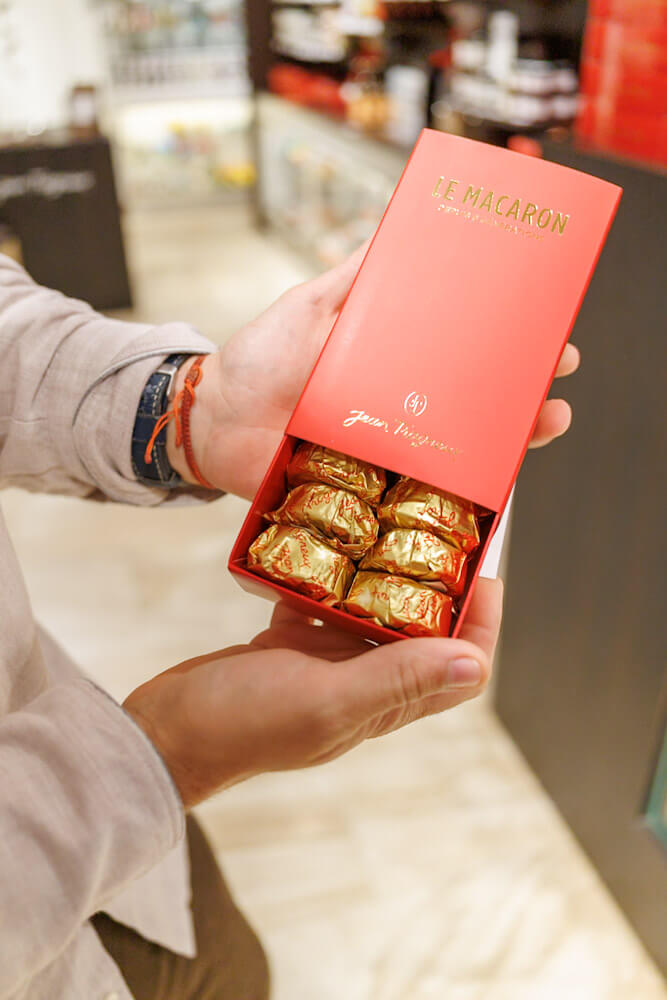
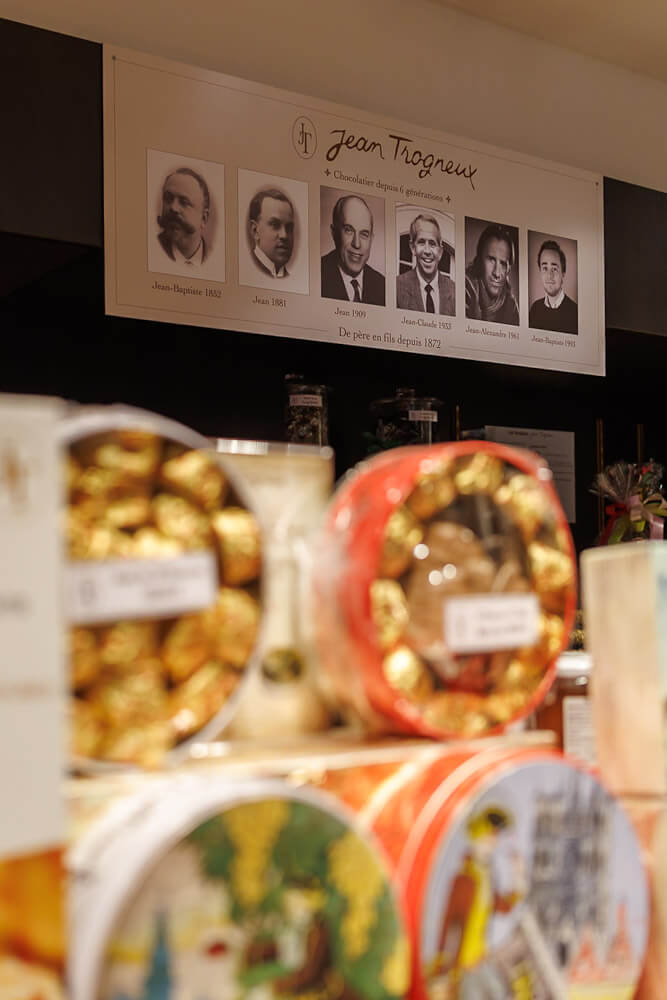
Do not confuse macarons d’Amiens with the colourful Parisian macarons that have a filling between two delicate shells. The Amiens version is more like a soft almond biscuit, made with ingredients including almonds, sugar, honey and egg white. One of the best known places to try them is Jean Trogneux, a family business established in Amiens in 1872. The sixth generation of the family now runs the business and macarons d’Amiens have remained one of its specialities throughout its history. According to the family, the original recipe has not changed since 1872. During my visit, I naturally try the local macarons, along with several different chocolates. The display cases are filled with chocolates, macarons and other sweet treats, making this a lovely place to pick up something to take home.
Maison du Sagittaire and Logis du Roy
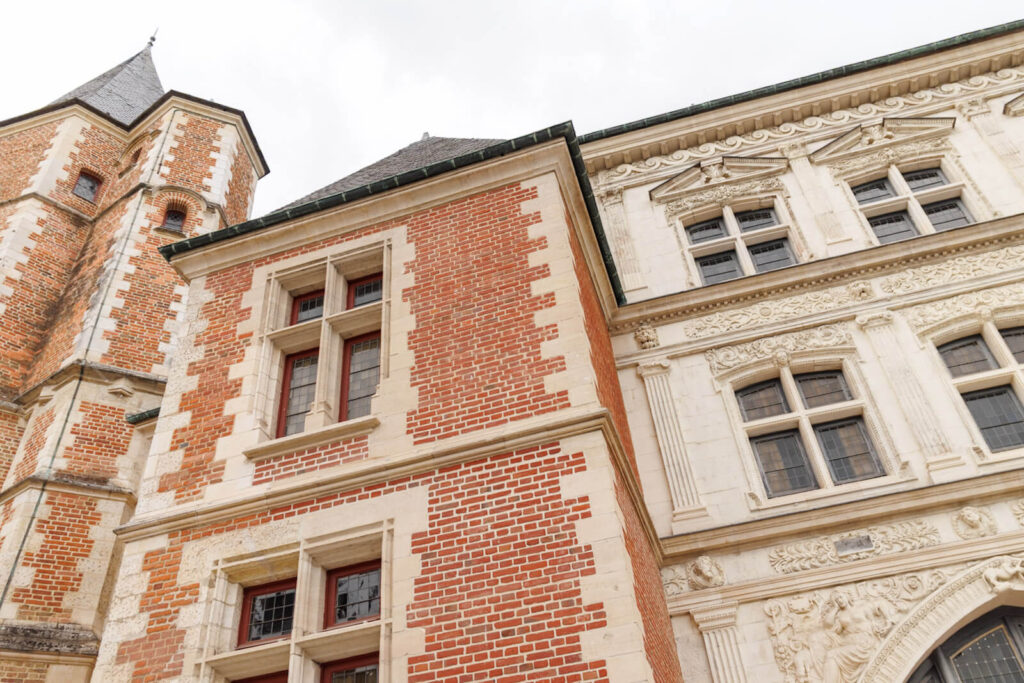
While walking through the centre of Amiens, take a closer look at some of the historic façades. Near the cathedral, for example, you will find Logis du Roy and the richly decorated façade of Maison du Sagittaire standing side by side. At first glance, you might assume the two buildings have stood together for centuries, but that is not the case. Maison du Sagittaire was built towards the end of the 16th century and originally stood around 500 metres away on Rue des Vergeaux. The building was destroyed during the Second World War, but its remarkable Renaissance façade survived. In 1952, the façade was carefully dismantled stone by stone. Every stone was numbered, stored and restored. It was not until eight years later that the façade was reconstructed in its present location, directly beside Logis du Roy and in front of a newly constructed building. What you see today as Maison du Sagittaire is therefore a centuries old façade attached to a much more recent building.
Wander through Jardin des Plantes
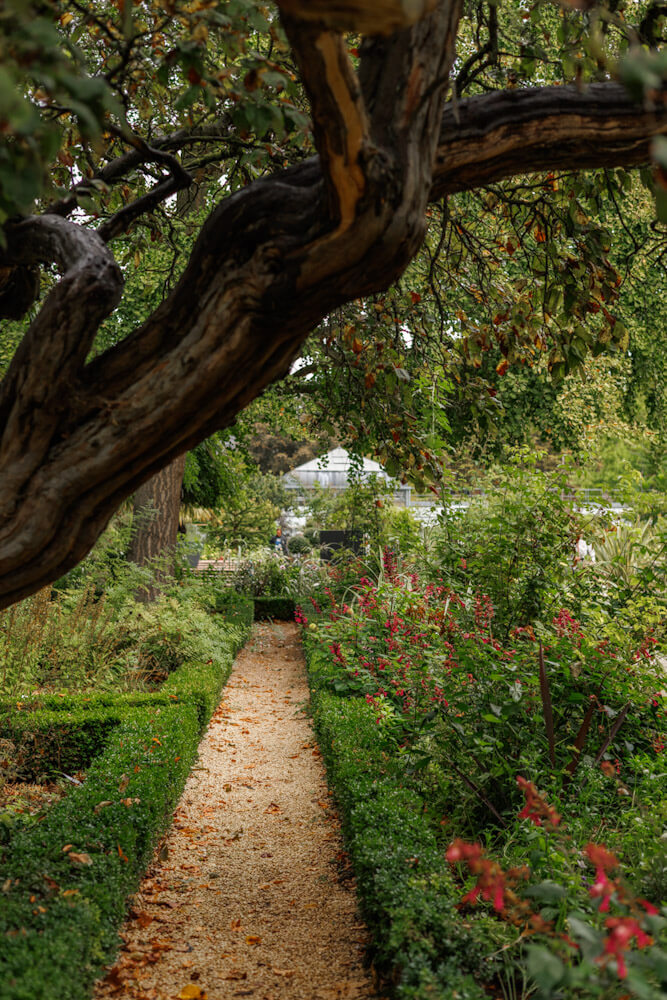
If you have a little more time, consider visiting Jardin des Plantes, the botanical garden of Amiens on the edge of Saint-Leu. The garden’s history stretches back several centuries and today hundreds of different plant species are grown and preserved here. You will find medicinal plants, herbs, flowers and species that once played an important role in the local economy. Jardin des Plantes is not far from Saint-Leu, so it is easy to include during the same walk.
Where to eat in Amiens
After exploring the sights, there is another important part of any city break to enjoy: the food. Amiens has plenty of places serving traditional French dishes, but you will also find younger chefs bringing a more contemporary approach to the local dining scene.
Brasserie Jules
Brasserie Jules is a more traditional choice. This large French brasserie has a menu with a particular emphasis on fish and seafood. The interior and atmosphere are exactly what you might expect from a classic French brasserie. It is a pleasant place for a leisurely lunch or dinner when you want to enjoy the familiar surroundings of a traditional brasserie.
Les Orfèvres
For a more elaborate dinner, Les Orfèvres is a good option in the centre of Amiens. The restaurant, led by chef Frédéric Barette, is featured in the Michelin Guide and serves contemporary French cuisine with particular attention to ingredients and presentation. This is somewhere to go when you want dinner itself to be part of the evening rather than simply a quick meal between sightseeing stops.
Hyacinthe by Thomas Dumont
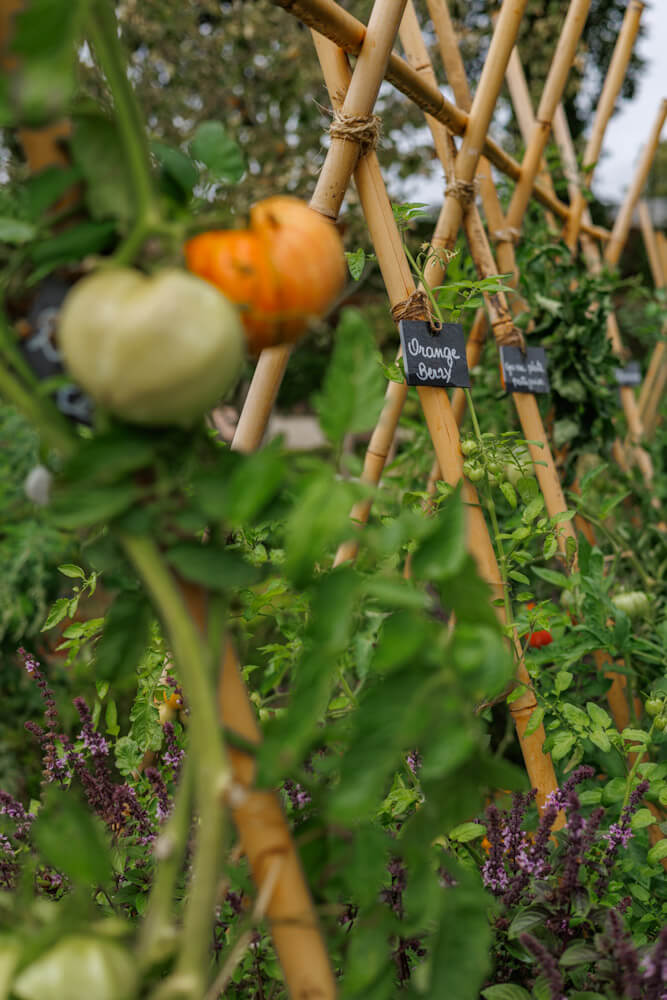
Another restaurant worth considering is Hyacinthe, run by chef Thomas Dumont. He opened the restaurant in 2022 and was subsequently recognised by Gault & Millau as Jeune Talent Hauts-de-France, an award highlighting promising young culinary talent in the region. His cooking focuses on local and seasonal ingredients, including vegetables grown in the Hortillonnages. If you would prefer to try his food in a more relaxed setting, you can also visit Papoyo in Les Halles d’Amiens, which I mentioned earlier.
Dining by the water in Saint-Leu
Saint-Leu is also a lovely place to eat, particularly because of its location. Along Quai Bélu, several restaurants have terraces directly beside the water. On a pleasant evening, this is perhaps one of the nicest places in Amiens to end the day, with views of the famous cathedral above the neighbourhood.
Where to stay in Amiens
During my visit to Amiens, I stay at ibis Styles Amiens Centre, just a few minutes’ walk from the railway station and right in the city centre. Its location is ideal for a city break, as the cathedral, Saint-Leu and many other attractions are all within easy walking distance. The hotel has a modern interior, welcoming shared spaces and comfortable, nicely designed rooms. The beds are particularly comfortable and the spacious shower is another welcome feature. For me, it is a very pleasant base from which to explore Amiens over a few days.

The Originals Boutique Hôtel Amiens Sud

Mercure Amiens Cathedrale

Logis Hôtel - La Chambre D'amiens
How many days do you need in Amiens?
I would recommend spending at least two days in Amiens. Many of the main attractions are close together, so you can easily visit the cathedral, explore the city centre and wander through Saint-Leu on your first day. Spend the second day visiting Maison de Jules Verne, Musée de Picardie and the Hortillonnages. If Chroma is taking place during your visit, make sure to plan an evening near the cathedral. With three days, you can take things at a more relaxed pace, spend longer exploring the Hortillonnages by boat, visit Jardin des Plantes and take your time discovering the street art in Saint-Leu. It is this variety that makes Amiens such an enjoyable destination for a short city break.
How to get to Amiens
Amiens is well connected by train, making it relatively easy to reach from various European cities. From Paris, direct trains depart from Gare du Nord and take around an hour and fifteen minutes to reach Amiens. Travellers arriving from other countries can connect through Paris or Lille, depending on their route. If you are travelling by Eurostar or another international rail service, you may need to change trains along the way.
Amiens is also easy to reach by car, making it a convenient destination for a city break or part of a longer journey through northern France. From Paris, the drive takes approximately an hour and a half. You could combine a visit to Amiens with the beautiful village of Gerberoy or the impressive Château de Pierrefonds. The Baie de Somme, Mers-les-Bains, Le Tréport and Arras are also worth considering during the same trip. If you are travelling further through France, Amiens makes a pleasant stop along the way. Stay for one or two nights and you can easily turn a longer journey into an opportunity to explore another French city.
More information about Amiens and northern France
If you would like to plan your visit to Amiens in more detail or discover more places in the surrounding region, take a look at the official websites of Hauts-de-France, Amiens Tourisme and France.fr. For more inspiration, explore our other articles about travelling in France.

