Saarbrücken might not be the first place that comes to mind when planning a city break in Germany, but the capital of Saarland has more to offer than you might expect. There are lively shopping streets, inviting squares, impressive churches, historic buildings and green parks along the River Saar. The city’s food scene is another reason to visit, with French influences reflecting its location close to the border. On a warm September day, I explore Saarbrücken without any particular plan. The sun is shining, the outdoor cafés are busy and around almost every corner I come across another interesting building or inviting little square. A visit to Saarbrücken also combines easily with some remarkable places nearby, including the Saarschleife river bend and its treetop walkway and the impressive Völklinger Hütte. The picturesque town of Saarburg is another lovely stop if you’re travelling through the region.
Read this article in DutchSaarbrücken, a city worth discovering in Saarland
Saarbrücken lies in southwestern Germany, close to the French border. As the capital of Saarland, it has an interesting blend of German and French influences. You can see this in the architecture, but also in the restaurants, cafés and relaxed atmosphere throughout much of the city. The River Saar runs through Saarbrücken, separating its historic centre into different districts. On one side is St. Johann, with its shopping streets, attractive squares and plenty of places to eat and drink. Across the river lies Alt-Saarbrücken, home to landmarks such as Saarbrücker Schloss and the impressive Ludwigskirche. Several historic bridges make it easy to explore both sides of the city on foot.
A look at Saarbrücken’s history
Saarbrücken has a long history. People were already living in the area during Roman times and the name Saarbrücken first appeared in written records in 999. For centuries, Saarbrücken and St. Johann were separate towns on opposite banks of the River Saar. They were not united into one city until 1909. Many of the elegant Baroque buildings you see today date from the 18th century. In later years, the region became an important industrial centre, particularly for coal mining and steel production. The Völklinger Hütte is a remarkable reminder of this industrial past.
Saarland’s position on the French border has also shaped its eventful history. The region underwent several changes in political status before becoming part of the Federal Republic of Germany in 1957. Saarbrücken suffered extensive damage during the Second World War and many historic buildings were subsequently reconstructed. As a result, the city today has an interesting mixture of historic and modern architecture.
Things to see and do in Saarbrücken
One of the things I particularly like about Saarbrücken is how close many of its main sights are to one another. You can easily spend an entire day exploring on foot without constantly checking a map. From historic streets and distinctive architecture to modern art and peaceful green spaces beside the river, there is plenty of variety.
Explore St. Johanner Markt
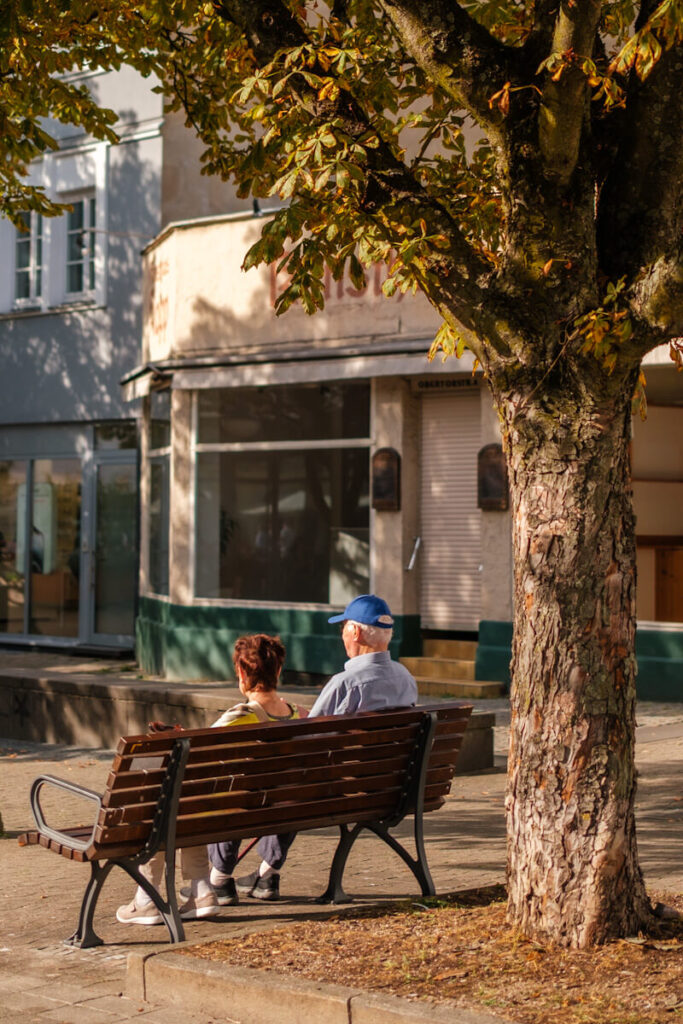
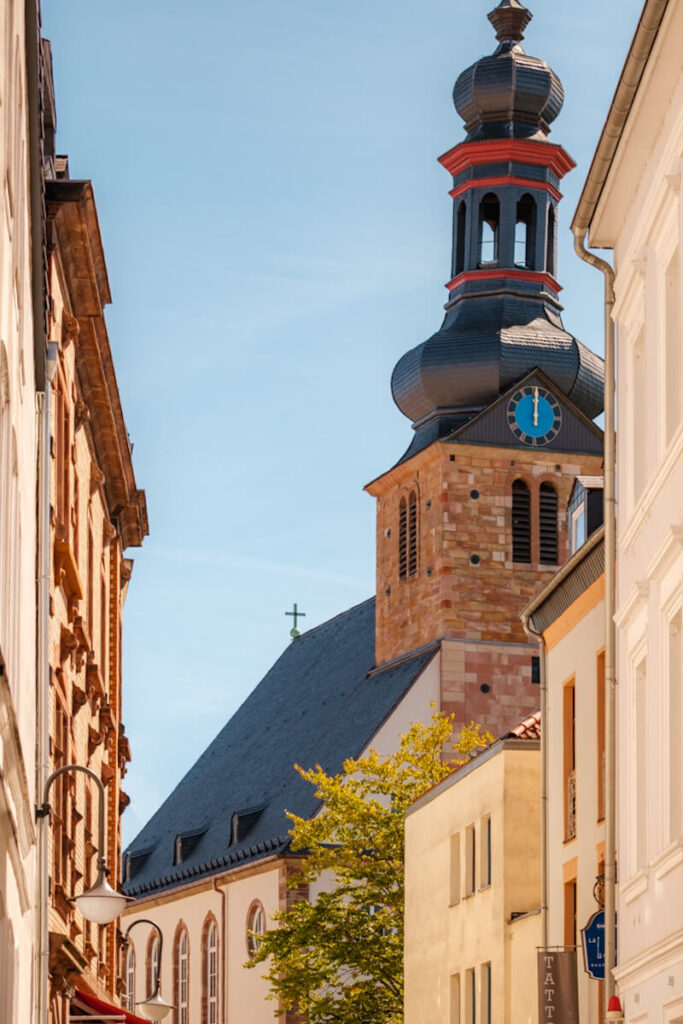
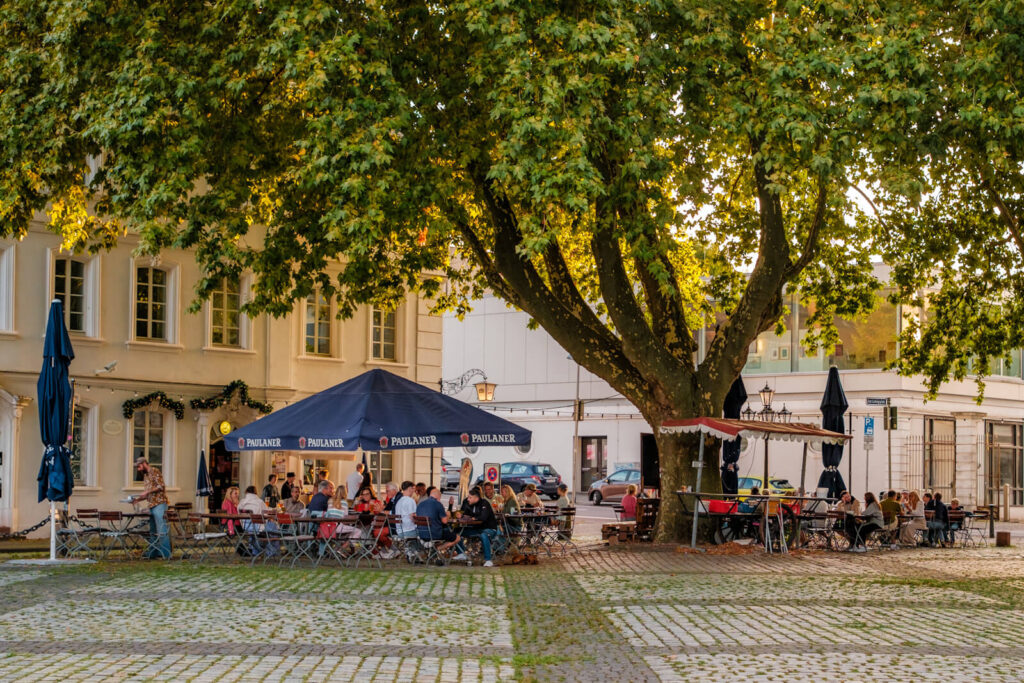
St. Johanner Markt is one of the liveliest and most inviting places in Saarbrücken. This historic market square, surrounded by attractive façades and centred around a Baroque fountain, lies in the heart of the St. Johann district. It is filled with cafés, restaurants and small shops, while several narrow streets lead away into the surrounding neighbourhood. Fröschengasse is particularly worth exploring. This narrow street curves around the edge of the square and is home to several interesting shops and restaurants. On a sunny day, St. Johanner Markt and the surrounding streets are full of life. Outdoor tables fill up with people enjoying a leisurely lunch or a drink towards the end of the afternoon. There is always something to watch, making it a lovely place to stop after a few hours of walking around the city.
Shopping in the streets of Saarbrücken
Saarbrücken is also a pleasant city for shopping. Bahnhofstraße is the main shopping street, stretching from the area around the central railway station towards the historic centre. Most of the shops here are familiar international chains and larger stores. Much of the street is pedestrianised, making it easy to explore at a relaxed pace. Personally, I find the smaller streets around Bahnhofstraße even more interesting. This is where you come across independent boutiques, specialist shops, delicatessens and inviting little cafés. It is worth leaving the main shopping street every now and then to explore the quieter side streets. You might discover an unusual shop, a beautifully preserved historic building or a café terrace that makes you want to stop for a while.
Admire the impressive Rathaus St. Johann
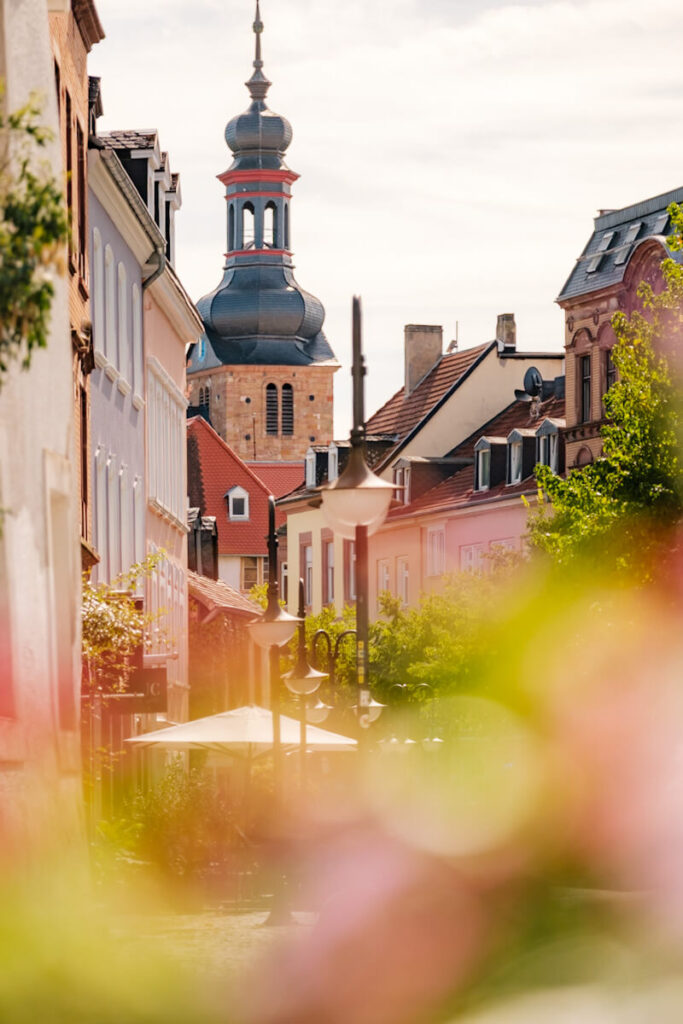
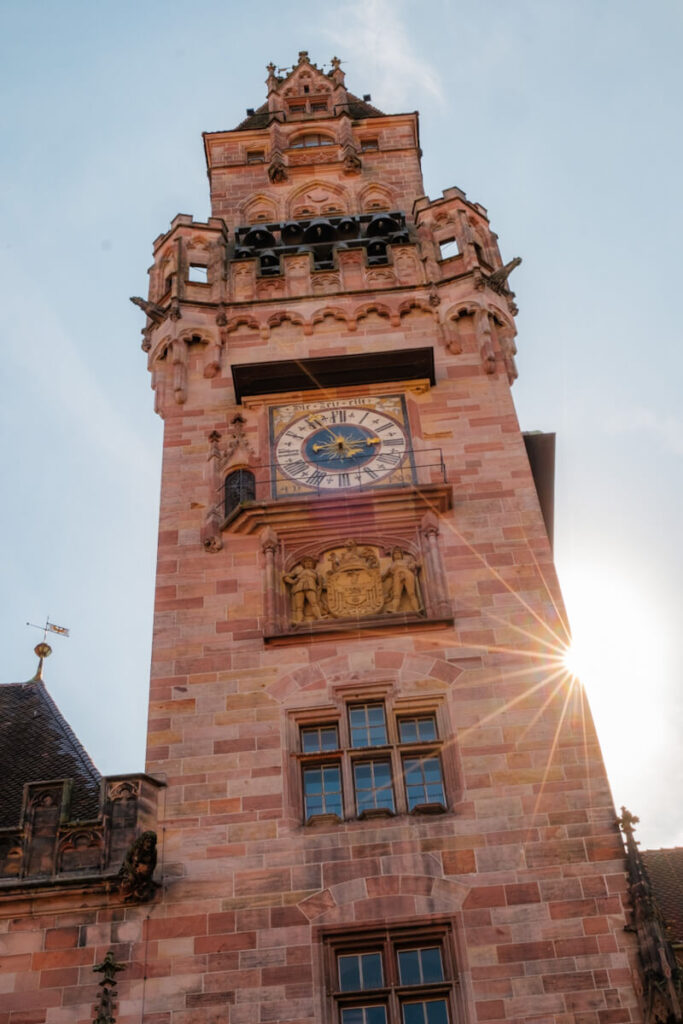
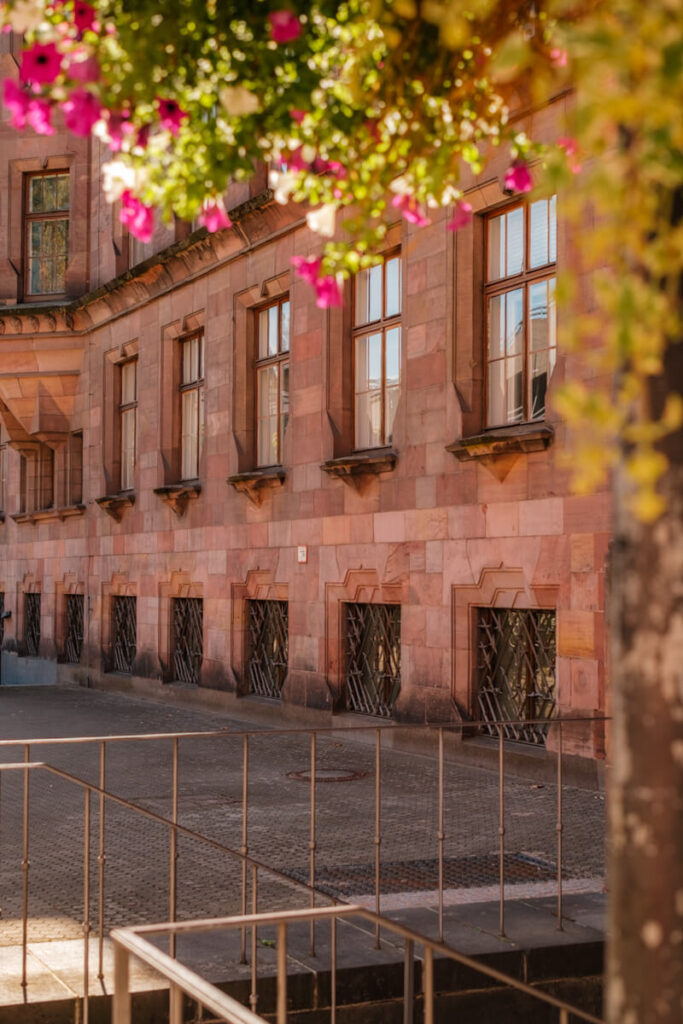
One of the buildings that immediately catches your attention while walking through Saarbrücken is Rathaus St. Johann, the town hall on Rathausplatz. Built towards the end of the 19th century, it has an elaborate Neo-Gothic façade made from reddish sandstone. With its tall towers, pointed arches, statues and countless decorative details, the building looks almost more like a castle than a town hall. The main tower rises well above the surrounding rooftops and can be seen from several streets around the city. I particularly like the views when approaching Rathausplatz through one of the smaller side streets, where the tower appears between the neighbouring buildings.
Visit Basilika St. Johann
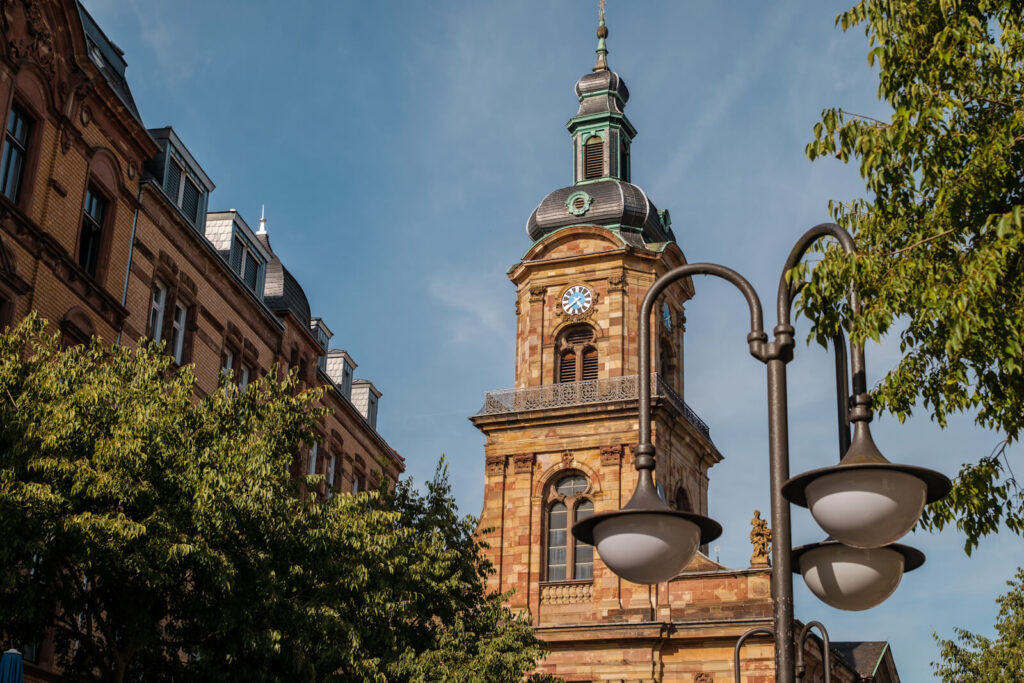
Not far from St. Johanner Markt stands Basilika St. Johann, an elegant Baroque church built in the 18th century. It was designed by Friedrich Joachim Stengel, the architect responsible for several other important buildings in Saarbrücken. The colour of the façade, the graceful tower and the many architectural details make the basilica one of the city’s most attractive churches.
Ludwigskirche and the beautiful Ludwigsplatz
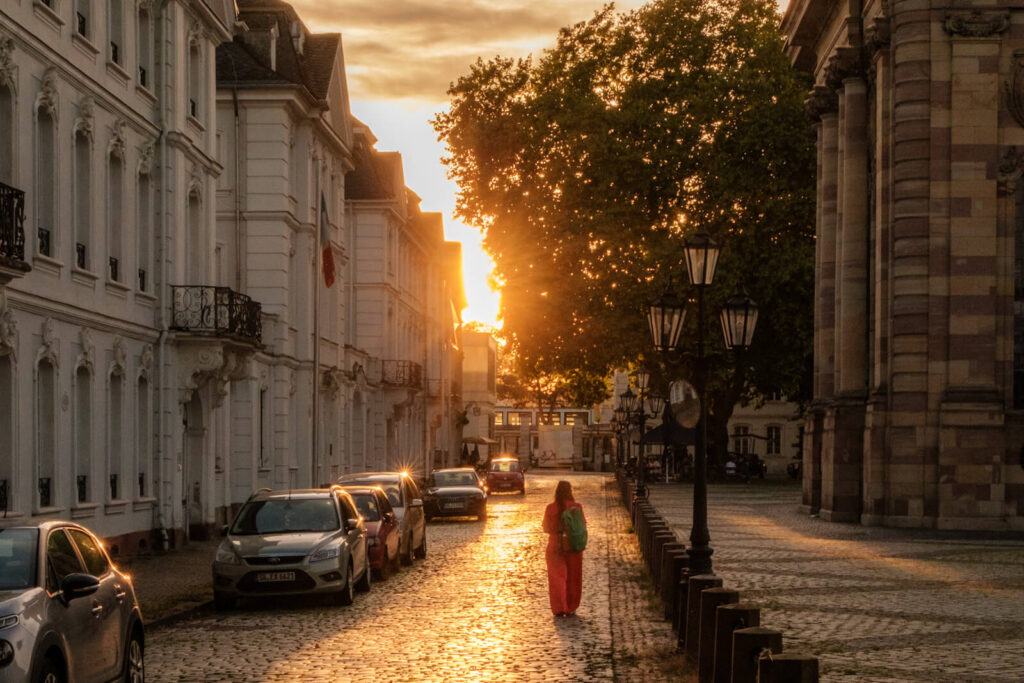
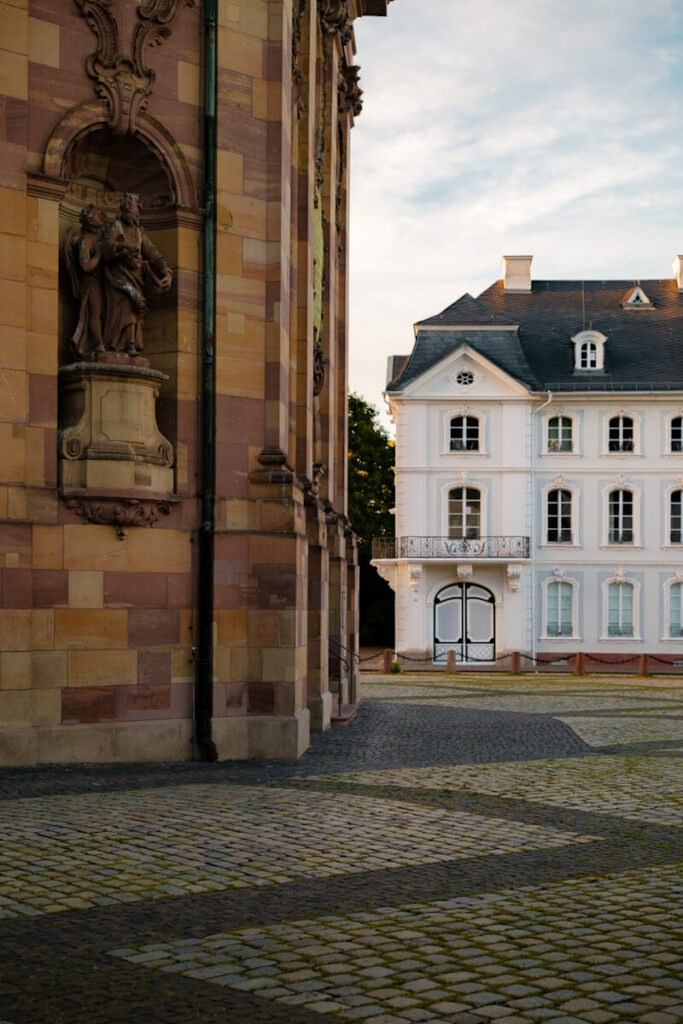
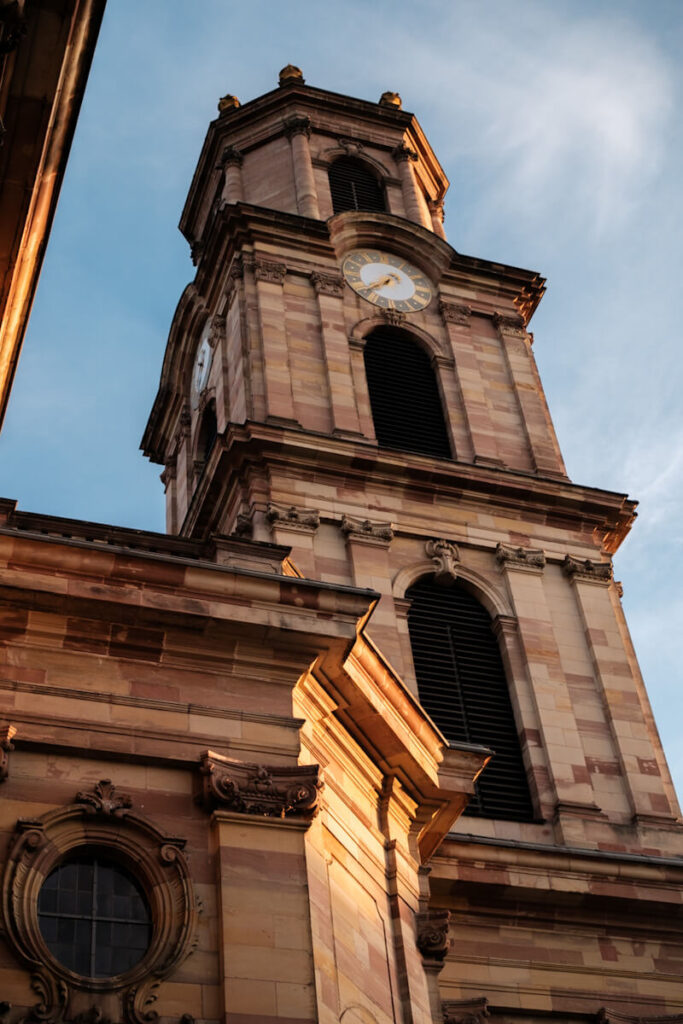
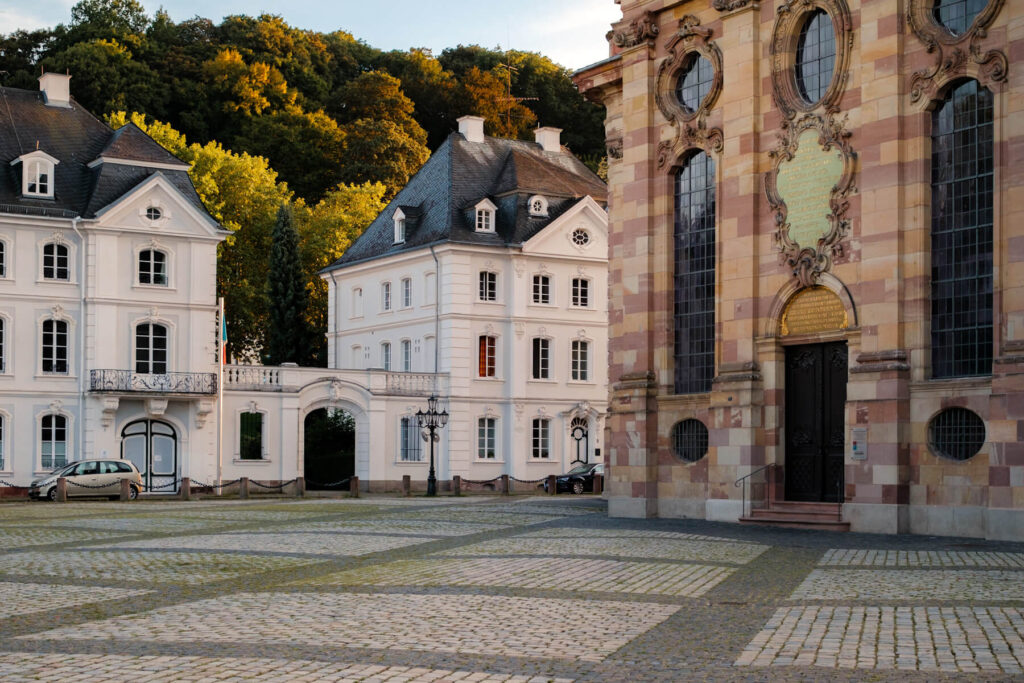
For me, Ludwigsplatz is undoubtedly one of the most photogenic places in Saarbrücken. This spacious square is dominated by Ludwigskirche, surrounded by elegant white buildings that create a beautifully balanced architectural setting. The church was built in the 18th century, also to a design by Friedrich Joachim Stengel, and is considered one of Germany’s most important Protestant Baroque churches. During the Second World War, both the church and many of the surrounding buildings were severely damaged. They were largely reconstructed after the war, preserving the historic character of the square.
I particularly enjoy this part of the city towards the end of the day, when the low sunlight gives the buildings a warm glow. The large trees around the square cast interesting shadows and create lovely views between the buildings. If you enjoy photography, you could easily spend quite some time here. It is also worth wandering through the streets surrounding Ludwigsplatz, where you will find historic houses, attractive façades and small, quiet squares. This part of Saarbrücken feels quite different from the busier shopping streets on the opposite side of the River Saar.
Cross the River Saar on the Alte Brücke
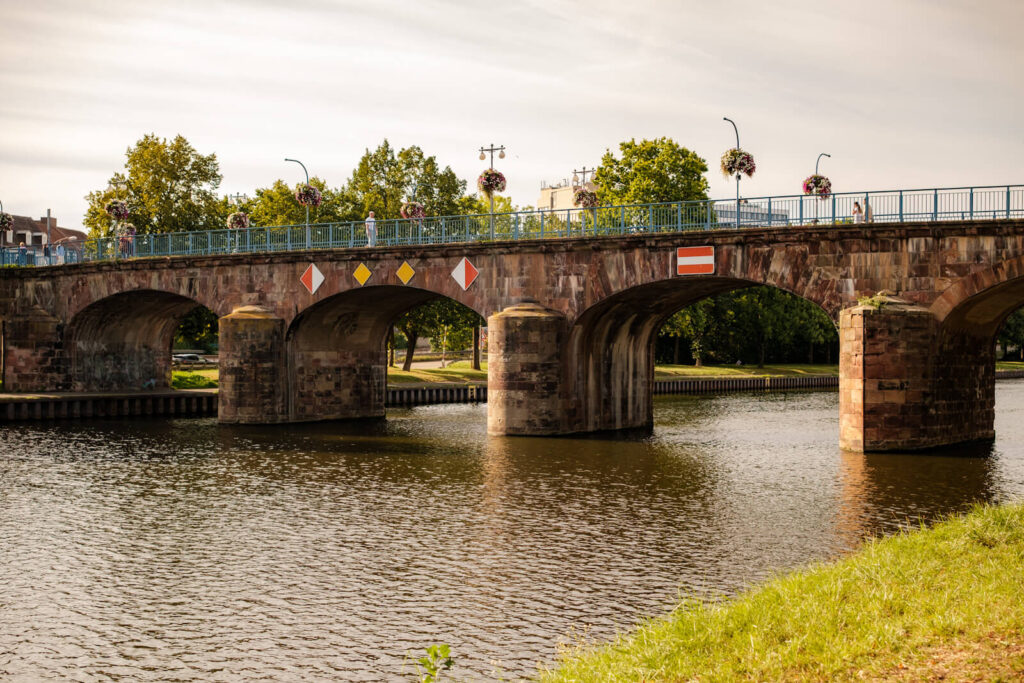
The River Saar flows through the heart of the city and several bridges connect its historic districts. The old stone bridges and views across the water make a walk along the river particularly enjoyable. The best known is the Alte Brücke, or Old Bridge, which dates from 1546. It connects Alt-Saarbrücken with St. Johann and is one of the oldest surviving structures in the city. Originally, the bridge had fourteen arches, although only eight remain visible today. Over the centuries, it has been altered and restored several times, including repairs following damage during the Second World War.
Saarbrücker Schloss and Schlossplatz
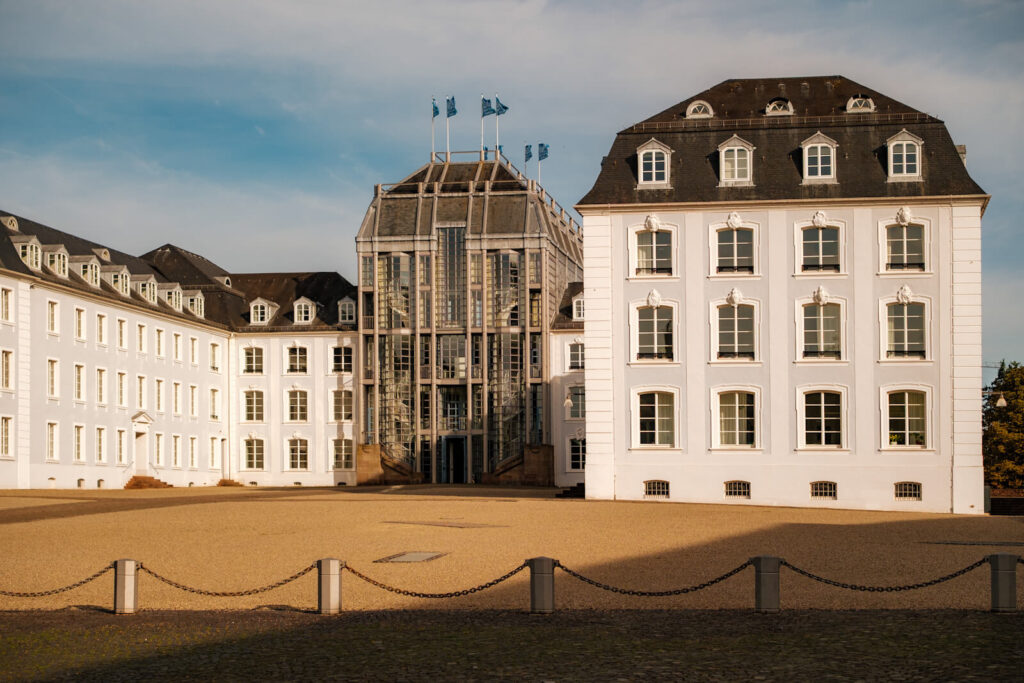
From the Alte Brücke, you have a lovely view of Saarbrücker Schloss, the castle standing slightly above the river. The building has a long history and has been altered several times over the centuries. Today, its architecture combines Baroque features with modern elements. In front of the castle lies Schlossplatz, a spacious square surrounded by historic buildings. Nearby stands the Schlosskirche, a Late Gothic church and one of Saarbrücken’s older architectural landmarks.
Discover modern art at the Saarlandmuseum
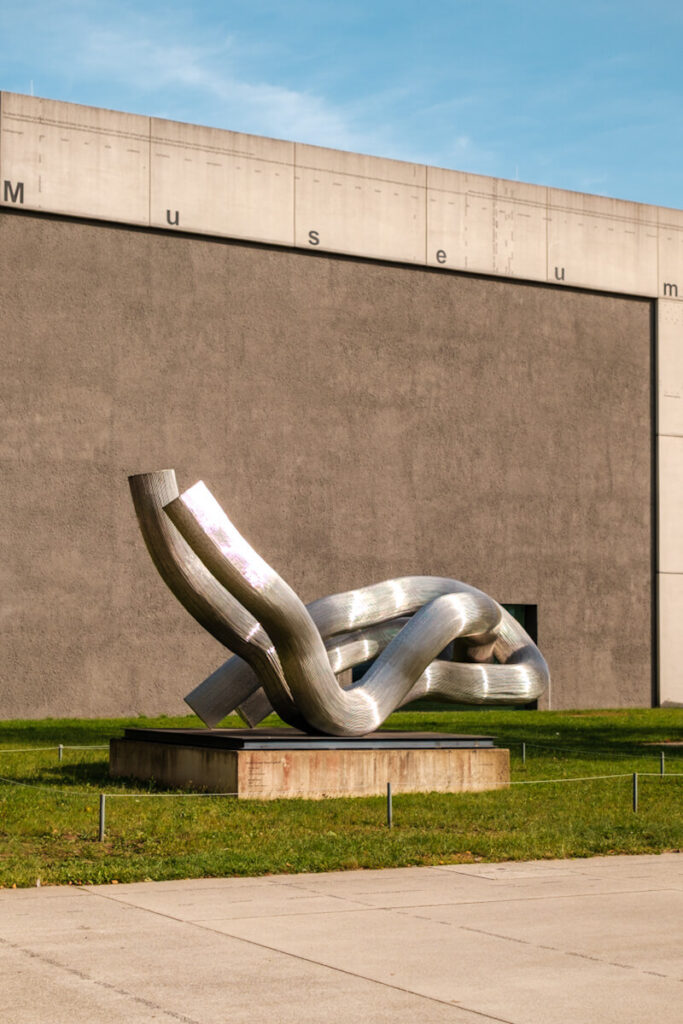
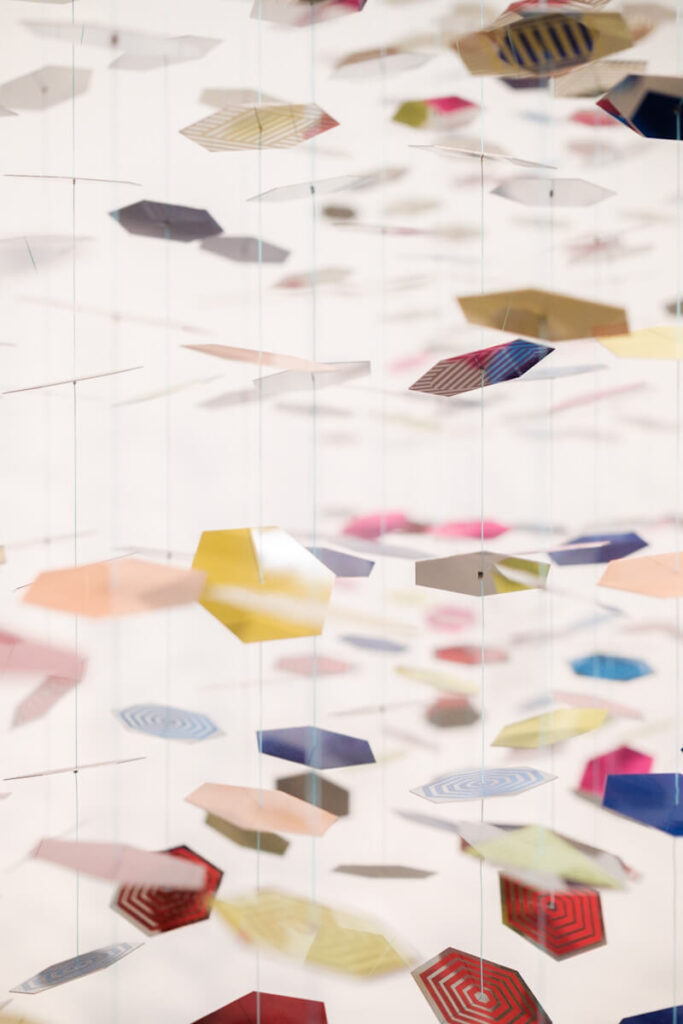
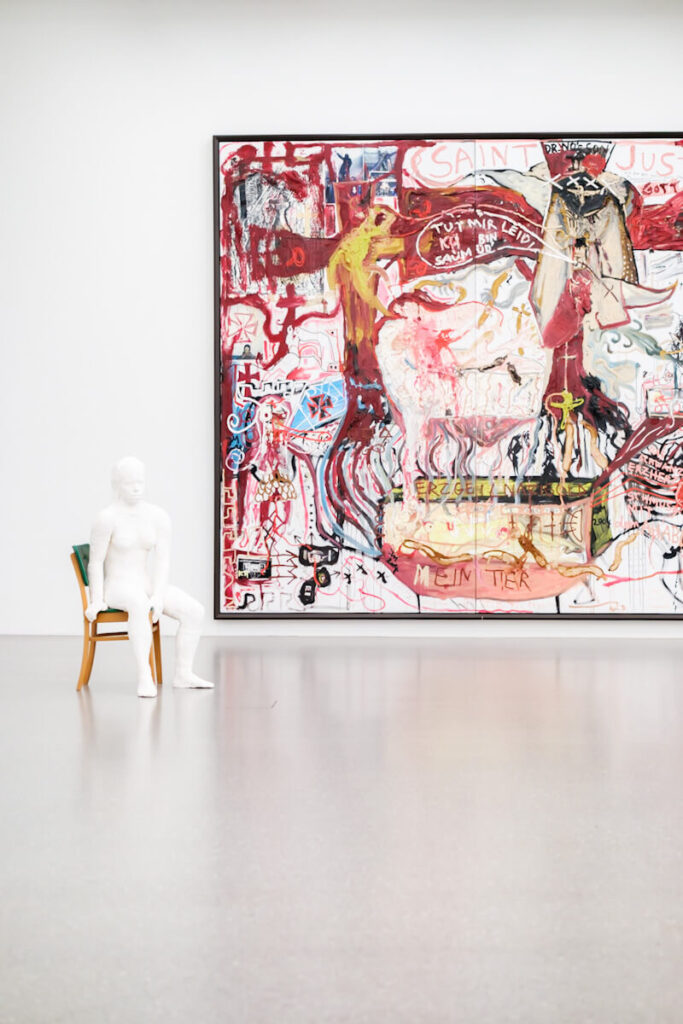
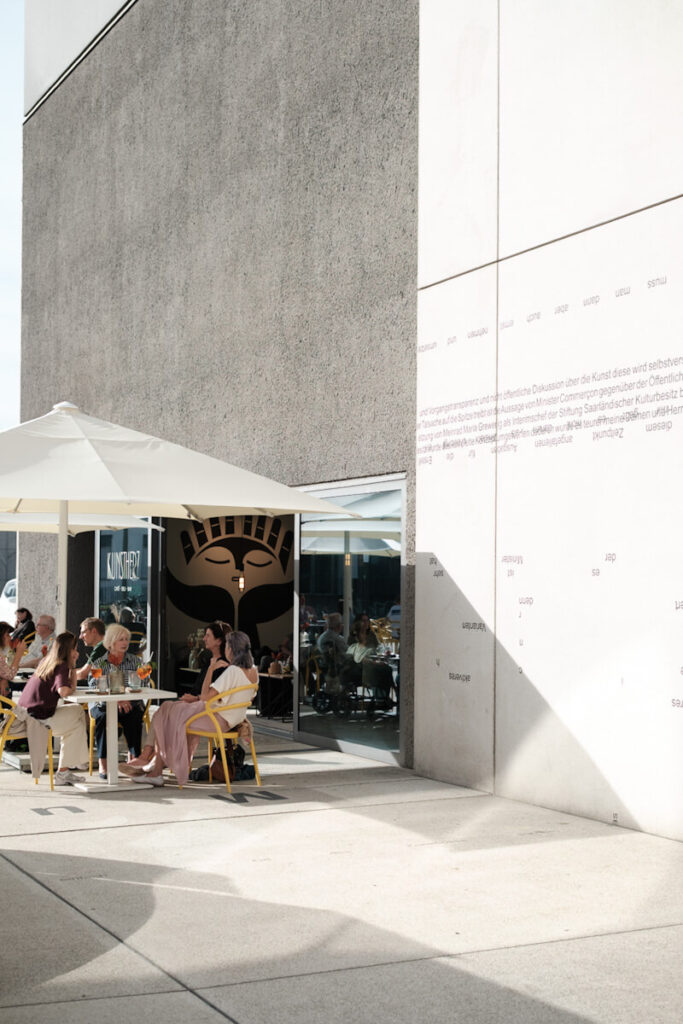
There is more to Saarbrücken than historic architecture. The city also has an interesting cultural scene, with the Saarlandmuseum among its best known museums. The museum is spread across several locations and I visit the Moderne Galerie, which houses an extensive collection of art from the 19th century through to the present day. Inside, you will find paintings, sculptures and changing exhibitions. The building itself is worth taking a closer look at too. Its modern architecture, spacious galleries filled with natural light and clean lines provide an interesting contrast to the historic buildings elsewhere in the city centre.
Walk along the Saar and relax in Park Am Theater
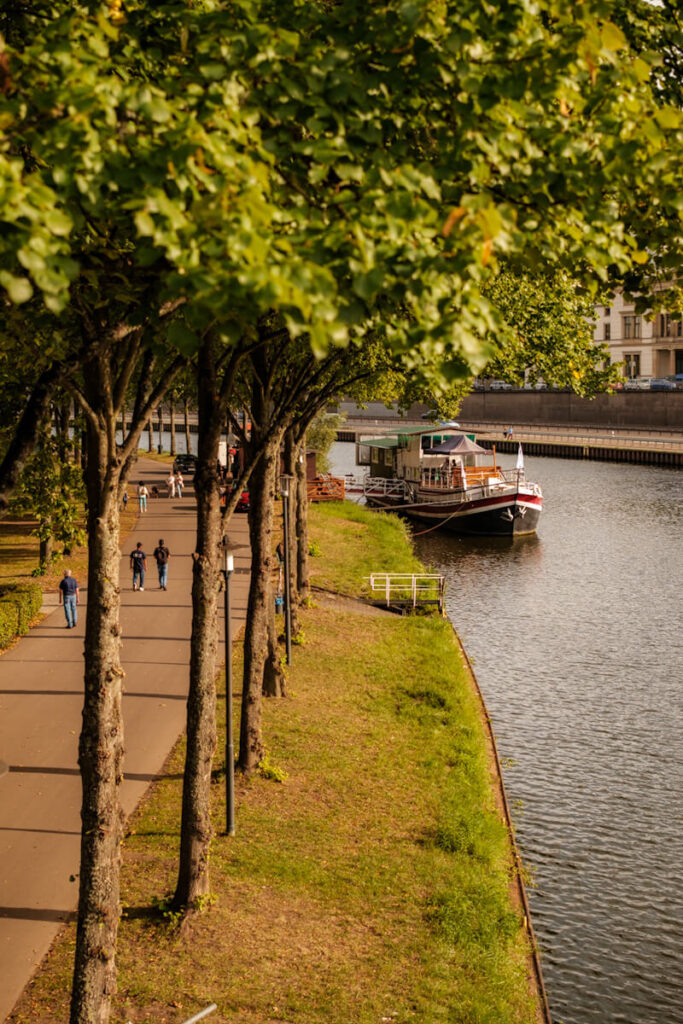
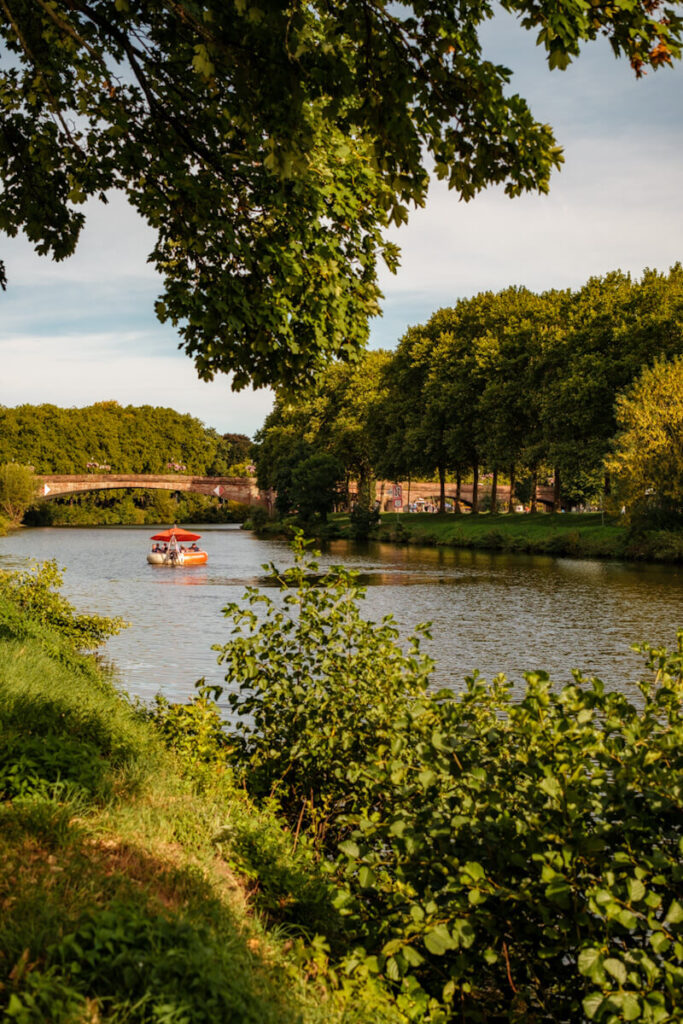
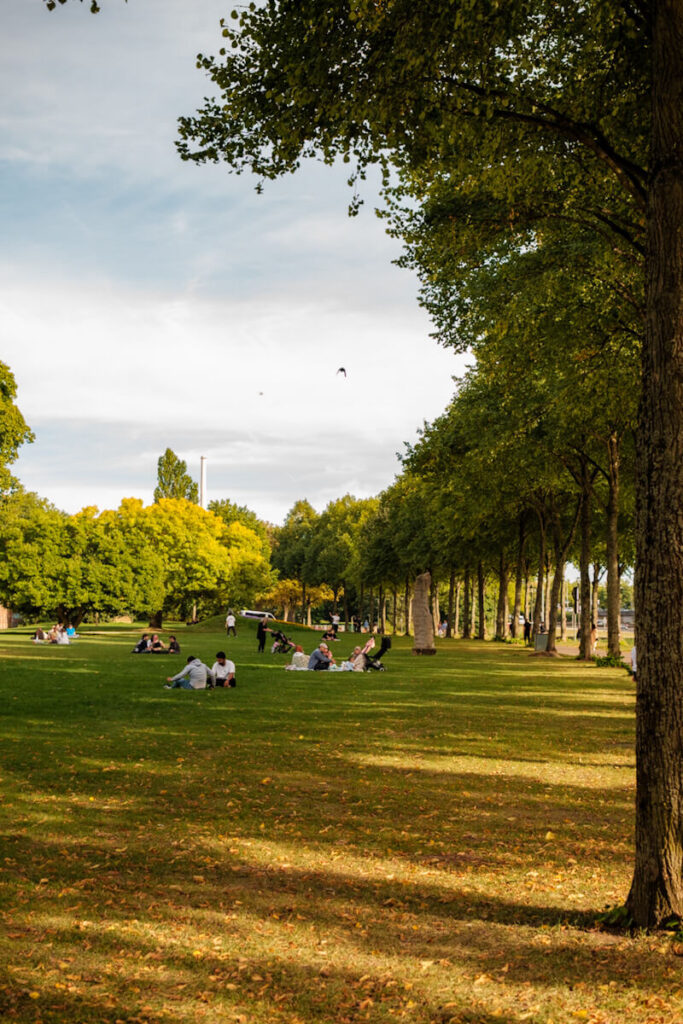
One of the nicest places to escape the busier streets of central Saarbrücken is Park Am Theater. This long stretch of greenery runs alongside the River Saar and is popular with both local residents and visitors. Large trees provide plenty of shade, wide paths follow the river and open lawns offer space to sit and relax. On sunny days, you will see people having picnics, walking, cycling or simply enjoying the weather. It is an easy place to spend a little time away from the streets of the city, with the river and surrounding greenery creating a completely different atmosphere.
Discover Saarbrücken’s food scene on a Genuss Tour
Saarbrücken is worth visiting not only for its architecture and historic sights, but also for its food. Its location close to France has given the city a strong culinary tradition, with German and French influences coming together in its restaurants and cafés. Throughout the centre, there are plenty of bistros, small eateries and places to stop for something to eat or drink.
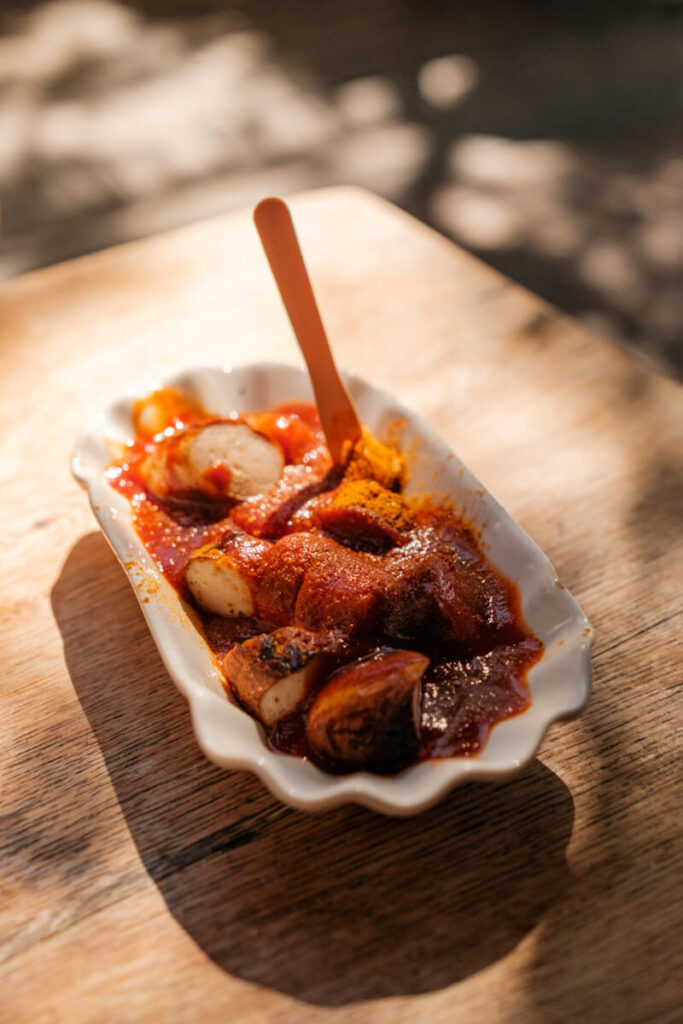
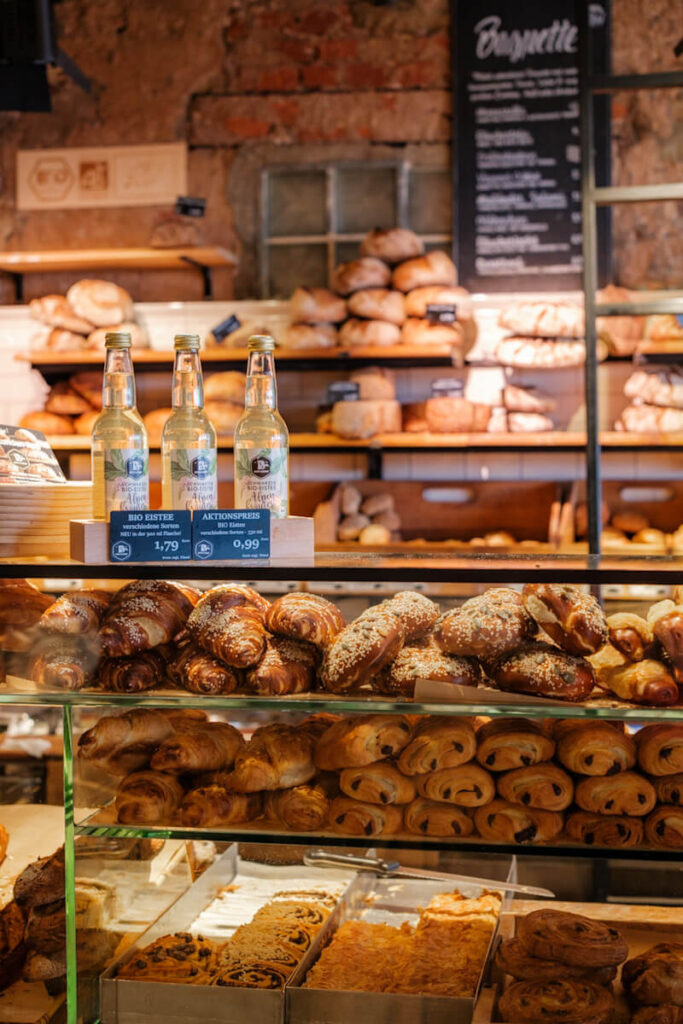
One enjoyable way to discover the local food scene is on a Genuss Tour, a guided culinary walk that takes you to several different places to sample small dishes and regional specialities. It is a relaxed way to combine sightseeing with trying some of the city’s food. During my tour, I discover excellent currywurst at Kalinski, traditionally baked bread at Brot und Sinne and homemade ice cream at Henry’s Eismanufaktur. If you enjoy flammkuchen, a thin, crisp Alsatian speciality with various toppings, Flammerie is also a lovely place to visit for dinner.
Places to visit near Saarbrücken
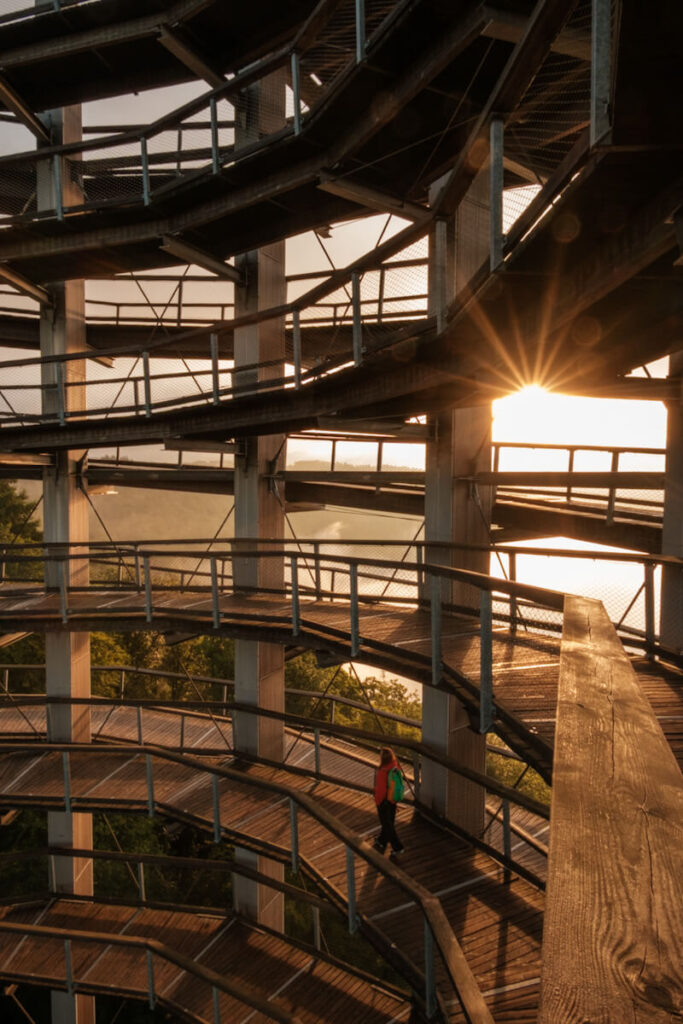
A trip to Saarbrücken is easy to combine with several interesting places in the surrounding region. Around 45 minutes away by car is the Saarschleife, a dramatic bend in the River Saar that you can admire from the Cloef viewpoint. Another way to experience the landscape is by following the Baumwipfelpfad, a treetop walkway approximately 1,250 metres long. It leads to a 42 metre high observation tower with sweeping views across the river and forested hills.
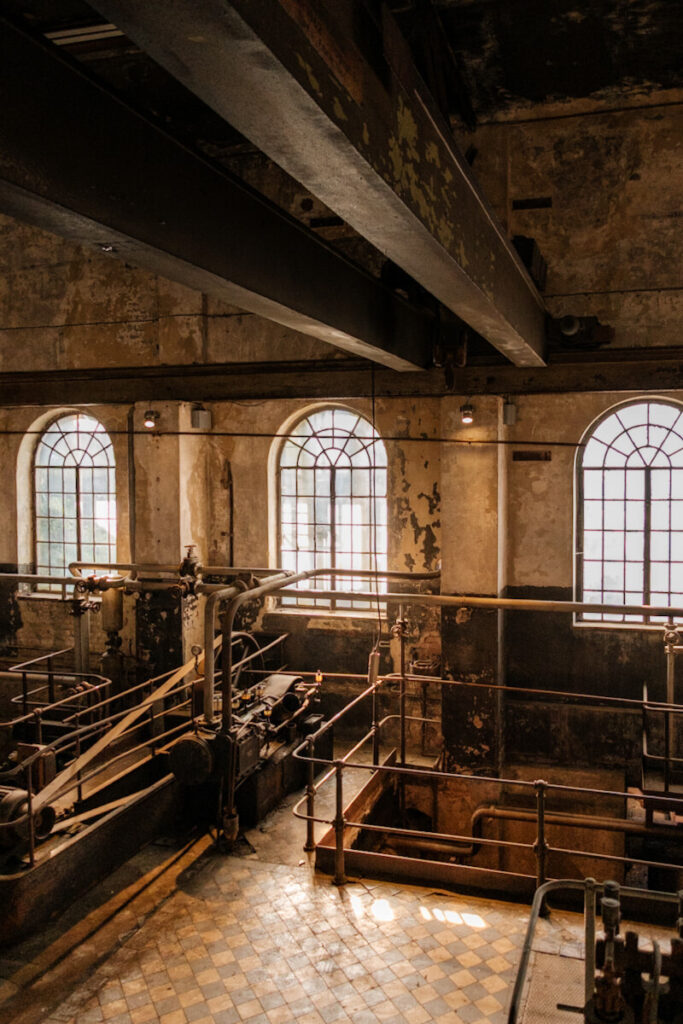
The Völklinger Hütte is also well worth visiting, just around 20 minutes from Saarbrücken by car. This former ironworks is a UNESCO World Heritage Site and an extraordinary example of industrial heritage. You can walk among enormous blast furnaces, old machinery and towering steel structures, getting a sense of the scale of the industry that once shaped this region.
Another lovely place to include in a trip through the area is Saarburg. This picturesque town has a charming historic centre with traditional timber framed houses, narrow streets and a waterfall around 20 metres high right in the middle of town.
How many days do you need in Saarbrücken and the surrounding area?
I would recommend allowing at least one full day to explore Saarbrücken itself. The historic centre is compact and many of the main sights are within walking distance, so you can see quite a lot in a single day. If you also want time for shopping, a visit to the Moderne Galerie and leisurely meals at some of the city’s restaurants, a second day is a good idea.
If you would like to combine Saarbrücken with the Saarschleife and Völklinger Hütte, two or three days is a comfortable amount of time. This gives you the opportunity to explore the city without rushing and visit some of the most interesting places nearby. A three day itinerary could look like this:
- Day 1: Explore Saarbrücken, wander past its historic buildings, browse the shops, visit the Saarlandmuseum and spend some time enjoying the restaurants and outdoor cafés.
- Day 2: Visit the Saarschleife, walk along the treetop walkway and explore the impressive Völklinger Hütte.
- Day 3: Spend a little more time in Saarbrücken before continuing your journey, perhaps stopping in Saarburg along the way.
Where to stay in Saarbrücken
If you are planning to spend a night or two in Saarbrücken, there are several convenient places to stay. The following three accommodations are well reviewed and offer a practical base for exploring the city and the surrounding region. The accommodation section in the original article features Motel One Saarbrücken, Holiday Inn Express Saarbrücken and Hotel Mühlenthal. The live hotel prices and review scores have been left out, as these can change.

Motel One Saarbrücken
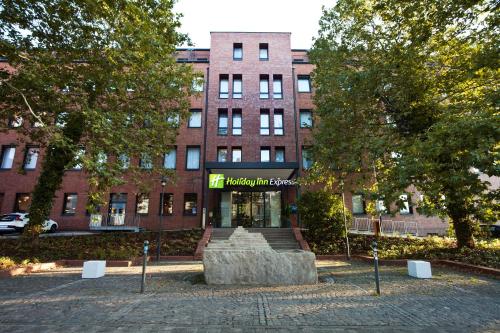
Holiday Inn Express Saarbrucken, An Ihg Hotel

Hotel Mühlenthal Gmbh
Practical tips for visiting Saarbrücken
Thinking about planning a city break in Saarbrücken? Here are a few practical things worth knowing before your visit, from how much time to allow and when to go to exploring the city on foot and visiting places nearby.
Is Saarbrücken worth visiting?
Yes, definitely. Saarbrücken is an enjoyable city with lively shopping streets, historic architecture, attractive squares and plenty of restaurants and cafés. Some of the highlights include Ludwigskirche and the elegant white buildings around Ludwigsplatz, the Neo-Gothic Rathaus St. Johann and the historic bridges across the River Saar. The green parks along the river also make it a pleasant city to explore at a relaxed pace.
How many days do you need in Saarbrücken?
One full day is enough to see many of Saarbrücken’s main attractions. The historic centre is relatively compact and most places are within walking distance. If you also want to explore the surrounding area, including the Saarschleife and Völklinger Hütte, I would recommend staying for two or three days.
When is the best time to visit Saarbrücken?
Spring, summer and early autumn are lovely times to visit Saarbrücken. On sunny days, it is particularly enjoyable to wander through the city, sit outside at a café and spend time along the green banks of the River Saar.
September is a good month for a city break. The weather can still be pleasantly warm and the first autumn colours gradually begin to appear in the surrounding countryside.
Can you explore Saarbrücken on foot?
Yes, Saarbrücken is very easy to explore on foot. Most of the main attractions are in and around the historic centre, on both sides of the River Saar. The Alte Brücke and several other bridges make it simple to walk between the different districts. Stadenpark and the Moderne Galerie are also within walking distance of the centre.
How do you get to Saarbrücken by car?
Saarbrücken is located in southwestern Germany, close to the French border, making it a convenient stop on a road trip through this part of Europe. For example, the drive from Utrecht in the Netherlands takes around five hours, depending on traffic and the route you take. This makes Saarbrücken a practical destination for a weekend away or a short city break, particularly if you are already travelling through western Germany.
What can you visit near Saarbrücken?
There are several interesting places to explore around Saarbrücken. The best known is the Saarschleife, a dramatic bend in the River Saar that you can admire from a viewpoint or the treetop walkway above the forest. The Völklinger Hütte, a former ironworks and UNESCO World Heritage Site, is another fascinating place to visit. The picturesque town of Saarburg, with its waterfall right in the historic centre, is also a lovely addition to a trip through the region.