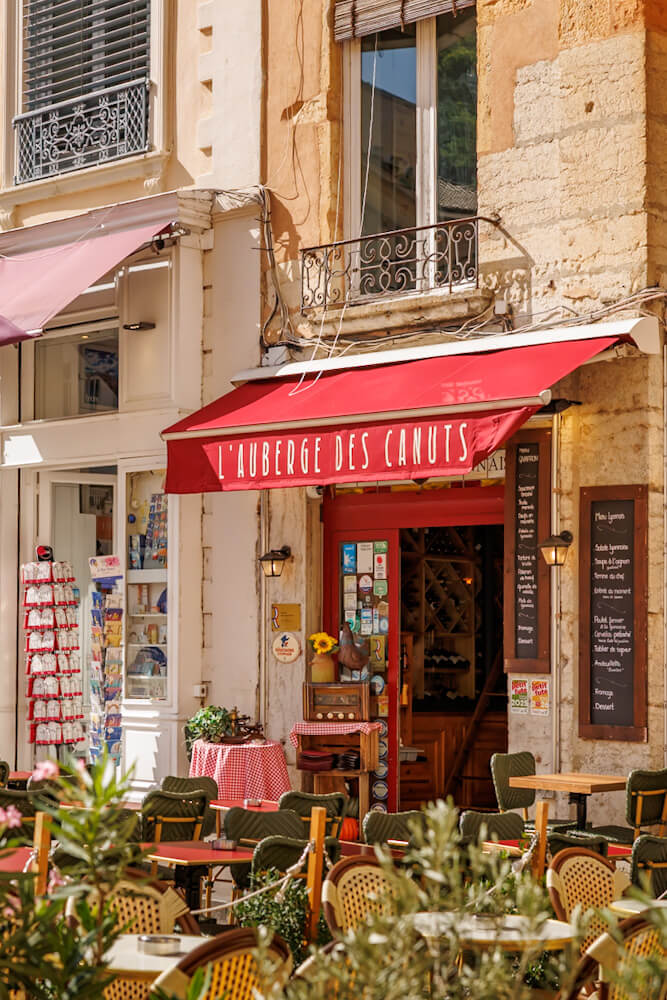
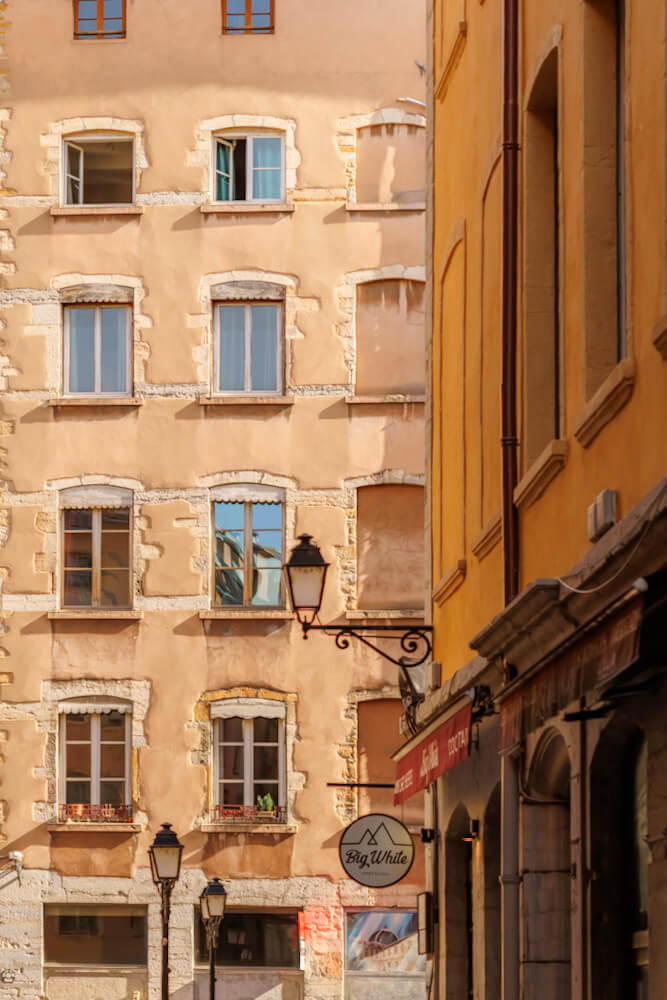
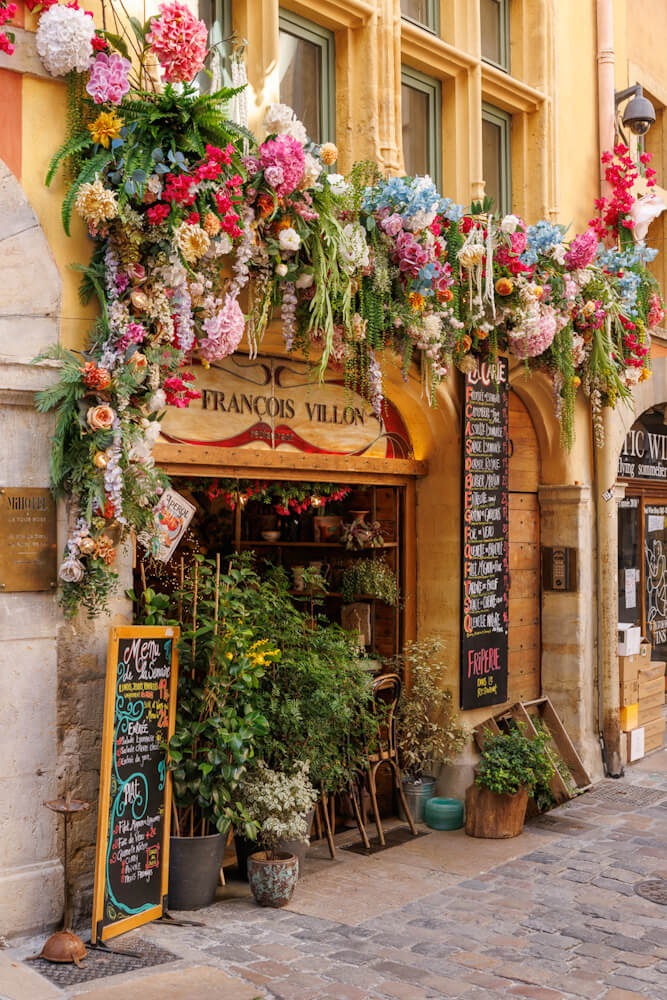
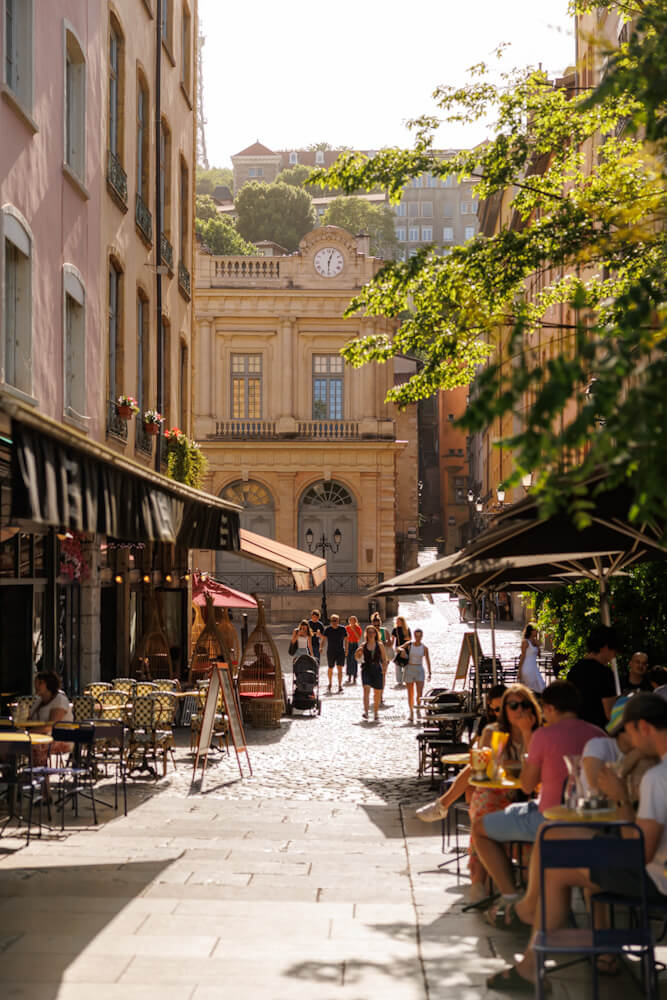
Vieux Lyon is a neighbourhood best explored without a plan. Narrow streets, colourful façades, hidden passageways and lively squares invite you to wander at your own pace. Around almost every corner you’ll come across another charming view, a quiet courtyard or a café terrace that makes you want to stop for a while. That constant sense of discovery is what makes a visit to the oldest part of Lyon so enjoyable.
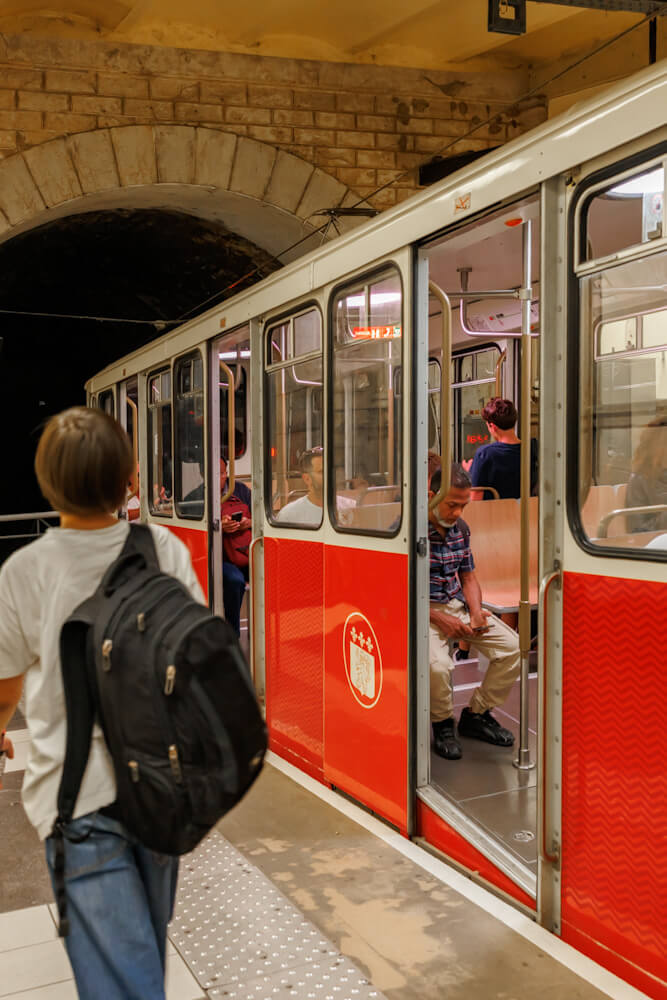
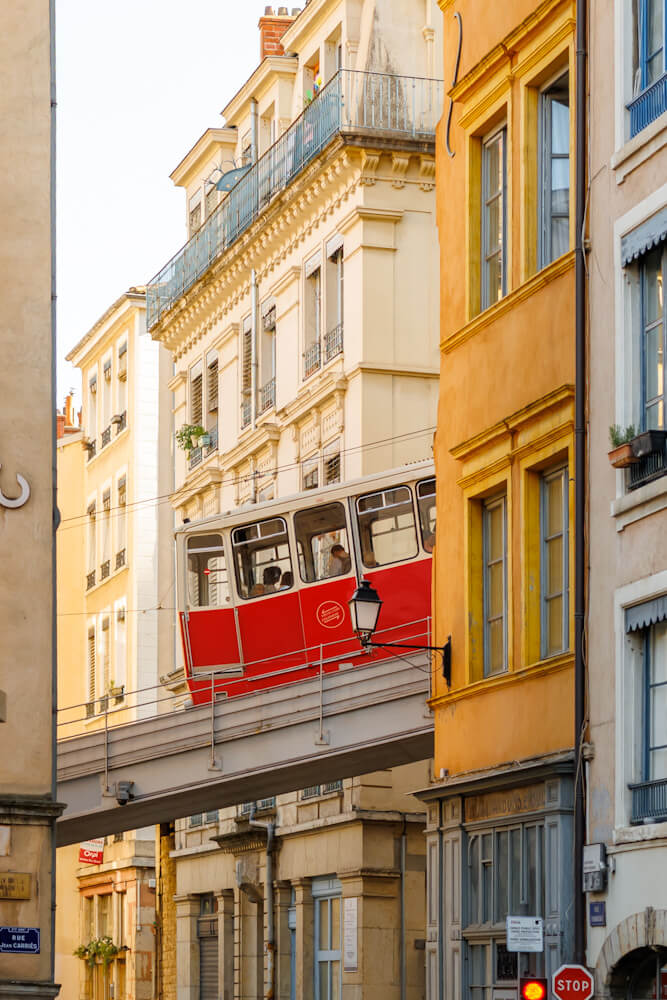
Read this article in DutchA walk through Vieux Lyon combines perfectly with a visit to Fourvière Hill. I take the historic funicular, which brings me from the hill to the Old Town in just a few minutes. If you prefer to walk, that’s a great option too. A network of steep streets and stairways leads downhill in around twenty minutes and eventually brings you into the narrow lanes of Vieux Lyon.
A neighbourhood steeped in history
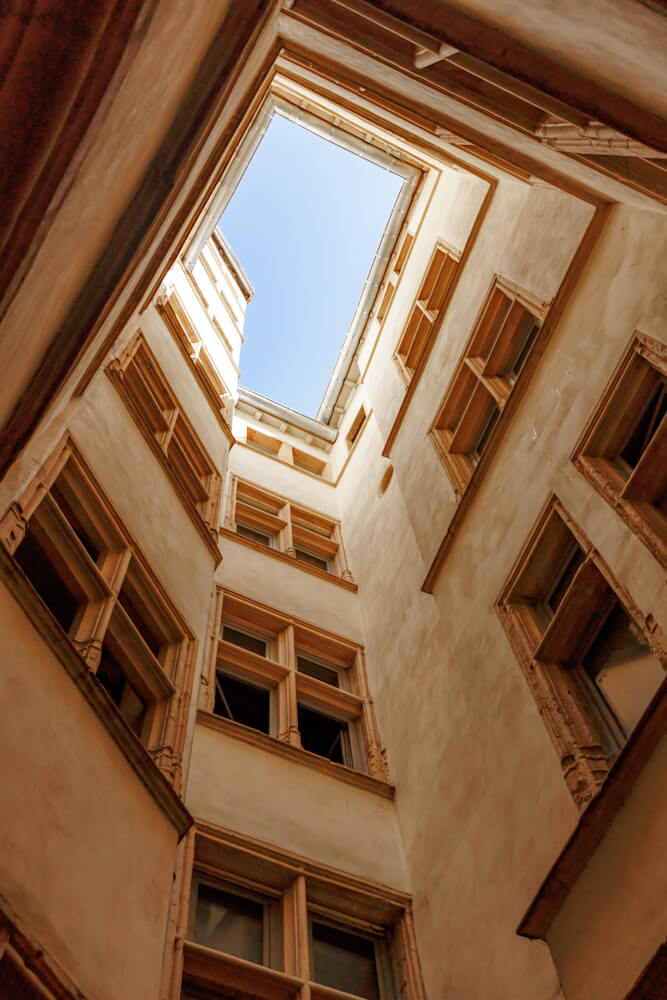
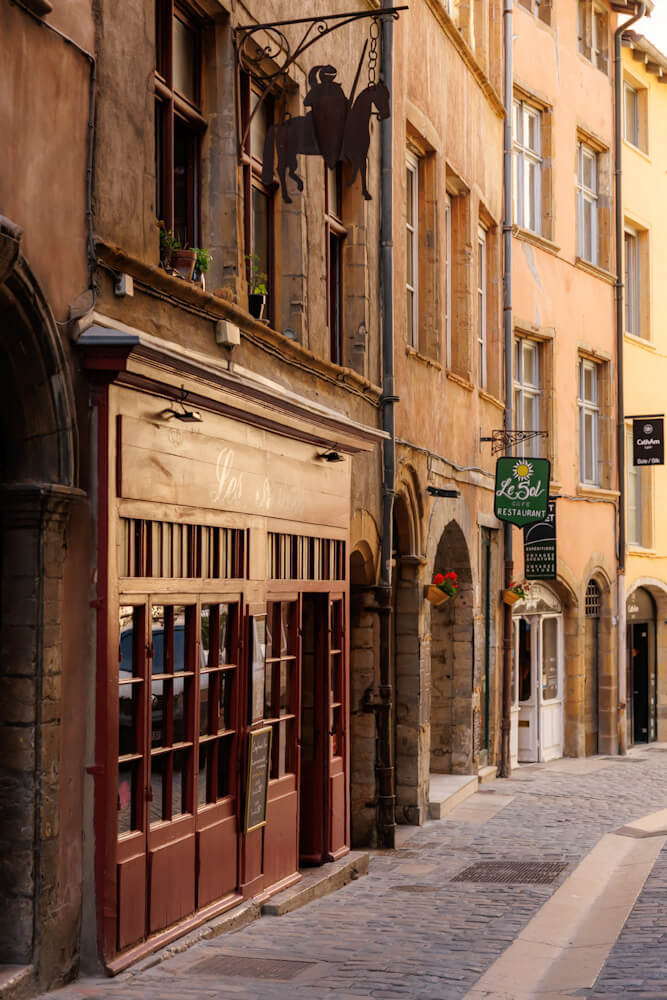
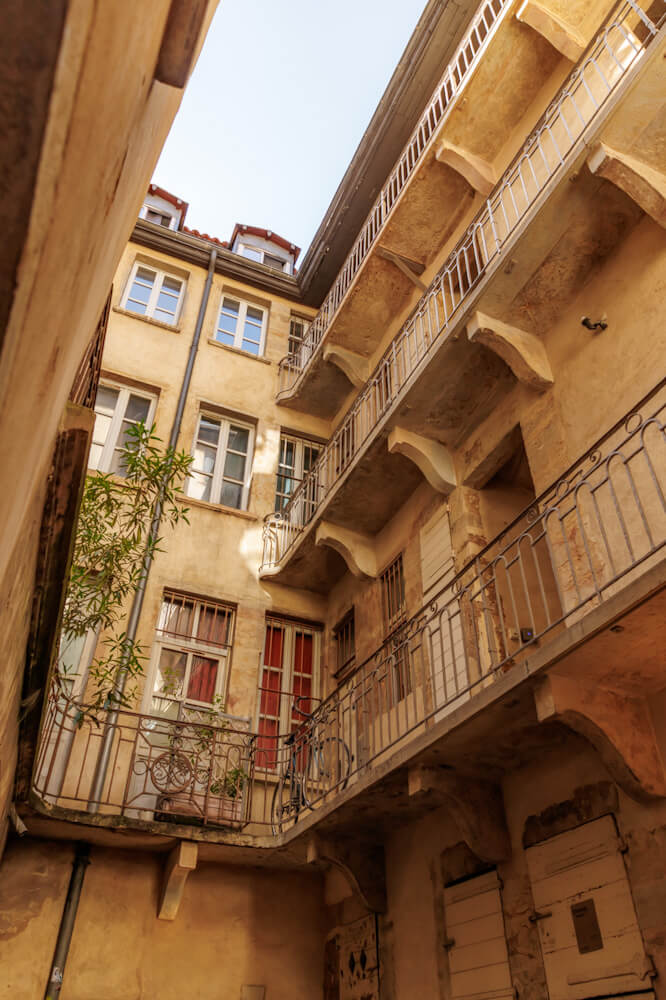
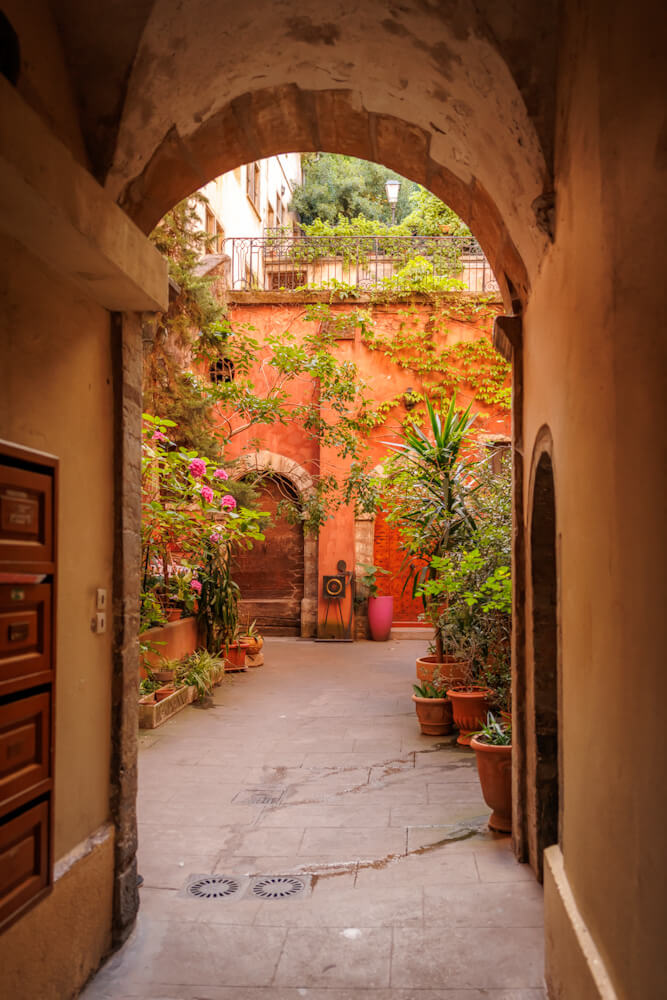
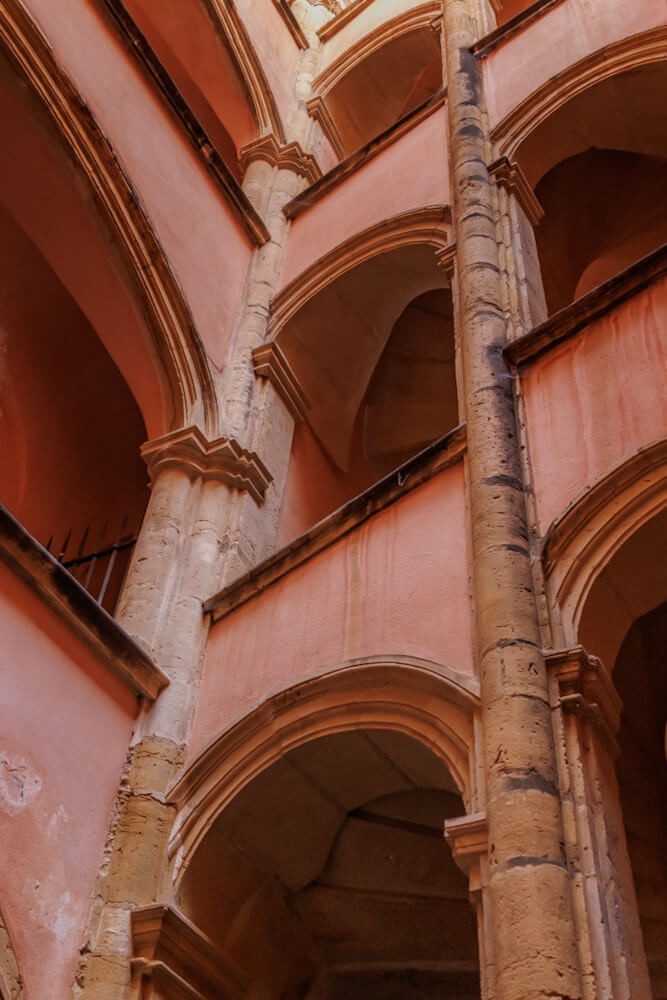
Vieux Lyon is one of the largest and best preserved Renaissance districts in Europe. Together with Fourvière it forms part of Lyon’s UNESCO World Heritage Site. While many historic city centres changed dramatically over the centuries, Vieux Lyon has remained remarkably intact. During the Renaissance, Lyon developed into one of Europe’s leading trading centres. Italian bankers and merchants settled in the city, building elegant townhouses around hidden courtyards and narrow streets. Their influence is still visible today in the colourful façades, graceful staircases and beautifully preserved inner courtyards that give the neighbourhood its distinctive character.
The hidden world of the traboules
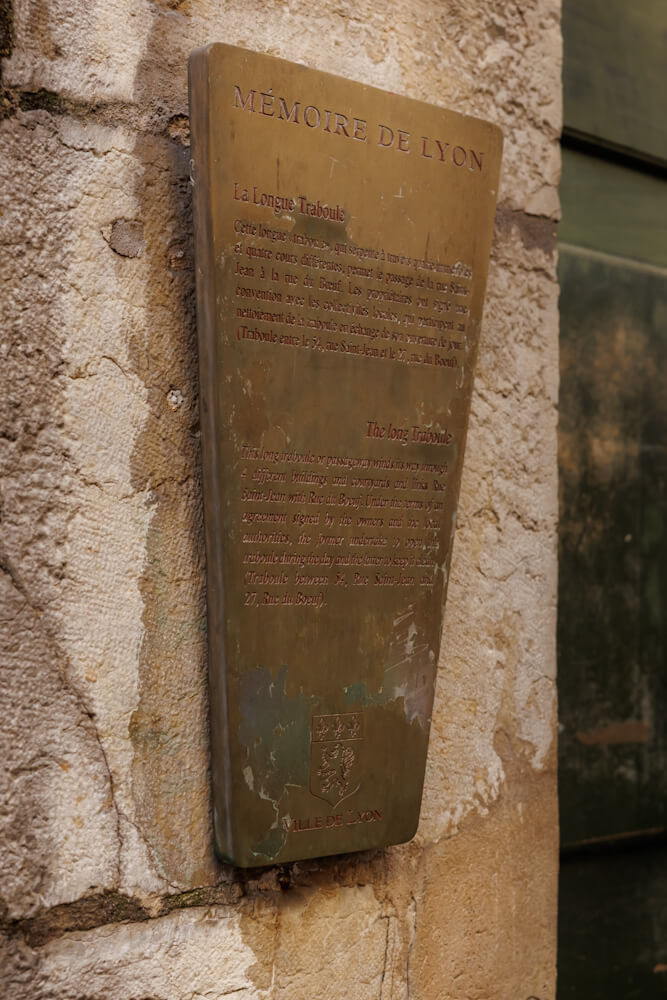
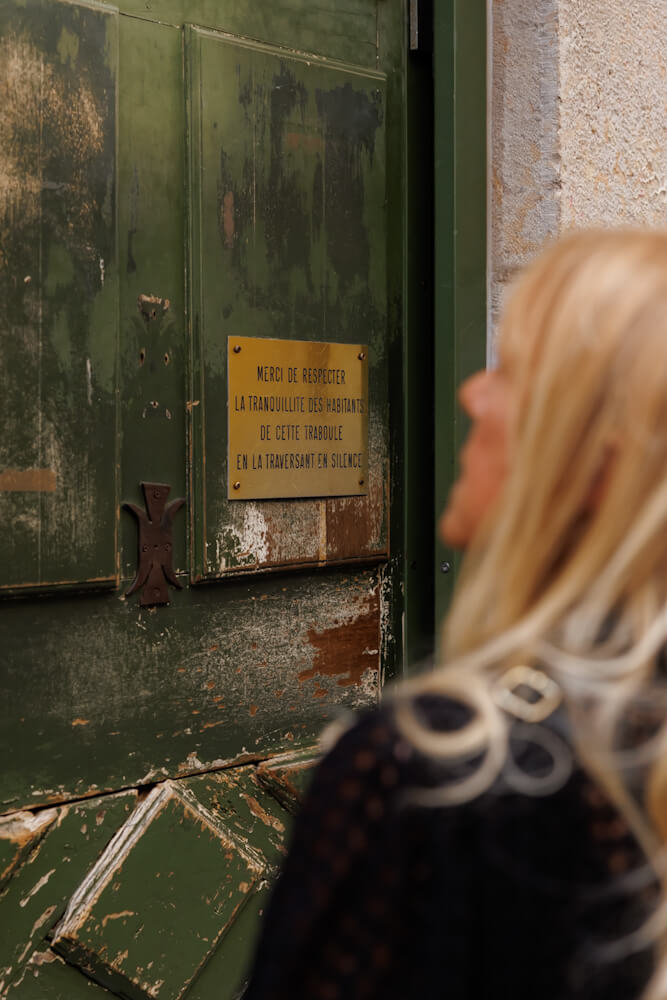
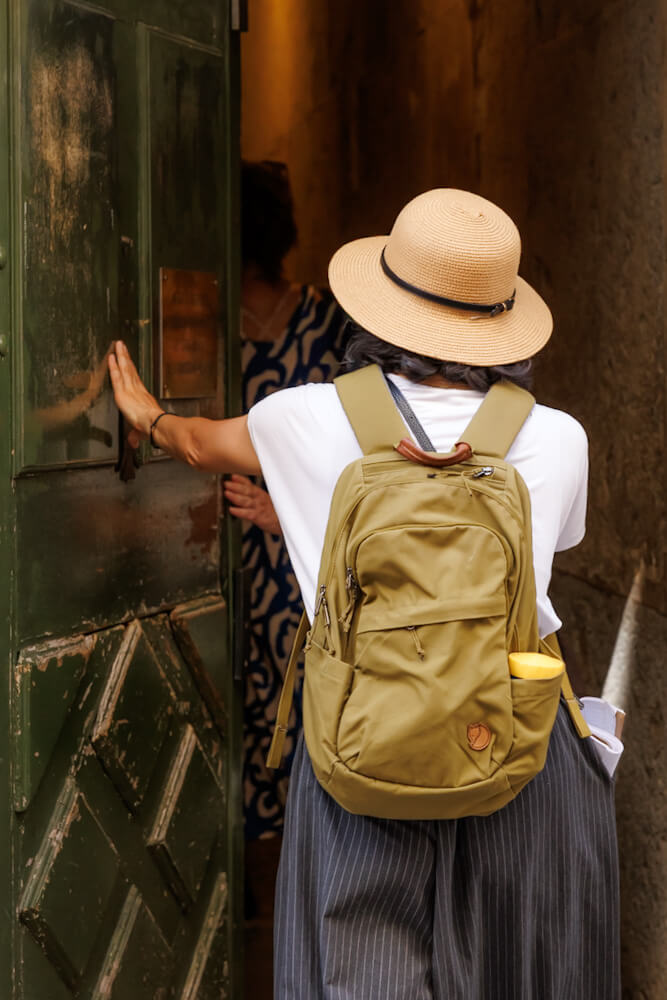
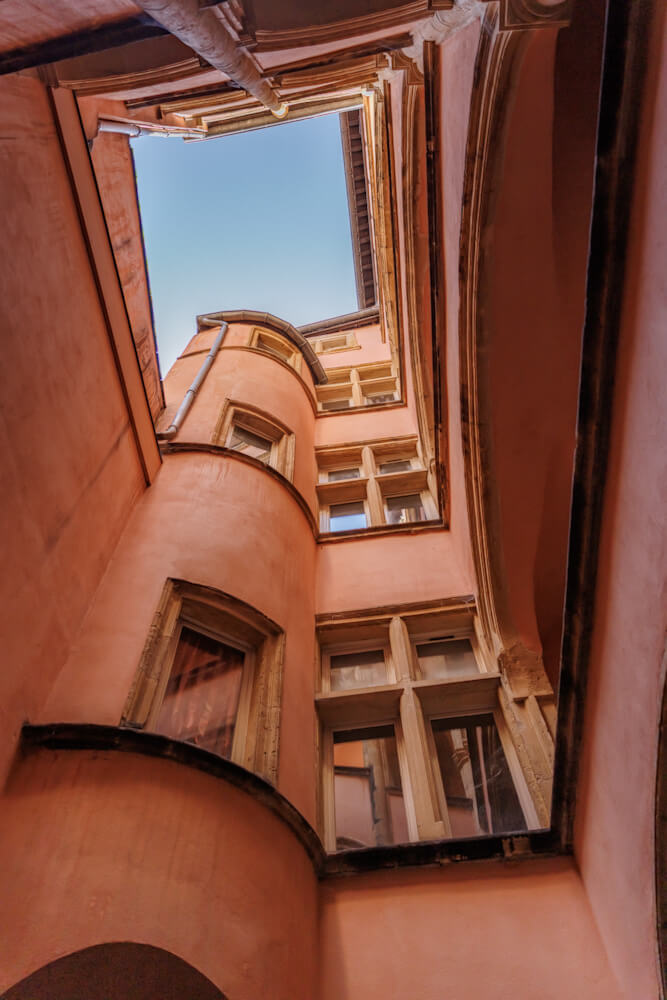
One of the most distinctive sights in Vieux Lyon is its network of traboules. These covered passageways connect one street to another through courtyards, galleries and staircases. The name is thought to come from the Latin trans ambulare, meaning “to pass through”. The first traboules appeared during the Middle Ages, although many of the passageways you can still visit today date from the Renaissance.
Originally, residents used the traboules as shortcuts through the densely built city. They later became an essential part of Lyon’s silk trade. The city’s famous silk weavers, known as the canuts, transported their valuable fabrics through these covered passages to protect them from rain and dirt. During the Second World War, the traboules once again proved their importance. Members of the French Resistance used the hidden passageways to move through the city without being seen.
There are around 400 traboules across Lyon, with roughly half of them located in Vieux Lyon. Most of the others can be found in Croix-Rousse, where many silk weavers once lived, and on the Presqu’île.
Not every traboule is open to visitors. Those that are accessible are usually marked with a small sign beside the entrance. No two traboules are alike, which makes stepping through each doorway feel like discovering a hidden corner of the city.
Wandering through the streets
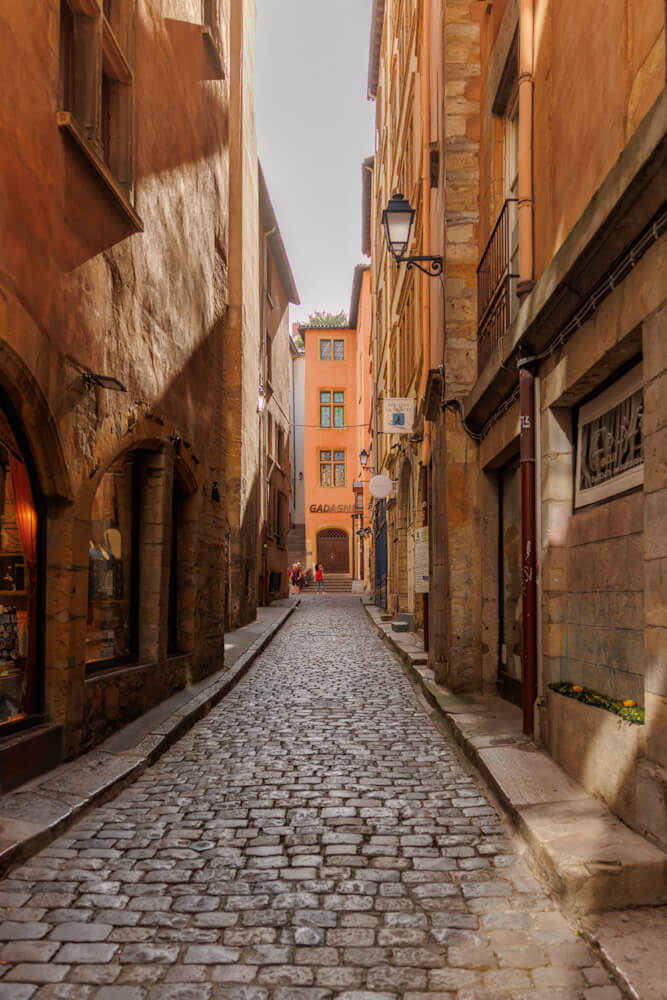
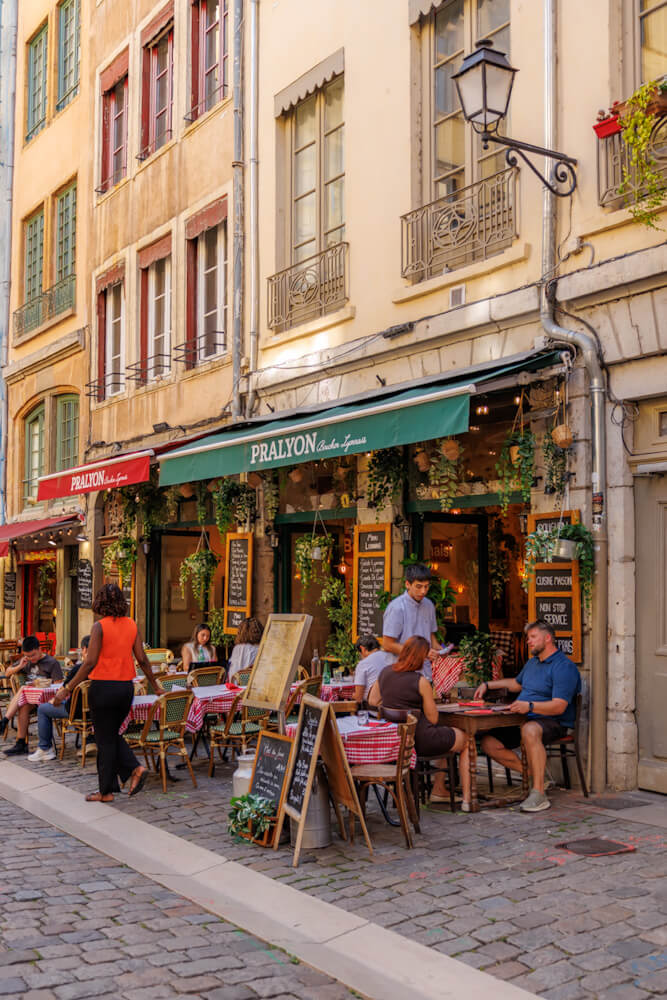
One of the best ways to experience Vieux Lyon is simply by wandering through its narrow streets. Rue Saint Jean is undoubtedly the neighbourhood’s best known street. It is lined with inviting café terraces, independent boutiques, artisan shops and historic buildings that constantly catch your eye. Place Saint Jean is another lively spot at the heart of the district. The square is home to the impressive Cathédrale Saint Jean Baptiste, whose construction took almost three centuries to complete. Inside, you can admire a remarkable astronomical clock that has fascinated visitors for centuries. One museum you might not expect to find in such a historic setting is the Musée Cinéma et Miniature. Its collection includes original film props from well known productions alongside incredibly detailed miniature worlds that look almost indistinguishable from the real thing.
Walking along the Saône
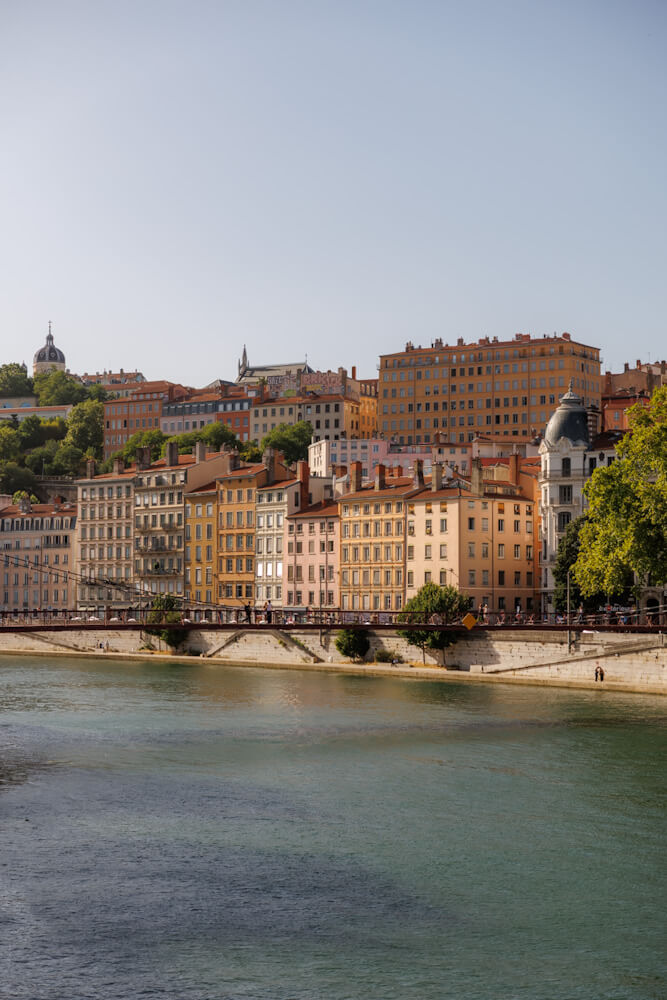
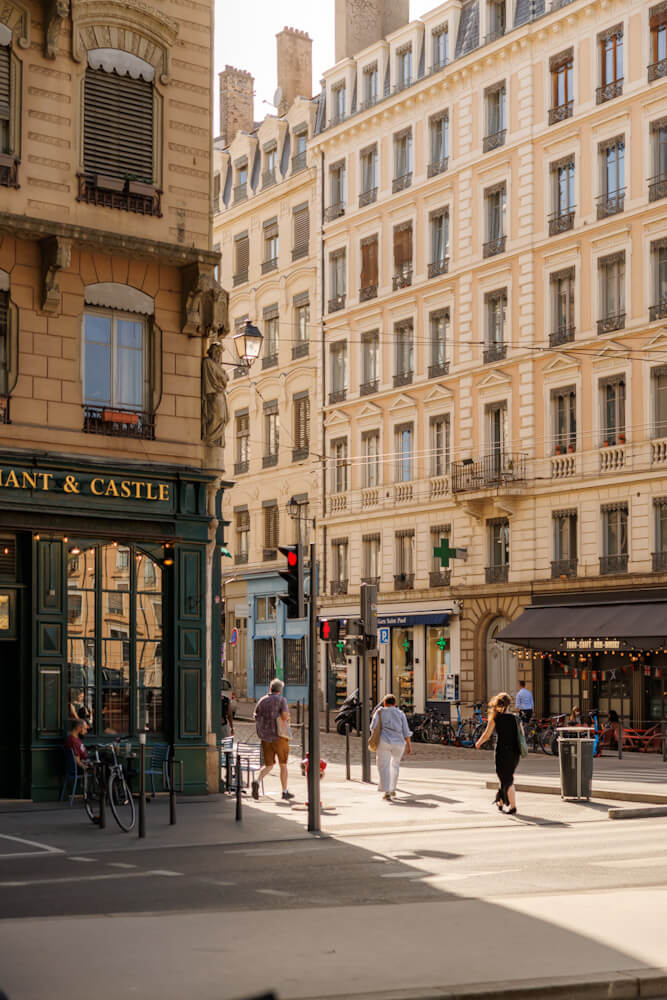
From the narrow streets of Vieux Lyon, it only takes a few minutes to reach the banks of the Saône. The atmosphere here is relaxed and the views across the river towards the colourful houses on the opposite bank are beautiful. This is especially enjoyable later in the day. Café terraces gradually fill up and when the sun is shining, the warm evening light gives this historic part of Lyon an even more inviting atmosphere. If you enjoy photography, it’s a wonderful place to spend some time.
Experience the atmosphere of a bouchon
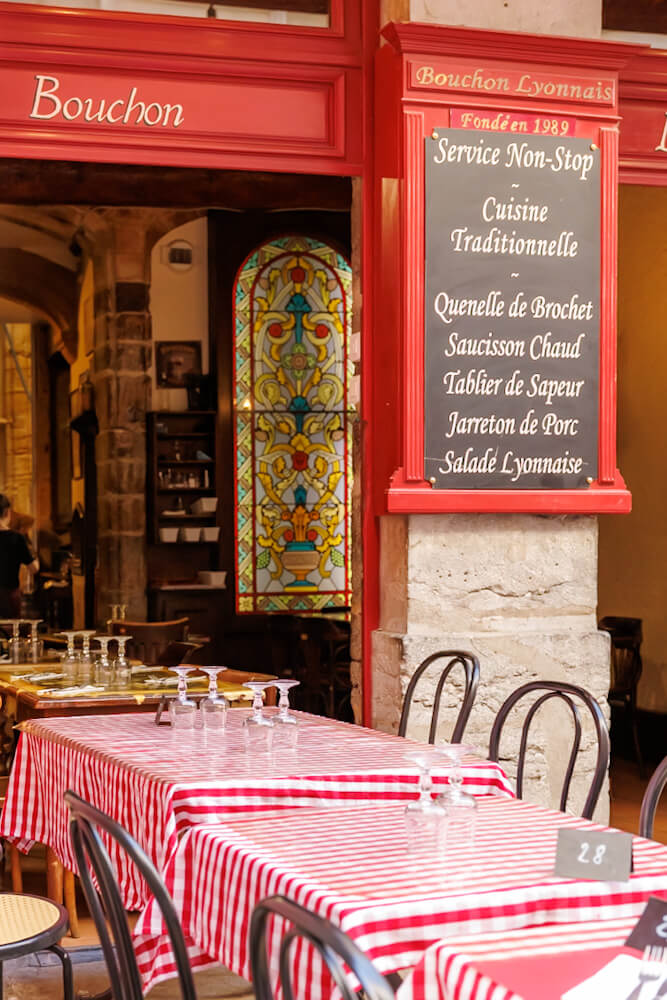
If there’s one experience not to miss in Vieux Lyon, it’s dining at a traditional bouchon. These typically Lyonnais restaurants have been part of the city’s culture for centuries and are known for their homemade dishes and relaxed atmosphere. Originally, bouchons were simple places where workers and silk weavers could enjoy a hearty meal. Many were run by the famous Mères Lyonnaises, women whose traditional cooking helped shape Lyon’s reputation as one of France’s great culinary destinations.
Today, a bouchon still celebrates local specialities, seasonal ingredients and genuine hospitality. Rather than a sleek, modern restaurant, expect a cosy setting where classic French cuisine takes centre stage. It’s easy to understand why Lyon is so often regarded as the gastronomic capital of France.
Staying in Lyon
If you’re looking for a comfortable place to stay in Lyon, Fourvière Hôtel is an excellent choice. The hotel is located on historic Fourvière Hill within walking distance of the basilica and the Roman theatres. It’s also a practical option if you’re travelling by car. You can leave your car at the hotel and avoid driving through the narrow streets of Vieux Lyon. After a day spent exploring the city, it’s a peaceful place to return to, with the quiet surroundings of the former monastery providing a welcome contrast to the lively streets below.


Other recommended places to stay in Lyon
These three centrally located hotels in Lyon are highly rated and offer good value for money.

Tribe Lyon Croix Rousse
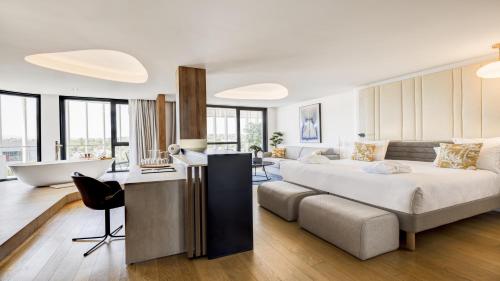
Golden Tulip Lyon Ouest Techlid - Hotel And Spa

Fourvière Hôtel
A stopover in Lyon on the way to southern France
If you’re travelling to the Drôme, Provence or the Côte d’Azur, Lyon makes an ideal stop along the way. Spending one night in the city gives you enough time to explore both Fourvière Hill and Vieux Lyon at a relaxed pace. The historic funicular connects the Old Town with the hill in just a few minutes, making it easy to visit both historic districts during the same stay. If your journey continues towards Spain, you could also consider stopping in Perpignan. Breaking up the drive with a couple of historic cities turns the journey itself into an enjoyable part of the trip.