A postman building a palace entirely on his own almost sounds like the beginning of a fairy tale. Yet that is exactly what Ferdinand Cheval did. For more than 33 years, alongside his work as a rural postman, he spent almost every spare moment turning an extraordinary dream into reality. With no formal training, no architect and no heavy machinery, he created a fantasy palace stone by stone that now attracts visitors from around the world. If you are planning a road trip through the Drôme, Le Palais Idéal is well worth adding to your itinerary. Not only because the building itself is so remarkable but above all because of the story behind it.
Read this article in DutchThe life of Ferdinand Cheval
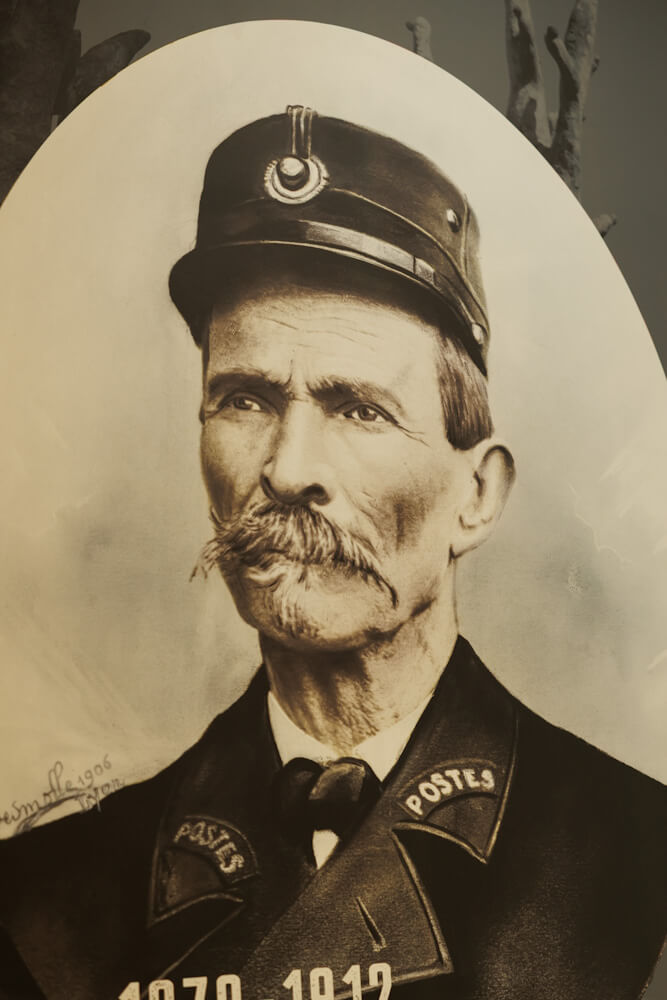
Joseph Ferdinand Cheval was born in 1836 in Charmes sur l’Herbasse, a small village in the Drôme region of southeastern France. His life was far from easy. He lost his first wife and several of his children at a young age and spent many years working hard simply to make ends meet. Eventually he became the village postman in Hauterives, walking around six hours each day to deliver mail to small villages and remote farms. It was a solitary route and during those long walks an idea slowly took shape that would change the course of his life forever.
The stone that started it all
In 1879, Cheval stumbled over an unusually shaped stone while delivering the mail. Fascivated by its form, he took it home with him. The stone sparked his imagination and over the following days he returned to the same spot in search of more. From that moment on, he looked at the landscape with different eyes. Everywhere he went, he saw stones that seemed destined to become part of the palace he had already begun to picture in his mind. At first he carried them home in his coat pockets. Before long he started bringing a basket and eventually he completed his daily postal rounds with a wheelbarrow so he could collect as many stones as possible.
A life’s work spanning 33 years
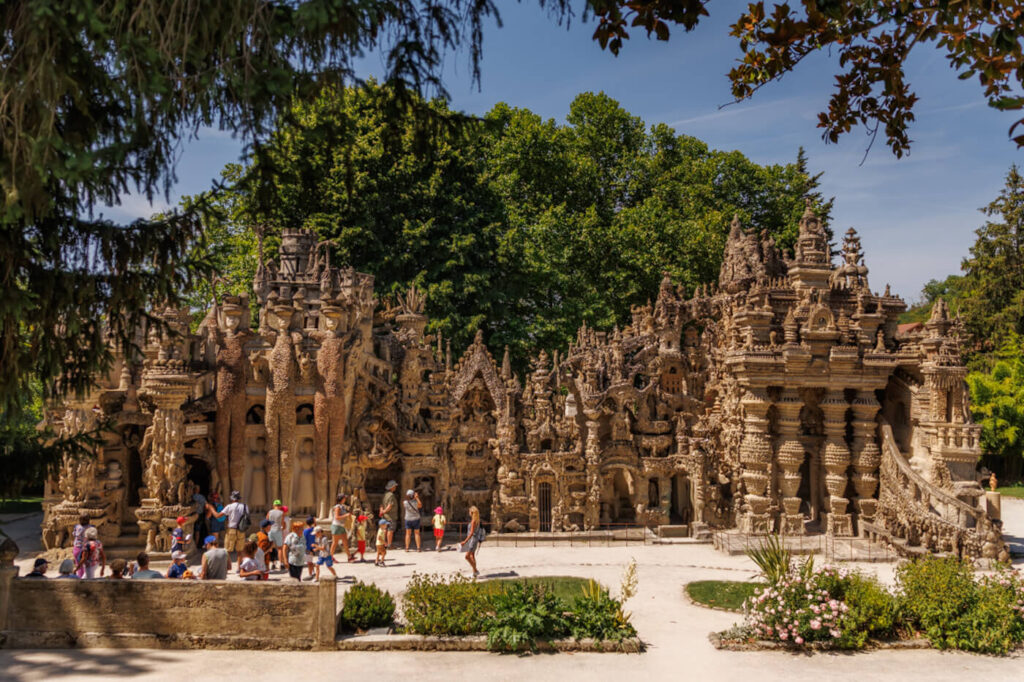
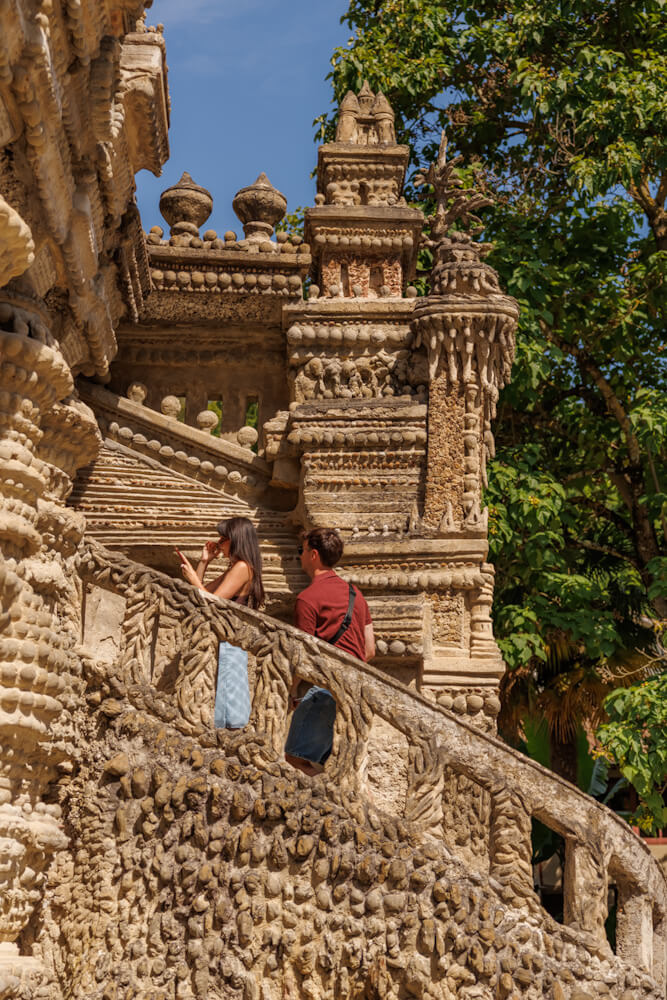
From the age of 43, Cheval devoted his evenings, weekends and days off to building his palace, a project that would occupy him for more than 33 years. He did everything himself, carefully stacking thousands of stones and using lime, cement and iron supports to gradually expand the structure. Over time, an imaginative world of towers, staircases, grottoes, animals and intricate sculptures began to emerge. Walking through it today, it is almost impossible to imagine that a single person created it all by hand.
Inspiration from around the world
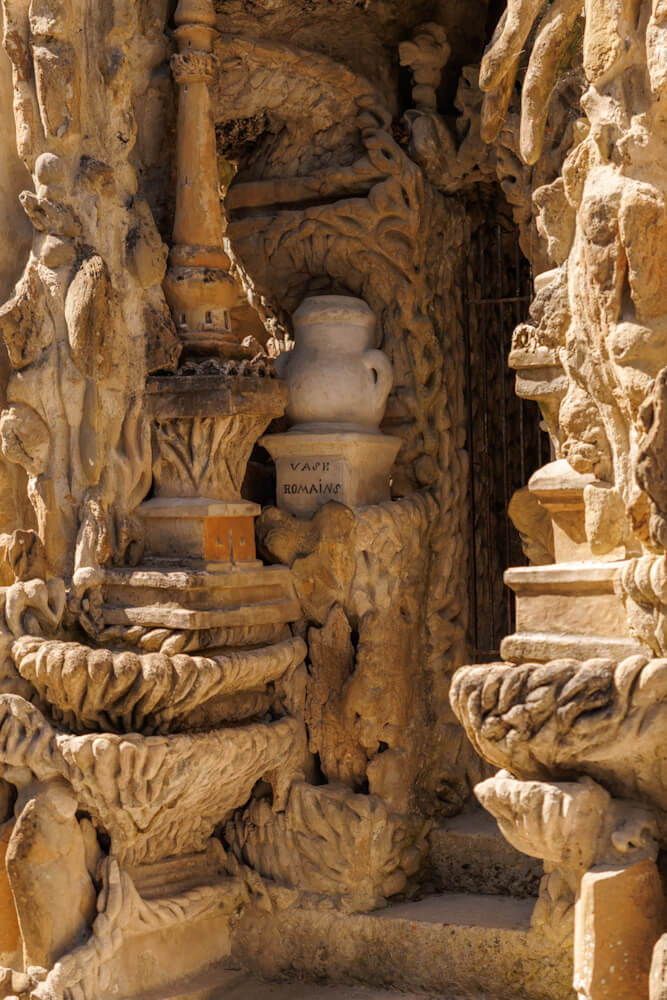
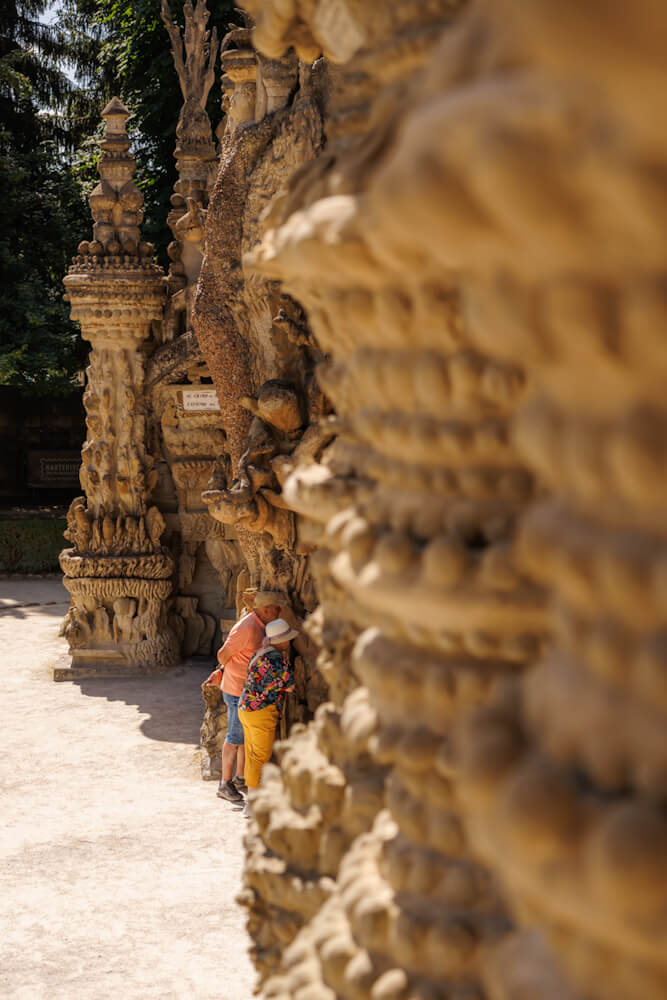
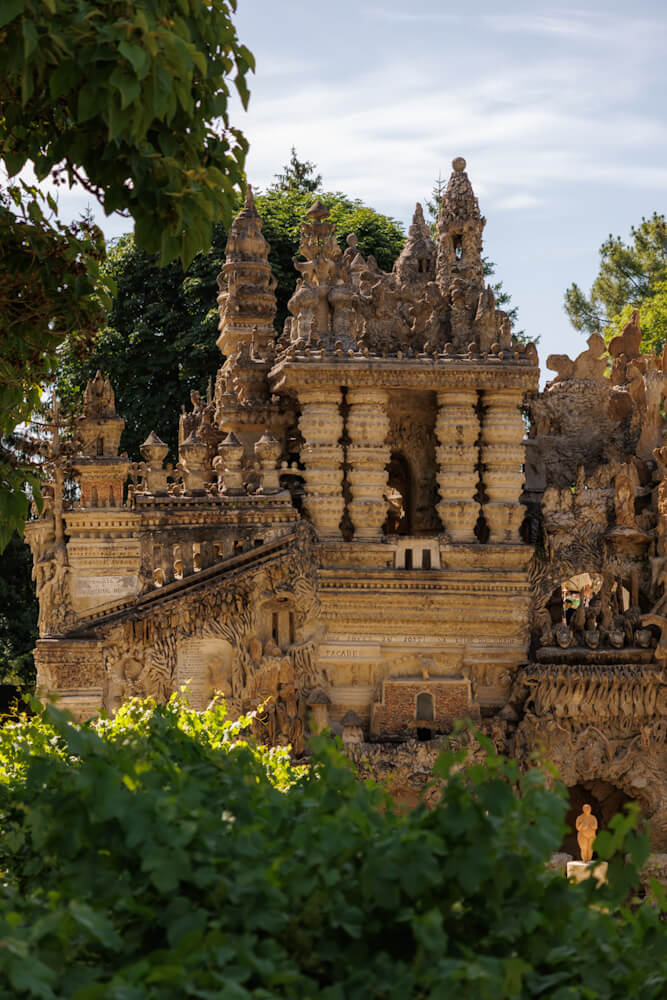
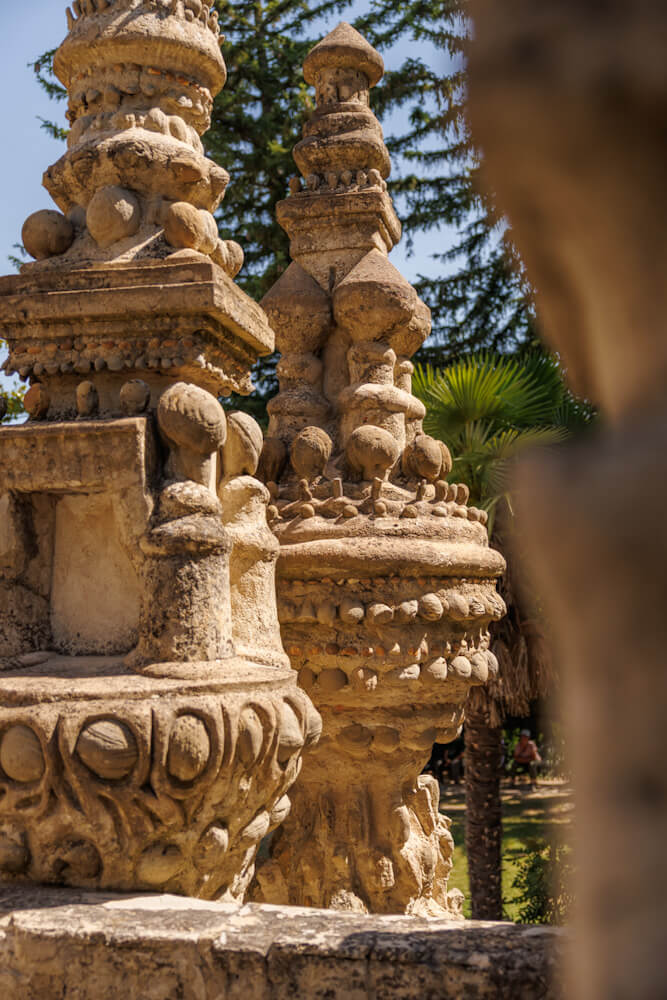
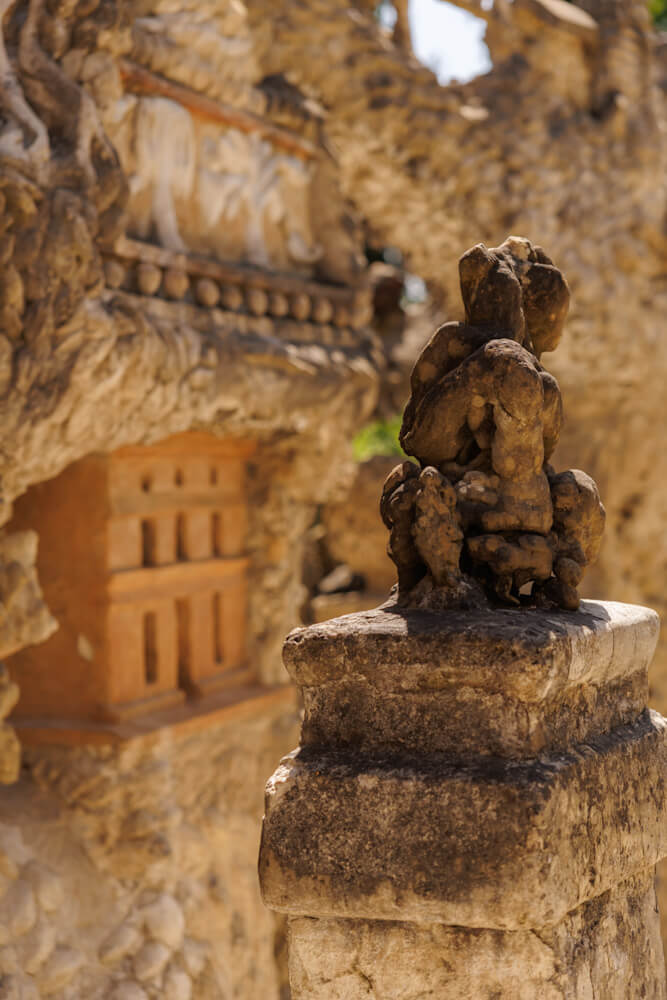
Although Ferdinand Cheval rarely travelled, his palace is filled with influences from far beyond France. While delivering the mail, his imagination was often sparked by illustrated magazines and postcards that passed through his hands. As a result, the palace brings together architectural styles from many different cultures, ranging from Hindu temples and Egyptian motifs to medieval castles and a traditional Swiss chalet. Animals are woven throughout the structure as well. The more closely you look, the more remarkable details you begin to notice.
First ridiculed, later world famous
Not everyone understood what Cheval was trying to achieve. Many people in the village considered his project unusual and some even thought he had lost his mind. Cheval paid little attention to their opinions and simply kept building. It was only years later that artists and cultural figures began to recognise the originality of his work. In 1969, Le Palais Idéal was officially listed as a historic monument. Today, it is one of the best known landmarks in the Drôme Provençale, drawing visitors from around the world to the small village of Hauterives.
The final resting place of Ferdinand Cheval
Ferdinand Cheval had hoped to be buried alongside his wife inside his palace, but the French authorities refused permission as burials there were not allowed under the law. Rather than giving up on the idea, Cheval began a new project. At the age of 76, he started building his own mausoleum in the cemetery of Hauterives.
Between 1914 and 1922, he created the Tombeau du Silence et du Repos Sans Fin, or Tomb of Silence and Endless Rest, entirely by himself. Like Le Palais Idéal, the monument is richly decorated with stones, shells and countless intricate details. Two years after completing it, Ferdinand Cheval died at the age of 88. He was laid to rest in his own creation in the cemetery of Hauterives, just a few minutes from Le Palais Idéal.
Visiting Le Palais Idéal
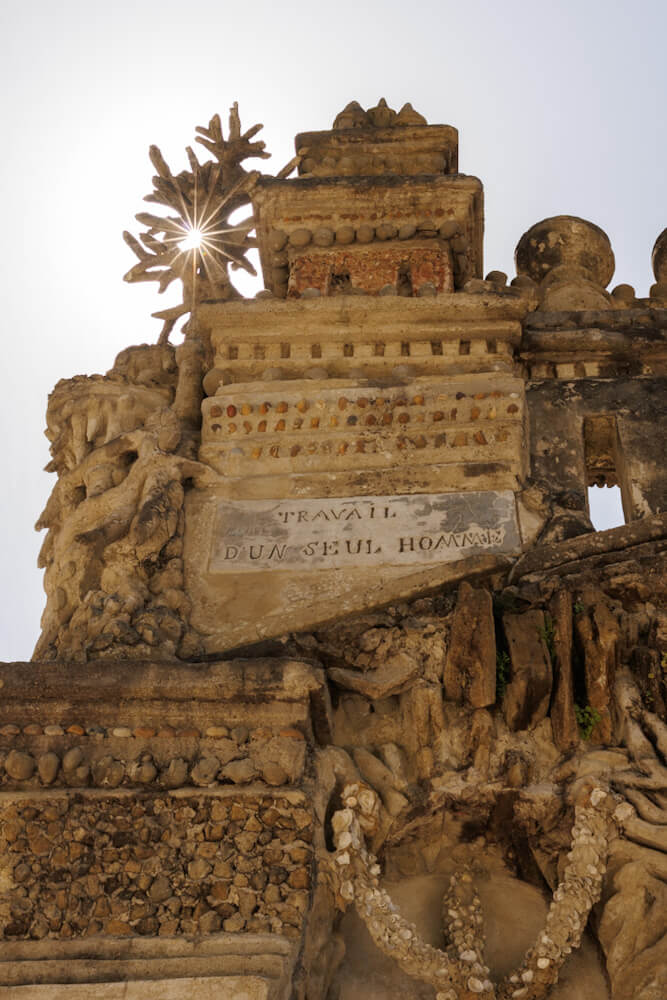
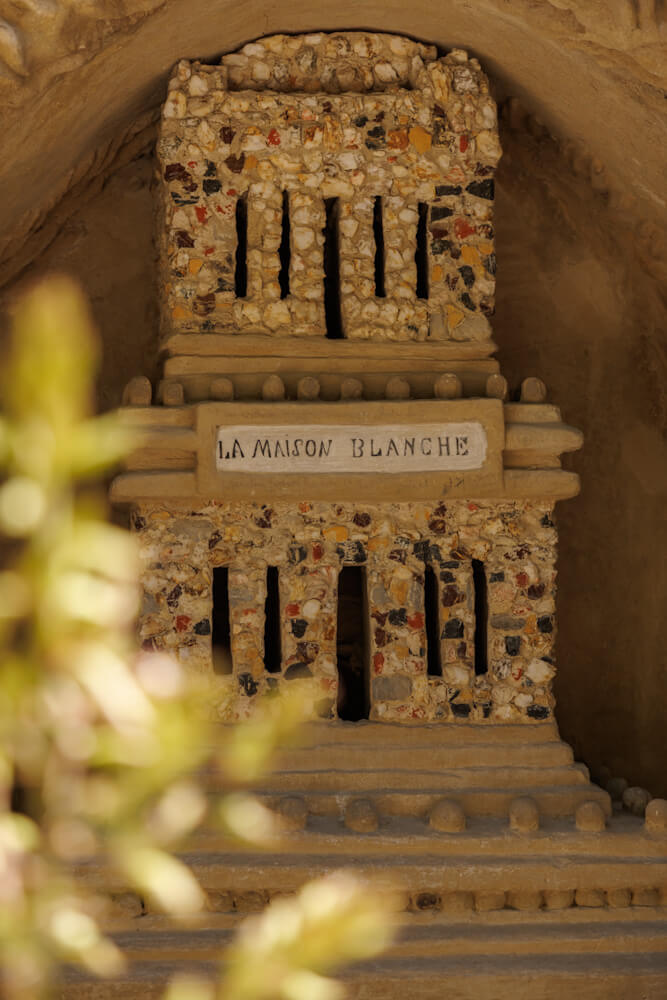
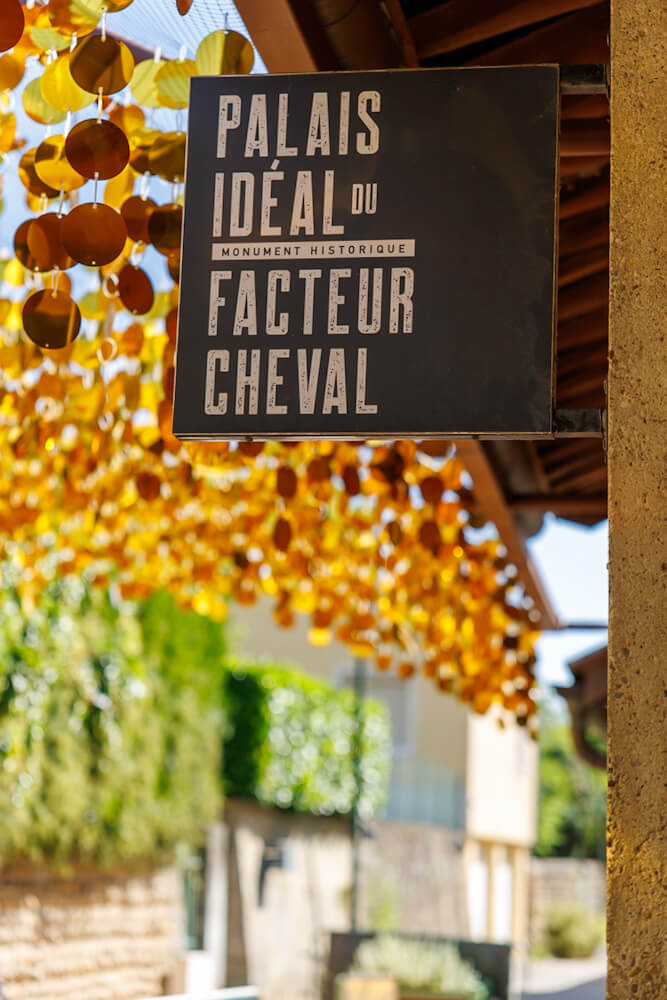
Although Le Palais Idéal is not particularly large, it is easy to spend an hour to an hour and a half exploring the site. The palace is filled with so many intricate details that you will keep discovering something new as you wander around. Take your time, look closely and step back every now and then. From a distance, the striking towers and unusual shapes come into view, while up close you begin to notice the countless sculptures, animals and inscriptions woven into the stonework.
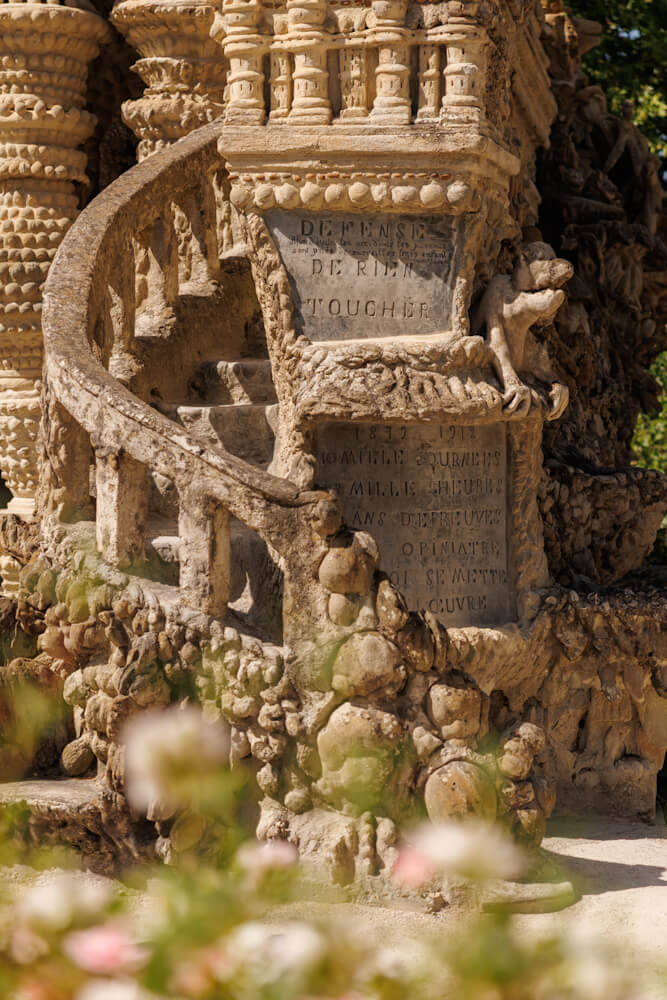
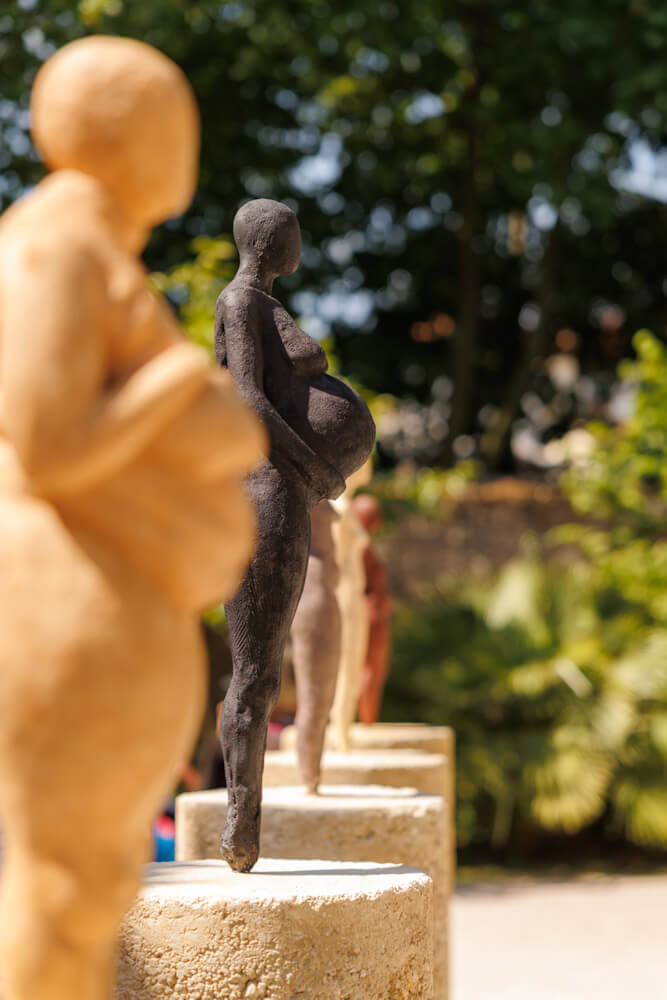
Alongside the palace itself, the site regularly hosts temporary exhibitions by contemporary artists. During my visit, bronze sculptures depicting different female forms from Prune Nourry‘s exhibition Défense de rien toucher were displayed throughout the grounds. Inside, there was also a temporary exhibition as well as a permanent display about the life of Ferdinand Cheval and the construction of his palace. Do keep in mind that most of the information is presented in French.
Staying nearby
During my stay in the Drôme Provençale, I based myself at Le Clair de la Plume in Grignan, around a 45 minute drive from Le Palais Idéal. Spread across several historic buildings in the heart of the village, this charming hotel makes an excellent base for exploring the region.


More to see in the Drôme Provençale
A visit to Le Palais Idéal is easy to combine with some of the other highlights of the Drôme Provençale. Wander through the historic village of Grignan with its impressive château, browse the lively market in Nyons or discover characterful villages such as Mirmande and La Garde Adhémar. Along the way, the roads wind past lavender fields, vineyards, olive groves and sunflower fields, making the journey every bit as rewarding as the destinations themselves.

